Advances in Fruit Culture: Comprehensive Care and Sustainability of Fruit Trees
Agronomic practices and innovations for fruit tree selection, nutrition, pruning, and health, ensuring vitality and harvests in diverse environments.
Variety Selection and Soil Preparation: Critical Factors for Fruiting
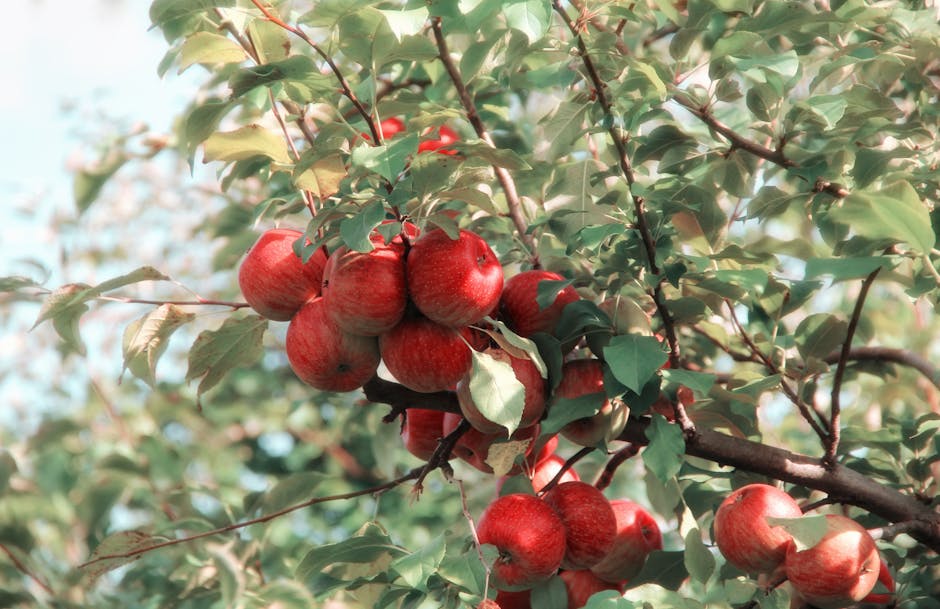
Producing fresh fruit at home or in the orchard is a tangible reward for labor and connection with nature, offering superior quality products and unique satisfaction. However, achieving abundant harvests and maintaining healthy trees over time requires a deep understanding of their specific needs and the application of appropriate agronomic techniques. This article explores essential practices and recent innovations in fruit tree care, from the initial selection of species and varieties to phytosanitary protection and water management, ensuring their long-term vitality and productivity in diverse environments, from urban gardens to larger fields.
Variety Selection and Soil Preparation: Critical Factors for Fruiting
The success of a fruit tree begins long before planting. Choosing the right variety is a fundamental step, which must consider local climatic factors. In regions like Argentina’s Humid Pampa, it is crucial to evaluate the chilling hours required for fruiting in temperate species, such as peaches (Prunus persica), apples (Malus domestica), or cherries. The variety’s compatibility with the site’s microclimatic conditions and its resistance to endemic diseases are determining aspects. Furthermore, soil preparation is vital: a detailed soil analysis helps identify nutritional deficiencies, pH imbalances, or structural problems. Amending the soil with abundant organic matter, such as mature compost, improves its structure, optimizes drainage, and enhances water retention capacity, creating an optimal root environment for tree establishment. Current trends in fruit culture emphasize the use of grafted varieties on specific rootstocks that confer resistance to soil-borne diseases, drought tolerance, or adaptability to marginal soils, representing a significant advancement in the resilience and sustainability of modern fruit crops. [Link: https://www.inta.gob.ar/areas/region-pampeana/estacion-experimental-agropecuaria-balcarce/fruticultura-2]
Nutrition Strategies and Regenerative Soil Management
Adequate nutrition is a fundamental pillar for vigorous development and optimal fruit production. Fruit trees require a precise balance of macronutrients (nitrogen, phosphorus, potassium) and micronutrients (iron, zinc, boron, manganese) throughout their different phenological stages. Fertilizer application must be specific, based on soil analysis results and the particular needs of the species and growth stage. Regenerative agriculture practices are gaining traction, actively promoting soil health through the constant addition of organic matter. The use of high-quality compost and vermicompost not only enriches the soil microbiota but also improves nutrient availability for the roots and strengthens the tree’s natural resistance to pathogens. Mulching with organic materials such as wood chips, straw, or pruning residues is an effective technique that suppresses weeds, moderates soil temperature, reduces evaporation, and contributes to gradual humus formation. This practice, aligned with permaculture principles, fosters a more efficient nutrient cycle, improves soil structure, and significantly reduces erosion, creating a more resilient and productive root ecosystem. [Link: https://www.infojardin.com/foro/threads/el-mulching-o-acolchado.300624/]
Pruning Principles and Fruit Tree Architectural Shaping
Pruning is a crucial technical intervention that directly influences the health, shape, and productivity of fruit trees. Its primary goal is to optimize sunlight penetration into the canopy and ensure adequate air circulation, essential aspects for uniform fruit ripening, reduction of fungal diseases, and pest prevention. Several types of pruning are distinguished: training pruning, performed in the early years to establish a strong, balanced structure that can support fruit weight; maintenance pruning, which annually removes dead, diseased, damaged, or crossing branches that compete with each other; and fruiting pruning, specifically designed to stimulate flower bud production and ensure a quality harvest. The timing of pruning varies considerably depending on the fruit species and local climate, generally being in winter for deciduous trees and after harvest for some evergreens. Recent advances include precision pruning, which uses criteria of efficiency and understanding of tree physiology to maximize production without compromising the fruit tree’s longevity and vigor. In urban environments or with limited space, techniques like espalier or cordon pruning allow fruit trees to be grown against walls or structures, optimizing solar exposure and accessibility for management. [Link: https://lahuertinadetoni.es/como-podar-frutales-de-hueso/]
Integrated Pest Management and Water Optimization
Phytosanitary protection of fruit trees greatly benefits from Integrated Pest Management (IPM), a holistic approach that seeks to minimize the use of chemical products and promote ecological solutions. IPM combines constant monitoring of pests and diseases, the use of biological controls (such as introducing beneficial insects or encouraging natural predators), pheromone traps, and cultural practices (like crop rotation, area cleanup, and choosing resistant varieties) to keep pest populations below the economic damage threshold. For example, controlling fruit flies (Ceratitis capitata) using specific traps is a widespread and effective practice in the region. Regarding irrigation, water efficiency is an unavoidable priority given climate change and resource scarcity. Drip or micro-sprinkler irrigation systems are highly efficient, delivering water directly to the root zone, drastically reducing losses from evaporation and runoff. The implementation of cutting-edge technologies, such as soil moisture sensors and climatic monitoring platforms, allows for ultra-precise irrigation scheduling, adapted to the tree’s actual needs and environmental conditions. This technological innovation is fundamental for the sustainability of modern fruit culture, ensuring responsible water use and optimizing fruit tree growth. [Link: https://www.fao.org/land-water/water/irrigation-technologies/es/]
Integrated Pest Management and Water Optimization
Comprehensive care for fruit trees is a dynamic and enriching process that combines established agronomic principles with the proactive adoption of innovations. From strategic selection of resistant varieties and promotion of soil health through regenerative practices, to strategic pruning for production optimization and implementation of smart irrigation systems, each action significantly contributes to the longevity and productivity of these valuable crops. A constant commitment to these practices not only ensures harvests of exceptional quality fruit but also fosters a more robust, balanced, and sustainable orchard ecosystem, contributing to food security and environmental well-being.
Related Articles

Home Garden: Nutrition, Wellbeing, and Environmental Sustainability
Understand the nutritional, psychological, and ecological benefits of establishing a home garden for a healthier, more sustainable life.

Optimizing Horticultural Crops Through Greenhouse Design and Climate Control
Implementing greenhouses for season extension, environmental control, cultivar selection, and crop protection in modern horticulture.

Harvest Health: Unlock the Secrets of Your Thriving Home Organic Garden
Learn how to cultivate a flourishing organic garden at home, embracing sustainable practices for fresh, healthy produce and a greener lifestyle.
Maximize Harvests, Minimize Water: Drip Irrigation Setup for Every Gardener
Understand the transformative power of drip irrigation to conserve water, boost plant health, and simplify your gardening. Learn its benefits and how to install it for a vibrant garden.