Crop Rotation: Biological Foundation for Resilient Soils and Sustainable Agricultural Productivity
Analysis of crop rotation's impact on soil biology, nutrient cycling, and sequence design for regenerative agriculture.
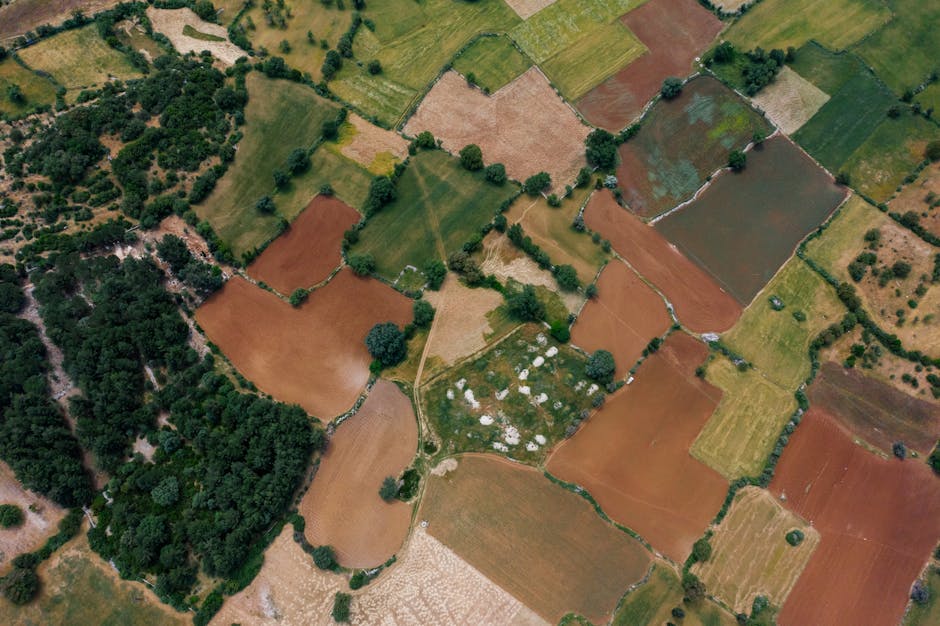
Analyzing Soil Biology and Nutrient Cycles in Crop Rotation
The productivity of any garden or agricultural field intrinsically depends on the health of its soil. Maintaining fertile and balanced soil is a constant challenge for horticulturists and producers. Among the oldest and most effective agronomic practices, crop rotation emerges as a fundamental strategy for preserving and enhancing this vital resource. This method, which alternates different types of plants in the same plot over time, not only optimizes yield but also lays the groundwork for more resilient and sustainable agriculture, adapting to current climatic challenges and promoting biodiversity in our productive ecosystems.
Soil Biology and Nutrient Cycles Analysis
Crop rotation is a key tool in soil management, directly impacting the soil’s microbial composition and activity. By alternating species with different root systems, a more porous and stable soil structure is fostered, significantly improving aeration and water retention capacity. Legumes, for example, form symbiosis with bacteria that fix atmospheric nitrogen (genus Rhizobium), naturally enriching the soil with this essential macronutrient in bioavailable forms for subsequent crops. This contribution reduces reliance on synthetic fertilizers, a fundamental pillar of regenerative agriculture that seeks to minimize the ecological footprint and promote natural nutrient cycles.
Furthermore, disrupting monoculture helps break the life cycles of specific soil pathogens and pests, such as certain nematodes or fungal diseases that can accumulate over time, reducing their prevalence and the need for phytosanitary treatments. Deep-rooted crops can extract nutrients, like phosphorus or potassium, from inaccessible subsurface layers, making them available at the surface for subsequent shallower-rooted crops, thus optimizing soil resource utilization. Recent studies in Argentina, such as those conducted by INTA in the Pampas region, demonstrate how implementing diversified crop sequences contributes to greater organic matter accumulation and improved biological activity, crucial for soil resilience against extreme weather events like droughts or intense rains.
Designing Crop Sequences: Principles and Practical Applications
Strategic planning of crop rotation involves classifying plants not only by their botanical families but also by their specific nutritional requirements, growth patterns, and susceptibility to common pests and diseases. A common scheme groups crops into families such as Solanaceae (tomato, potato, pepper), Brassicaceae (cabbage, broccoli, radish), Fabaceae or legumes (pea, bean, lentil), and grasses (corn, wheat, oats). The key is to avoid planting the same family in the same plot for at least three consecutive seasons, ideally extending this period to allow for complete soil recovery and pathogen suppression.
An effective sequence might begin with a nitrogen-demanding crop, followed by a legume that provides it, then a leafy or root crop that utilizes residual nutrients and improves soil structure, and finally a cover crop or green manure to replenish organic matter and protect the soil. For example, a plot could host:
- Year 1: Solanaceae (Tomato) - High nutritional requirement and potential for specific diseases.
- Year 2: Legumes (Peas or Fava Beans) - Nitrogen fixation and structural improvement.
- Year 3: Grasses (Corn or Cucurbits (Squash)) - Utilize fixed nitrogen and control weeds.
- Year 4: Brassicaceae (Cabbage or Cauliflower) - Helps break previous pest cycles and has different requirements.
For urban or smaller-scale gardens, rotation can be more intensive, even within the same season, by alternating short-cycle crops. The inclusion of cover crops like vetch, clover, or oats, especially during fallow periods or between main crops, is an increasingly adopted practice in the region to protect soil from erosion, suppress weeds, and provide biomass and nutrients. This practice aligns directly with permaculture principles, which promote the integration of elements to create resilient and self-sufficient productive ecosystems.
Technological Advancements and Agroecological Models in Crop Rotation
Modern understanding of crop rotation transcends simple species alternation, delving into a more complex view of soil-plant interactions. Current research focuses on optimizing root systems and their interaction with the soil microbiome, recognizing the crucial role of microorganisms in soil health and fertility. New crop varieties are being developed with greater capacity for nematode control, weed suppression, or efficient extraction of less available nutrients, allowing for more complex and efficient rotations tailored to specific conditions.
The integration of digital technologies, such as soil moisture, temperature, and nutrient sensors, along with geospatial data analysis platforms and predictive models, enables producers to make more informed and precise decisions about which crops to rotate, when, and in what order. This is particularly relevant in the context of climate change, where adaptability, water use efficiency, and the resilience of agricultural systems are paramount. Models based on historical data and climate projections help design rotations that minimize risks of pests and diseases, maximize productivity, and optimize soil carbon sequestration under variable environmental conditions.
Agroecology, as a discipline, elevates crop rotation to a central component of holistic production systems. By combining it with practices such as polyculture, mulching with organic residues, and the incorporation of biological corridors or floral borders, the functional biodiversity of the agroecosystem is enhanced, attracting pollinators and natural pest predators. This integrated vision not only improves soil fertility and health through natural processes but also actively contributes to climate change mitigation by increasing soil carbon capture and storage, a key objective of regenerative agriculture globally and a pillar for agricultural sustainability in Latin America.
Crop rotation, more than a simple technique, is a management philosophy that recognizes the interdependence between soil, plants, and the environment. Its conscious implementation, adapted to the specificities of each productive ecosystem, is indispensable for building stronger, more productive agricultural systems that respect the environment. Adopting this practice means investing in the long-term health of our land, ensuring abundant harvests and contributing to the food security of future generations.
Related Articles

Permaculture in Home Gardens: Efficiency, Biodiversity, and Local Resilience
Zone design, water management, living soil, and polycultures for sustainable, productive gardens adapted to the Southern Cone.
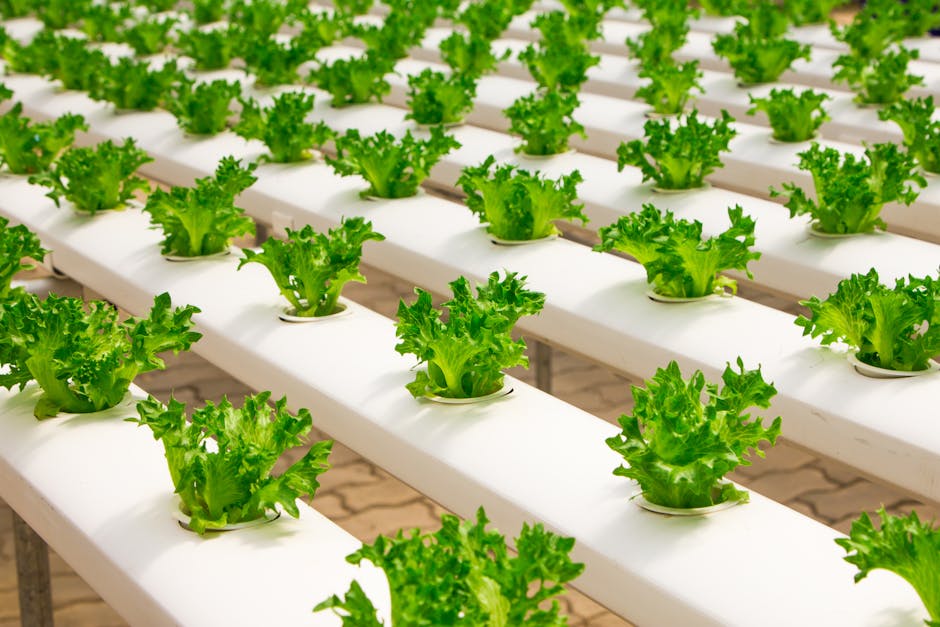
Continuous Lettuce Cultivation: Genetic Selection and Seasonal Environmental Optimization
Staggered planting techniques, substrates, and climate control for consistent year-round lettuce production.

Argentine Planting Calendar: Climate Adaptation and Vegetable Cycles
Enhance your Argentine garden with a planting calendar adapted to the country's climate diversity and natural cycles.

Permaculture & Perennials: Design, Management, Diversity for Sustainable Food
Implementing permaculture systems with perennial edible plants: design principles, crop management, regional diversity, and biological control.