Continuous Lettuce Production: Cultivar Selection, Staggered Sowing, and Environmental Optimization
Strategies for year-round fresh lettuce: cultivars, successive planting, thermal control, and nutrition for productive gardens.
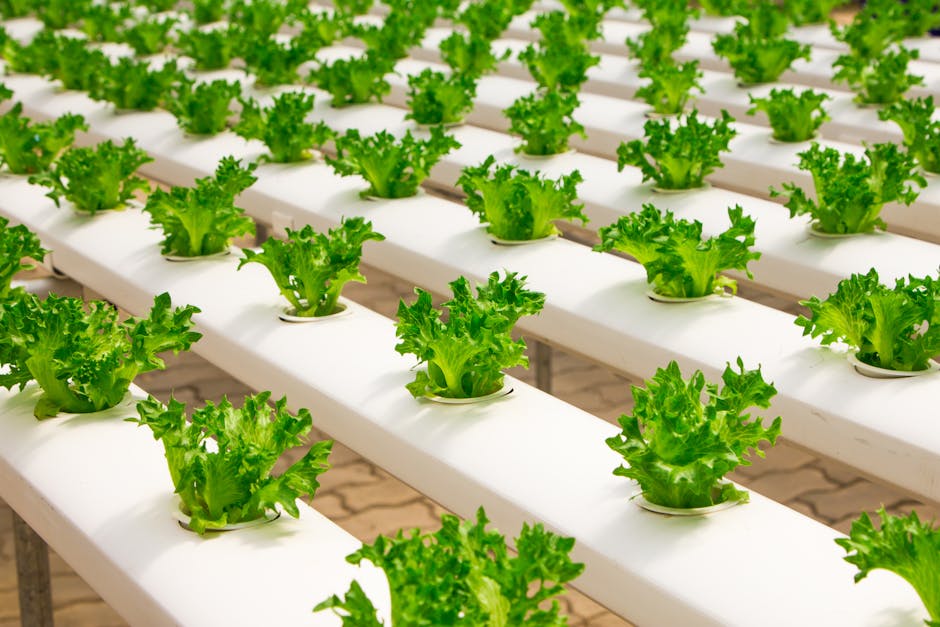
Strategic Cultivar Selection and Cycle Management of Lactuca Sativa
Continuous lettuce production (Lactuca sativa) is a fundamental goal for home and urban horticulturists aiming to ensure a steady supply of fresh vegetables. Contrary to the common belief that lettuce is a seasonal crop, implementing appropriate strategies allows its growth cycle to be extended throughout the year, even in regions with significant climatic variations. This approach not only enhances food self-sufficiency but also contributes to household sustainability by reducing reliance on supermarket products and the environmental impact associated with transportation. We will explore the methodologies and technologies that facilitate the adaptation of this crop to diverse conditions, promoting a productive garden in any season.
Cultivar Selection and Cycle Management
Genetic Diversity of Lactuca Sativa for Seasonal Adaptation
Analysis of lettuce cultivars: strategic selection for continuous productivity and climate adaptation.
The selection of Lactuca sativa varieties is crucial for sustaining year-round production. Horticulturists must consider cold and heat resistance, as well as tolerance to premature bolting. Loose-leaf and romaine varieties are generally more suitable for cooler months, while batavia or iceberg types, with their greater resistance to heat-induced flowering, are preferable in summer. Recent studies and breeding programs, such as those conducted by INTA in Argentina (reference: https://inta.gob.ar/), aim to develop genotypes with greater phenotypic plasticity, capable of adapting to a wider range of environmental conditions and possessing inherent resistance to common pathogens. This innovation allows growers to select more robust and productive options.
Staggered Sowing Strategies for Continuous Production
Implementation of staggered sowing: ensures a constant supply of fresh lettuce with efficient practices.
Staggered sowing is the cornerstone of year-round lettuce production. It involves performing small sowings or transplants every 15 to 20 days, depending on the growth rate of the chosen variety and environmental conditions. This prevents the entire harvest from maturing simultaneously, guaranteeing a steady flow of fresh leaves. To optimize this process, germination trays can be used in controlled environments, such as small greenhouses or even indoors with supplemental lighting, before transplanting seedlings outdoors. Sowing density should be adjusted to avoid resource competition, generally maintaining a distance of 20-30 cm between plants, which allows for optimal leaf development.
Optimization of Environmental and Nutritional Conditions for Continuous Cultivation
Optimization of Environmental and Nutritional Conditions
Thermal and Light Regulation in Cultivation Systems
Environmental optimization for lettuce: temperature and light control techniques ensuring vigorous growth.
Lettuce thrives in daytime temperatures between 15°C and 20°C and nighttime temperatures between 7°C and 12°C. In winter, the use of micro-tunnels, floating row covers, or small greenhouses can protect plants from frost and extreme low temperatures, extending the growing season. During summer, shade cloth reduces light intensity and elevated temperatures, preventing bolting and leaf scorch. Lettuce requires at least 6 hours of direct sunlight per day. During periods of lower luminosity, such as winter, supplementation with full-spectrum LED lights can be beneficial, especially in indoor cultivation or hydroponic systems. The integration of temperature and humidity sensors, along with automated irrigation systems, represents a significant advancement in urban and small-scale agriculture, allowing for more precise and efficient resource management.
Substrate Composition and Structure for Lactuca Sativa
Analysis of substrate composition: key factors for rooting and nutrient absorption in lettuce.
The ideal substrate for lettuce should be well-drained, rich in organic matter, and have a slightly acidic to neutral pH (6.0-7.0). Incorporating mature compost (reference: https://www.lahuertinadetoni.es/como-hacer-compost-casero/) or worm castings improves soil structure, water retention capacity, and nutrient availability. In soilless cultivation systems, such as hydroponics, specific nutrient solutions are used that provide all essential macronutrients (nitrogen, phosphorus, potassium) and micronutrients for leaf development. Fertilization must be balanced; excess nitrogen can soften leaves and make them more susceptible to diseases, while a deficiency limits growth. Periodic monitoring of the substrate’s or nutrient solution’s pH and electrical conductivity is fundamental for adjusting inputs and ensuring optimal nutrition.
Phytosanitary Management and Sustainable Harvesting
Preventive Phytosanitary Management and Sustainable Harvesting Techniques
Preventive Phytosanitary Management in Horticulture
Biological pest control in lettuce: preventive strategies that maintain crop health without chemicals.
Prevention is the most effective strategy against pests and diseases. Crop rotation, even within the same garden space, helps disrupt the life cycles of soil-borne pathogens and specific pests. The use of insect-proof netting can protect young plants from aphids and leaf miners. Introducing natural enemies, such as ladybugs for aphid control, is a common practice in integrated pest management. Regular plant inspection allows for early detection of problems, facilitating timely interventions with organic solutions like potassium soap or neem extracts. Choosing varieties resistant to common diseases, such as downy mildew or rot, also reduces the need for treatments.
Sustainable Harvesting Methods to Maximize Production
Lettuce harvesting techniques: maximize yield and prolong the life of each plant.
There are two main harvesting methods: harvesting the entire plant or the “cut-and-come-again” method. The latter is ideal for continuous production, as it allows for the outer leaves of the lettuce to be cut, leaving the central core intact for the plant to continue producing. This technique is particularly effective with loose-leaf varieties. Harvesting should preferably be done in the morning when the leaves are most turgid and crisp. Proper harvesting not only extends the productive life of the individual plant but also contributes to the overall sustainability of the cultivation system by optimizing the use of each planted resource.
Conclusion
Year-round lettuce cultivation is an achievable goal through the application of appropriate agronomic techniques and the incorporation of innovations. From the strategic selection of varieties adapted to different climatic conditions to the implementation of staggered sowing and integrated pest management, each step contributes to a more resilient and productive garden. The integration of technologies such as environmental monitoring and hydroponic systems offers new opportunities for further optimizing production. By adopting these practices, horticulturists not only ensure a constant supply of fresh lettuce but also actively participate in a more sustainable and efficient agricultural model, contributing to food security at the domestic and community levels.
Related Articles

Physiology and Practice of Annual Pruning for Vigorous Roses and Lush Blooms
Article details rose pruning's physiological basis, optimal timing across climates, techniques, and sustainable benefits for plant health and bloom.

Sweet Potato (Ipomoea batatas): Cultivation, Propagation, and Harvest in Home Gardens
Comprehensive guide to growing sweet potatoes: soil prep, propagation, watering, feeding, and harvesting for family gardens.

Balcony Strawberry Cultivation: Techniques for Small Spaces
Learn to grow organic strawberries on your balcony with tips on varieties, soil, watering, and nutrition.

Harvest Health: Unlock the Secrets of Your Thriving Home Organic Garden
Learn how to cultivate a flourishing organic garden at home, embracing sustainable practices for fresh, healthy produce and a greener lifestyle.