Crop Association: Biochemical Interactions and Design for Resilient Gardens
Learn how plant interactions and polyculture design enhance soil health, control pests, and boost horticultural productivity.
Biochemical and Ecological Foundations of Crop Association
The concept of crop association, an ancient agricultural practice, is experiencing a strong resurgence in contemporary horticulture, particularly in urban and peri-urban settings. This strategy, grounded in ecological principles, optimizes plant growth and garden ecosystem health through beneficial interactions between different species. Implementing suitable combinations can improve pest resistance, enhance nutrient uptake, and foster biodiversity, contributing to more resilient and productive cultivation systems. This approach aligns with current trends in regenerative agriculture and permaculture, seeking to emulate natural patterns to create self-sufficient and efficient ecosystems.
Biochemical Foundations of Plant Interaction
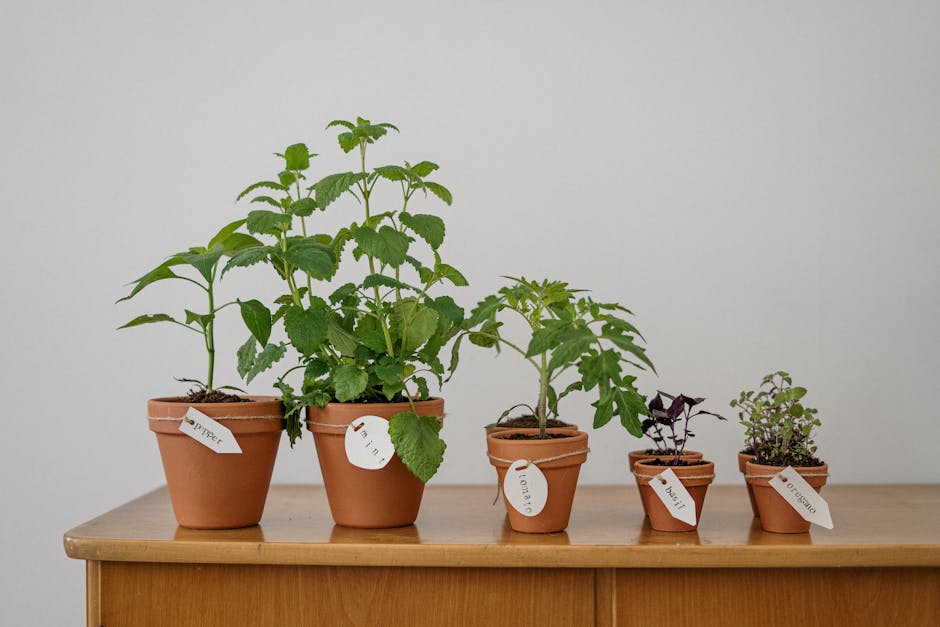
Crop association is not merely a random arrangement of plants; it is based on complex biochemical and ecological interactions. One key mechanism is allelopathy, where a plant releases chemical compounds that can benefit or inhibit the growth of another. For example, certain aromatic plants like marigolds (Calendula officinalis) can deter soil nematodes, while basil (Ocimum basilicum) repels whiteflies, protecting nearby tomatoes. Another fundamental pillar is symbiosis, particularly the fixation of atmospheric nitrogen by Rhizobium bacteria in the roots of legumes, enriching the soil for adjacent crops.
Plant diversity in the same space also promotes natural biological pest control. By attracting beneficial insects, such as ladybugs that feed on aphids, or parasitoids that attack harmful larvae, the need for chemical interventions is reduced. Furthermore, ground cover provided by companion plants can suppress weed growth, conserve moisture, and regulate substrate temperature, creating an optimal microclimate for root development. Recent studies from the National University of La Plata [https://www.agro.unlp.edu.ar/], for instance, investigate the effectiveness of these interactions in local horticultural crops, adapting global knowledge to the region’s edaphoclimatic conditions.
Strategic Polyculture Design for Optimizing Space and Resources
Polyculture Design to Maximize Productivity
Effective polyculture design requires an understanding of each species’ specific needs and how they complement each other. A common strategy involves combining plants with different root structures and growth habits. For example, the Mesoamerican “milpa,” which associates corn, beans, and squash, is a classic model. Corn provides support for climbing beans, which in turn fix nitrogen in the soil, while squash covers the ground, reducing weeds and conserving moisture.
For urban gardens or balconies, these principles can be replicated on a smaller scale. Combining broad-leaf lettuces with short-rooted radishes optimizes the use of space and surface nutrients. Carrots and rosemary are another compatible pair; rosemary helps deter the carrot fly (Psila rosae). Integrating flowers, such as nasturtiums (Tropaeolum majus) or marigolds, not only adds beauty but also acts as “trap crops” for aphids or attracts essential pollinators for fruiting, a growing trend in sustainable urban agriculture. The Infojardín platform [https://www.infojardin.com/] offers a vast repertoire of these combinations, constantly updating its recommendations based on global gardener experience.
Advanced Techniques and Climate Adaptation in Associations
Research in crop association is evolving to address contemporary challenges such as climate change and food security. An emerging technique is the use of multispecies cover crops that not only protect the soil but also contribute to system resilience. These mixes, often composed of grasses, legumes, and crucifers, improve soil structure, increase organic matter, and diversify the microbiota, which is crucial for adapting to droughts or heavy rainfall.
Innovations in Plant Associations for Climate Adaptation
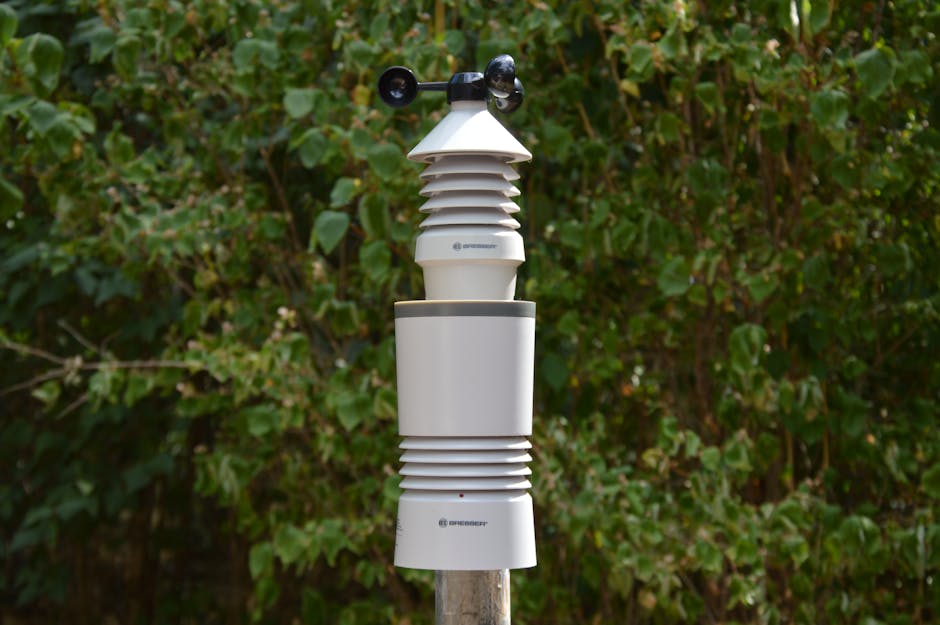
Furthermore, new plant varieties with improved characteristics for association are being developed, such as partial shade tolerance or the ability to release specific allelopathic compounds more efficiently. The implementation of intelligent monitoring systems, like soil moisture and temperature sensors connected to mobile applications, allows gardeners to optimize spacing and crop selection based on real-time data, maximizing the benefits of association. This represents a significant advancement over traditional methods, enabling more precise and adaptive management.
Sustainable Implementation and Management of Polycultures
The key to success in crop association lies in careful planning and constant observation. Before planting, it is essential to analyze soil type, sun exposure, and the life cycle of each plant. Crop rotation, even within an association system, remains vital for preventing the accumulation of pathogens and depletion of specific nutrients. For example, alternating plant families each season or growing cycle helps maintain overall soil health.
Integrating permaculture principles, such as layered design (canopy, understory, herbaceous layer, rhizosphere), can further enrich associations, creating multi-dimensional productive ecosystems. The experience of community gardens in Buenos Aires and other cities in the region demonstrates how these practices not only improve productivity but also strengthen social cohesion and environmental education. La Huertina de Toni [https://lahuertinadetoni.es/] offers numerous tutorials and practical examples for beginners and advanced gardeners, facilitating the implementation of these techniques at any scale.
Sustainable Management and Design Principles in Polycultures
Crop association represents a powerful and sustainable strategy for any gardener, from beginner to experienced. By understanding and applying the principles of plant interactions, it is possible to create healthier, more productive, and environmentally resilient gardens. This practice not only reduces reliance on external inputs but also fosters biodiversity and promotes a more holistic and respectful approach to the natural environment. Experimenting with different combinations and observing the results in one’s own growing space is the most effective way to master this age-old technique, adapting it to the specificities of each local ecosystem.
Related Articles

Companion Planting: Plant Synergy for a Productive and Resilient Garden
Learn how companion planting optimizes space, improves soil health, and naturally protects plants from pests.
Padrón Pepper Adaptation & Agronomy in New Climates
Explore climatic, soil requirements, and cultivation techniques for Padrón peppers, optimizing production and quality with sustainable methods.

Design and Maintenance of Home Medicinal Gardens: Sustainability and Well-being
Implementing medicinal herb gardens: planning, substrate, sustainable cultivation, phytosanitary management, and active principle conservation.
Personal Weather Stations: Key Tools for Precision Gardening
Optimizing water and plant protection resources with accurate local climate data for efficient and sustainable horticulture.