Home Tomato Cultivation: Variety Selection, Substrate, and Integrated Management
Enhance home tomato production with variety selection, substrate preparation, and irrigation, pruning, and plant health techniques.
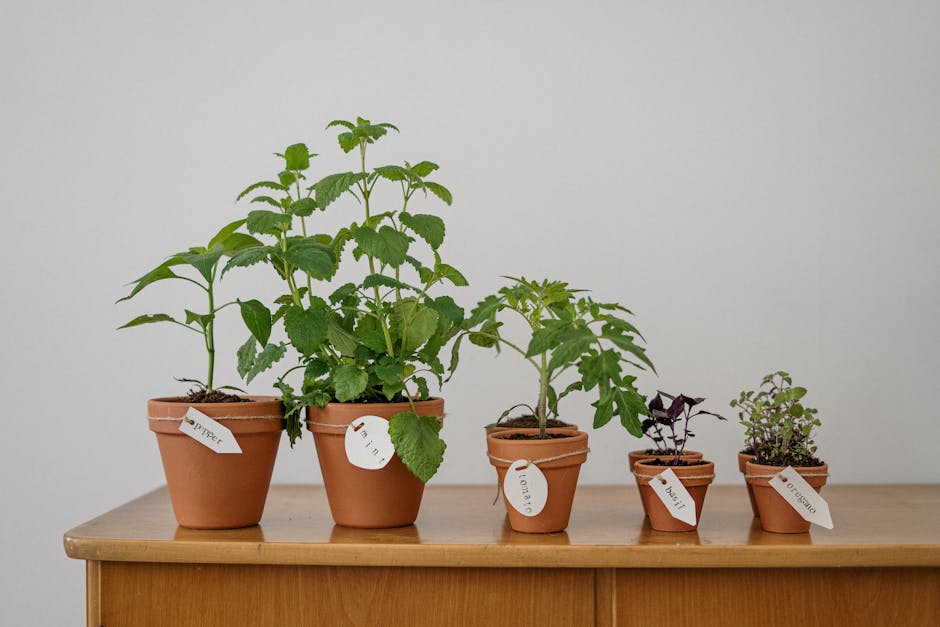
Variety Selection and Substrate Preparation for Solanum lycopersicum
Growing tomatoes at home offers the satisfaction of harvesting fresh, nutritious fruits directly from your garden. This process, which combines patience and technique, allows gardeners of all levels to actively participate in producing quality food. In a global context where sustainability and conscious consumption are gaining relevance, domestic horticulture positions itself as a valuable practice. Proper variety selection, soil preparation, and integrated management are fundamental pillars for achieving an abundant and healthy harvest, even adapted to current climatic challenges.
Variety Selection and Substrate Preparation
The choice of tomato variety (Solanum lycopersicum) is a crucial initial step for successful cultivation. There are determinate varieties, which grow to a specific size and produce fruits within a concentrated period, ideal for small spaces or for those seeking a single harvest. Indeterminate varieties, on the other hand, continue to grow and produce throughout the season, requiring more staking. Recent research highlights the importance of opting for varieties adapted to local climatic conditions and those with genetic resistance to common diseases like early blight or Fusarium wilt, a key trend in resilient agriculture. Platforms such as INTA (National Institute of Agricultural Technology) in Argentina (inta.gob.ar) offer resources on recommended varieties for each region.
Substrate preparation is equally vital. Tomatoes thrive in well-drained soils, rich in organic matter, and with a slightly acidic to neutral pH (between 6.0 and 7.0). An ideal mix includes mature compost, worm castings, and perlite or vermiculite to improve aeration and moisture retention. Soil analysis, an increasingly accessible practice for home gardeners, allows for precise adjustment of necessary amendments. Incorporating organic fertilizers at the beginning of the growing cycle ensures a solid nutritional base for seedling development.
Agronomic Management: Efficient Irrigation, Pruning, and Structural Support
Crop Management: Irrigation, Pruning, and Staking
Efficient irrigation is essential for optimal tomato development and water sustainability. Implementing drip or soaker hose irrigation systems minimizes water waste and ensures constant, deep hydration, crucial for preventing water stress and problems like blossom end rot. Applying mulch with organic materials such as straw or wood chips helps conserve soil moisture, suppress weeds, and regulate temperature, aligning with the principles of regenerative agriculture. Low-cost moisture sensors, a growing innovation, allow for optimized irrigation cycles with precise data.
Pruning is a key technique to direct the plant’s energy towards fruit production. Removing suckers (axillary shoots) promotes stronger growth of the main stem and better air circulation, reducing the incidence of fungal diseases. Staking, using stakes, trellises, or cages, provides support to the plants as they grow and bear fruit, preventing contact with the soil and facilitating harvest. For more details on staking techniques, you can consult Infojardín (infojardin.com). Plant nutrition must be monitored; during the flowering and fruiting phase, the demand for potassium and phosphorus increases, and the application of liquid organic fertilizers, such as seaweed extract or compost tea, can supplement requirements.
Plant Health Strategies and Optimal Harvest
Plant Health Strategies and Tomato Harvest Optimization
Proactive management of pests and diseases is fundamental in tomato cultivation. Implementing Integrated Pest Management (IPM) prioritizes preventive and biological methods over chemical ones. This includes crop rotation to break pathogen cycles, companion planting (with herbs like basil or marigolds, which repel certain insects), and the introduction of beneficial insects. Constant monitoring of plants allows for early identification of problems, such as aphids, whiteflies, or downy mildew, and the application of organic treatments like potassium soap or neem extracts. New research in plant biotechnology is developing tomato varieties with greater intrinsic resistance to pathogens, a significant advancement for crop resilience. For natural solutions, La Huertina de Toni (lahuertinadetoni.es) offers practical guides.
Tomato harvesting should occur at the optimal stage of ripeness to ensure the best flavor and nutritional value. Fruits should be firm, with a vibrant color characteristic of the variety, and detach easily from the stem. Regular harvesting stimulates the plant to produce more. After harvesting, proper storage is key; tomatoes keep best at room temperature, away from direct sunlight, and should not be refrigerated until consumption to preserve their texture and flavor. Fermenting or canning are effective methods for preserving surpluses, extending the enjoyment of home production.
Growing tomatoes is an enriching experience that connects the gardener with natural cycles and the principles of sustainable production. From seed selection to harvest, each stage offers opportunities to apply precise techniques and observe the development of one of the most appreciated vegetables. By integrating practices such as efficient irrigation, balanced nutrition, and biological pest management, not only is a successful harvest ensured, but a healthier and more productive garden ecosystem is also contributed to. The satisfaction of enjoying a home-grown tomato, with its unparalleled flavor, is the true reward of this effort.
Related Articles
Optimizing Blueberry (*Vaccinium corymbosum*) Container Cultivation: Substrate, Management, and Health
Details acid substrate formulation, quality water irrigation, specific nutrition, and pruning for potted blueberries. Addresses health and pests.

Cut Flower Gardening: Species Selection, Cultivation, and Post-Harvest Management for Gardeners
Enhance cut flower production with species selection, cultivation strategies, and post-harvest techniques for sustainable gardens.

Seed Preservation: Environmental Factors, Storage Protocols, and Technological Advances
Enhance seed viability through moisture, temperature control, and drying techniques. Conserve plant germplasm for agricultural resilience.

Unlock Your Garden's Potential: Master Chemical-Free Pest Control Naturally
Learn effective, eco-friendly strategies for pest control, protecting your garden and the environment without harsh chemicals.