Sustainable Urban Horticulture: Design, Substrate, and Water Management for Food Self-Sufficiency
Enhance your home garden with spatial design, fertile substrates, and efficient water management for resilient local food production.
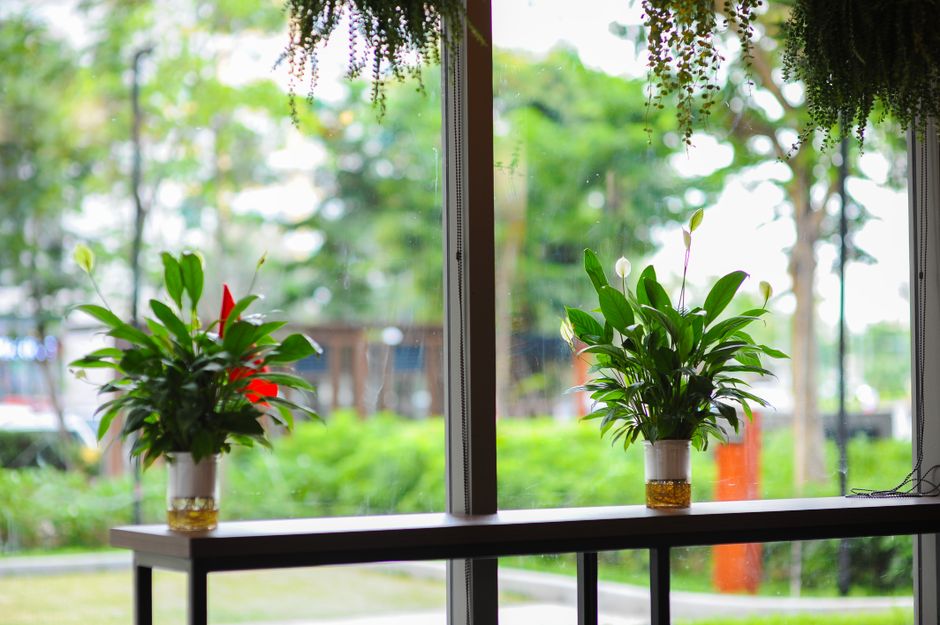
Evaluating Spatial and Edaphoclimatic Factors for Urban Gardens
The interest in self-sufficiency and growing one’s own food is experiencing a significant boom in urban and suburban environments in Argentina and Latin America. Establishing a home garden represents an effective strategy for improving dietary quality, fostering environmental sustainability, and reconnecting with natural cycles. Far from being an exclusive task for experts, this process becomes an accessible and rewarding activity that boosts local biodiversity and promotes more conscious consumption. Implementing sustainable horticultural practices, even in small spaces, directly contributes to community resilience and individual well-being.
Spatial Design and Edaphoclimatic Factors
The initial planning of a home garden requires a rigorous site evaluation. Solar exposure is a critical factor; most horticultural crops demand a minimum of six hours of direct sunlight daily for optimal development. The cardinal orientation of the space, whether a balcony, terrace, or patio, will determine the quantity and quality of insolation. Likewise, protection against prevailing winds is essential, especially in urban areas where gusts can damage young plants or affect pollination.
The analysis of the existing soil type, or the selection of substrate in the case of raised beds or containers, is fundamental. Soil with good structure, adequate drainage, and moisture retention capacity is indispensable. In this regard, incorporating organic matter substantially improves its physical, chemical, and biological properties. For limited spaces, vertical cultivation systems or raised beds offer efficient solutions, maximizing the cultivable area and facilitating management. Integrating permaculture principles, such as zoning and observing natural patterns, optimizes the placement of each element within the garden, from plants to water sources and composting areas. For example, on balconies in cities like Buenos Aires, adapting modular vertical gardens allows for intensive cultivation of aromatic herbs and leafy vegetables in a minimal space, efficiently utilizing available light.
Selecting and Preparing Substrates and Adapted Plant Species
Substrate Components and Plant Species Selection
The quality of the substrate is the cornerstone of a productive garden. A balanced soil should contain an adequate mix of sand, silt, and clay, enriched with abundant organic matter. The ideal pH for most vegetables ranges between 6.0 and 7.0. Domestic composting is an innovative and ecological strategy for generating high-quality natural fertilizer from organic waste. Vermicomposting, using red Californian worms, accelerates this process, producing worm castings, a potent soil enhancer. This approach not only reduces waste but also enriches the soil with beneficial microorganisms and essential nutrients. More information on domestic composting can be found in resources such as those from INTA: Domestic Composting.
The selection of plant species should consider the local climate, seasonality, and personal preferences. Opting for varieties adapted to the region, like those promoted by INTA’s ProHuerta program, increases the chances of success. Cultivating native plants fosters biodiversity and attracts beneficial pollinators. A growing trend is the cultivation of microgreens, small plants harvested in their early developmental stages, which offer a high concentration of nutrients and are ideal for small spaces, given their rapid turnover and ease of management. Furthermore, the search for new varieties resistant to pests and diseases or with greater tolerance to extreme climatic conditions is positioned as an advanced practice in contemporary horticulture.
Optimizing Water Regimes and Biological Control of Phytopathogens
Optimizing Water Use and Biological Control Strategies for Phytopathogens
Efficient water management is paramount in any sustainable horticultural system. Drip irrigation systems represent a robust technology that minimizes water consumption by delivering water directly to the plant’s root zone, reducing evaporation and weed growth. Incorporating soil moisture sensors, connectable to automated systems, allows for precise irrigation control, adjusting frequency and volume according to the specific needs of each crop and environmental conditions. This technology optimizes water resources, a fundamental concern in the current context of climate change.
Mulching, by applying a layer of organic material (straw, dry leaves, pruning waste) on the soil surface, significantly contributes to moisture conservation, moderating soil temperature, and suppressing weeds. For pest and disease control, biological strategies are preferable to chemical methods. The use of companion plants, which repel pests or attract beneficial insects, is an age-old tactic validated by contemporary studies. Identifying and promoting natural enemies of pests, such as ladybugs or lacewings, forms the cornerstone of integrated pest management, a constantly evolving practice that seeks ecological balance in the garden. INTA offers a comprehensive manual on organic gardening that addresses these techniques: Organic Garden Manual.
Crop Cycle, Harvest, and Regeneration of the Ecosystem
Crop rotation is an essential agronomic practice that involves alternating different types of plants in the same plot over time. This technique prevents the depletion of specific soil nutrients, disrupts pest and disease life cycles, and improves soil structure. Careful planning of rotation ensures long-term soil vitality and sustained garden productivity. For example, following a legume crop (nitrogen-fixers) with a leafy or fruiting vegetable is a common strategy.
Sustainable Crop Cycle, Harvest, and Regeneration of the Horticultural Ecosystem
Harvesting practices should be sustainable, collecting produce at its optimal maturity point and in a way that stimulates continuous plant production. For many leafy greens, harvesting outer leaves allows the plant to continue growing. After harvest, soil regeneration is crucial. Sowing green manures (plants grown to be incorporated into the soil as fertilizer) and the constant addition of compost and biomass maintain fertility and microbial activity. This approach aligns with the principles of regenerative agriculture, which seeks not only to produce food but also to restore soil and ecosystem health. The home garden thus becomes a micro-ecosystem that contributes to urban biodiversity, offering shelter and food to pollinators and other beneficial organisms. Current research on the interaction between insect biodiversity and crop productivity underscores the importance of these practices.
Establishing a home garden is a continuous journey of learning and experimentation. From meticulous space planning to implementing innovative and sustainable cultivation techniques, each stage offers an opportunity to observe and understand nature. The connection with the earth, the satisfaction of harvesting one’s own food, and the positive environmental impact are invaluable rewards. Home horticulture, constantly evolving with new technologies and sustainability principles, represents more than a hobby; it is a tangible contribution towards a greener, more self-sufficient future. We invite you to explore INTA’s ProHuerta program for additional resources and support on your path to a successful garden: INTA ProHuerta.
Related Articles

Soil Albedo: Impact on Soil Temperature and Sustainable Horticultural Management
Modifying soil surface reflectivity with mulches and cover crops to optimize thermal balance and water conservation.

Unlock Your Garden's Potential: The Art of Companion Planting for Thriving Harvests
Understand the power of companion planting to enhance plant growth, deter pests, and maximize yields in your garden with proven pairings and expert tips.

Home Organic Garden: Design Principles, Sustainable Management, and Harvesting
Scientific guide to designing, sustainably managing, and harvesting home organic gardens for food autonomy and sustainability.

Grow Your Best Garden: Argentina's Essential Southern Hemisphere Planting Calendar
Unlock Argentina's unique planting seasons and master your garden with this comprehensive Southern Hemisphere planting calendar and expert tips.