Orchids at Home: Substrates, Light, Humidity, and Nutrition for Successful Blooming
Enhance orchid development with airy substrates, indirect light, controlled humidity, and balanced nutrition for lush flowering.
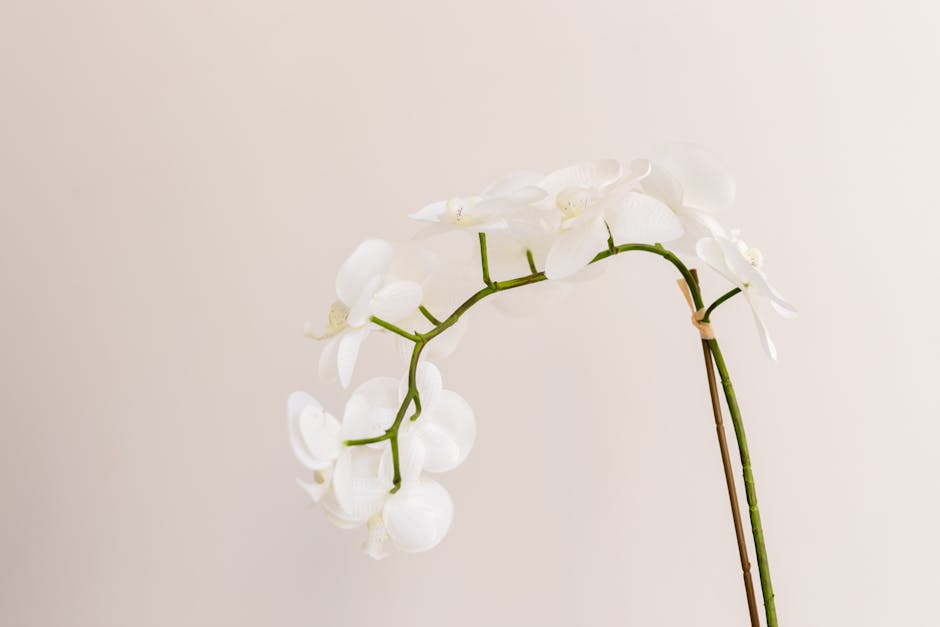
Substrates and Containers: Optimizing the Epiphytic Root Environment
The fascination with orchids transcends borders, captivating gardeners and enthusiasts with their morphological and chromatic diversity. These plants, far from being exclusive to experts, thrive with a precise understanding of their requirements. The successful cultivation of orchids in domestic environments, from a balcony in Buenos Aires to a greenhouse in Córdoba, is based on observation and the application of techniques adapted to their epiphytic or lithophytic nature. Recent advances in horticulture and botany have simplified their care, offering innovative solutions to optimize their development and flowering, even in urban gardening contexts and small spaces.
Substrates and Containers: Essential Components for Root Development
The selection of the substrate and container is a determining factor for the health of orchids, especially for epiphytic varieties such as Phalaenopsis or Cattleya, which in their natural habitat anchor their roots to tree trunks. An adequate substrate must offer excellent aeration and drainage, preventing moisture accumulation that can lead to root rot. Compositions based on pine bark, coconut fiber, perlite, and charcoal chunks are the most recommended. The proportion of each component is adjusted according to the species and local environmental conditions, aiming to replicate the porous structure that allows roots to breathe and dry between waterings.
The choice of container also significantly influences. Transparent plastic pots are popular because they allow monitoring of root condition and substrate moisture level. Alternatively, terracotta pots, due to their porosity, facilitate greater evaporation and aeration, although they require more frequent hydration monitoring. An emerging trend in urban agriculture is the use of mesh pots or hanging baskets, which maximize airflow around the roots, promoting a natural-like environment. It is crucial to avoid the use of conventional garden soil, as its density and water retention capacity are detrimental to most orchids. Innovation in biodegradable and recycled materials for pots is also gaining ground, aligning with more sustainable cultivation practices.
Environmental Parameters: Light Regulation and Humidity for Physiological Processes
Lighting and Humidity: Key Factors for Photosynthesis and Transpiration
Light and ambient humidity are critical parameters that directly influence the photosynthesis and transpiration of orchids. Most species require bright but indirect light; direct sun exposure, especially during the central hours of the day, can cause leaf burns. A location near an east or west-facing window is usually ideal indoors. To supplement natural light, or in its absence, artificial lighting with full-spectrum LED lamps has become an efficient solution. Modern LED systems allow adjustment of intensity and photoperiod, optimizing vegetative growth and floral induction.
Ambient humidity is another vital component. Orchids originate from tropical and subtropical climates, where relative humidity is high. In domestic environments, especially during winter or in dry climates, it is necessary to increase humidity. This is achieved through the use of trays with pebbles and water placed beneath the pots (without the pot base touching the water), environmental humidifiers, or by grouping plants together to create a more humid microclimate. Humidity and temperature sensors connected to mobile applications represent a technological advancement that allows growers to monitor and adjust these conditions precisely, ensuring an optimal environment for their plants. Current research also explores the impact of diurnal and nocturnal humidity variation on the overall health of the orchid, seeking to emulate natural fluctuations.
Watering and Nutrition: Protocols for Sustained Growth
Watering and Nutrition Protocols: Sustaining Vegetative and Reproductive Cycles
The watering protocol is possibly the most delicate aspect of orchid cultivation, as over- or under-watering are the primary causes of their decline. The frequency and volume of watering depend on the orchid species, substrate type, container size, and environmental conditions. A general rule is to water when the substrate is almost dry, but not completely. To check this, a wooden skewer can be inserted into the substrate or the weight of the pot can be assessed. The immersion method, where the pot is submerged in water for a few minutes until bubbles cease, ensures complete substrate hydration.
Regarding nutrition, orchids require specific fertilizers, generally formulated with a balanced NPK (nitrogen, phosphorus, potassium) ratio, or with an emphasis on nitrogen for vegetative growth and on phosphorus/potassium for flowering. Application is done by diluting the fertilizer to one-quarter or half the concentration recommended by the manufacturer, and it is applied regularly during the active growth phase. It is essential to periodically flush the substrate with pure water to prevent salt buildup, which can damage the roots. Recent research in plant nutrition focuses on the use of biostimulants and beneficial microorganisms that improve nutrient absorption and plant resistance to diseases, integrating principles of regenerative agriculture into orchid cultivation.
Sanitary Management and Flowering: Advanced Maintenance Strategies
Preventive sanitary management is crucial to keep orchids free from pests and diseases. Regular inspection of leaves, stems, and roots allows for early detection of problems such as mealybugs, aphids, or mites. In case of infestation, biological control using natural predators or the application of organic insecticides, such as neem oil, are preferable options before resorting to more aggressive chemical products. Fungal and bacterial diseases, often related to excessive humidity or lack of ventilation, are best prevented by improving environmental conditions and, if necessary, applying specific fungicides. Selecting hybrid varieties with greater resistance to common pathogens is a growing trend in the industry.
Sanitary Management and Floral Stimulation: Advanced Maintenance Strategies
Inducing flowering is the reward of patient cultivation. Many orchids require a rest period or a slight temperature variation between day and night to stimulate the formation of flower spikes. For example, some Phalaenopsis benefit from a decrease in night temperature in autumn. Propagation, on the other hand, can be done by dividing the mother plant (in species with pseudobulbs) or through keikis, small plantlets that emerge from the nodes of the flower spike. The in vitro culture technique, while more complex and generally performed in laboratories, allows for mass production of plants and conservation of rare species, contributing to biodiversity and the study of orchid genetics. Advances in plant biotechnology are opening new avenues for the propagation and genetic improvement of these fascinating plants.
Orchid cultivation is a rewarding process that combines patience, observation, and the application of specific knowledge. By understanding their needs for substrate, light, humidity, watering, and nutrition, and by integrating technological innovations and sustainable practices, any enthusiast can enjoy the lush beauty of these species. Continuous research in botany and horticulture offers increasingly sophisticated tools to ensure the well-being and flowering of these botanical jewels, fostering a deeper connection with nature and its intricate life cycles.
Related Articles

Citrus Mite Management: ID, Bio-Control & Tech
Identify spider mites in citrus, detail their life cycle, and present monitoring, biological, and sustainable chemical control strategies, integrating technology.

Beyond the Season: Unlocking Abundant Harvests with Smart Crop Rotation
Learn how strategic crop rotation revitalizes soil, boosts yields, and naturally controls pests for a healthier, more productive garden.

Cultivate a Buzzing Paradise: Simple Steps to Attract Essential Pollinators
Learn practical, actionable strategies to transform your garden into a pollinator haven, ensuring healthier plants and abundant harvests.

Fundamental Principles for Starting and Sustaining a Productive Home Garden
Learn how to plan, nourish the soil, and choose crops to create your successful and sustainable home garden.