Family Garden: A Living Laboratory for Environmental Education and Practical Sustainability
The family garden integrates pedagogy and modern horticulture, fostering cognitive skills, natural connection, and sustainable practices.

Pedagogical Foundations of Domestic Horticulture
The creation of a family garden transcends mere food production; it serves as a living laboratory, a didactic space where nature and pedagogy converge. This project offers an unparalleled platform for developing cognitive and motor skills, simultaneously fostering a deep connection with the environment and natural cycles. In the current context, where sustainability and conscious eating are gaining prominence, the domestic garden emerges as a fundamental educational tool, adapting to innovations and trends in modern horticulture.
Pedagogical Foundations of Domestic Horticulture
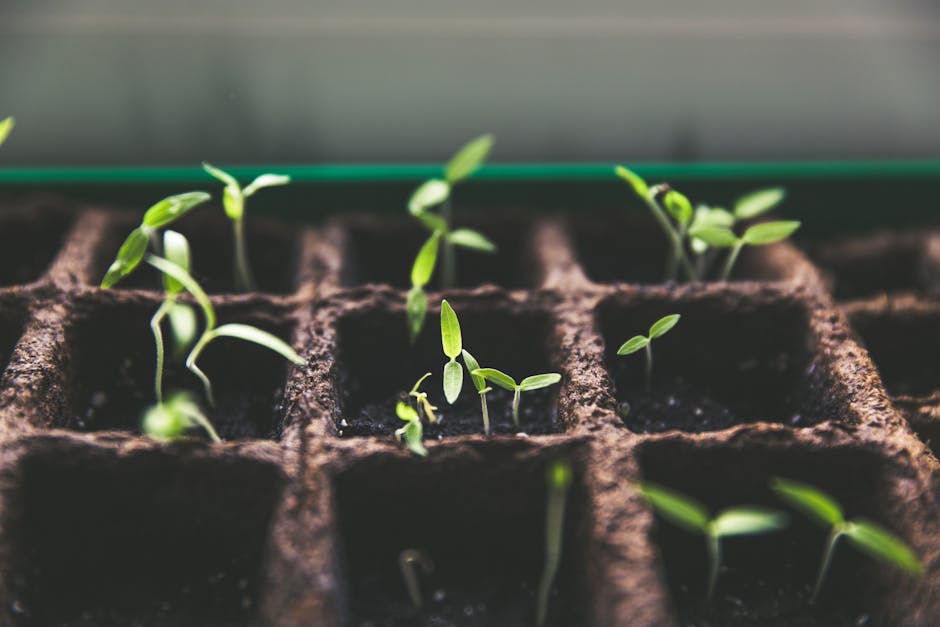
Interaction with the garden environment exposes participants to biological and ecological principles in a practical manner. Observing a seed’s growth, understanding soil function, or identifying pollinating insects are experiences that reinforce the learning of natural sciences. The garden becomes an outdoor classroom, where concepts such as photosynthesis, the food chain, or biodiversity are assimilated experientially.
Biological Cycles and Ecosystem Observation
Monitoring the plant life cycle, from germination to harvest and seed production, tangibly illustrates essential biological processes. The systematic observation of soil microfauna, such as earthworms and microorganisms, reveals the complexity of soil ecosystems and their crucial role in fertility. Recent studies, such as those published in the Journal of Environmental Education, highlight that active participation in school gardens significantly improves students’ understanding of local and global ecology. For example, documenting the development of a tomato plant (Solanum lycopersicum) over several weeks allows visualization of the influence of environmental factors like light and water.
Sustainable Water Management on Small Scales
Efficient water management is a practical lesson in sustainability. Implementing drip irrigation systems or mulching techniques teaches resource optimization and the importance of water conservation in water-stressed regions. The use of low-cost humidity sensors, available on platforms like Adafruit, allows for precise monitoring of soil water needs, preventing over- or under-watering. This practice not only benefits the plants but instills responsible consumption habits.
Curriculum Integration and Skill Development
Curriculum Integration and Skill Development
A family garden project can be integrated transversally across various areas of knowledge. From calculating distances and areas for planting (mathematics) to researching the origin of seeds or the history of crops (social sciences), the opportunities are vast. Furthermore, it fosters soft skills such as patience, problem-solving, and teamwork.
Crop Planning and Resource Management
Garden planning requires decisions about what to plant, when, and where, considering factors like crop rotation and companion planting. This task develops strategic thinking and management skills. For example, planning a three-year rotation (legumes, nightshades, brassicas) in raised beds maximizes soil fertility and minimizes pest outbreaks. Creating a planting and harvest calendar, adapted to the region’s climate, is a practical exercise in organization and foresight.
Species Propagation and Multiplication Techniques
Experimenting with plant propagation through seeds, cuttings, or division introduces participants to applied botany. This practice is not only economical but allows for direct understanding of plant reproduction. Propagating aromatic plants like rosemary (Salvia rosmarinus) or lavender (Lavandula angustifolia) from cuttings offers quick and rewarding results, reinforcing the concept of plant cloning. Resources such as manuals from INTA (National Agricultural Technology Institute) provide detailed information on these techniques, adapted to local conditions.
Innovation and Technology in the Educational Garden
Innovation and Technology in the Educational Garden
Modern horticulture incorporates technological advances and innovative approaches that can enrich the educational project. From vertical farming systems to biological pest control, these trends offer new perspectives and solutions to common challenges.
Vertical Farming Systems and Urban Horticulture
Vertical farming systems and hydroponics represent efficient solutions for optimizing space in urban environments, a growing trend in cities worldwide. Building a small vertical farming tower with recycled materials allows experimentation with different substrates and irrigation systems, demonstrating how technology can expand garden possibilities. These systems are ideal for growing lettuce (Lactuca sativa), spinach (Spinacia oleracea), and aromatic herbs, maximizing production in small areas.
Biological Pest Control: Modern Strategies
Implementing biological pest control strategies, such as introducing beneficial insects (e.g., Coccinella septempunctata for aphids) or using repellent plants, teaches principles of agroecology and ecosystem balance. Research into biopesticides based on plant extracts, such as neem (Azadirachta indica), represents an innovative trend in sustainable garden management, minimizing environmental impact and promoting soil health. Platforms like Infojardín offer updated forums and articles on these practices.
In summary, the family garden is much more than a space for growing food. It is a dynamic learning ecosystem that, by integrating pedagogical principles with technological innovations and sustainable practices, prepares new generations to understand and actively participate in building a greener, more conscious future. Investing in a garden is, ultimately, an investment in education and well-being.
Related Articles

Deep Water Culture: Nutrient and Oxygen Optimization for Urban Horticulture
Urban DWC system: roots in oxygenated nutrient solution for rapid growth, reduced water use, and increased horticultural yields.

Psidium guajava in Uruguay: Edaphoclimatology, Propagation, and Sustainable Management
Explore edaphoclimatic requirements, propagation methods, and agronomic management for guava cultivation, promoting its added value and sustainability.

Opuntia ficus-indica Cultivation: Physiology, Propagation, and Multifunctional Uses
Examines CAM physiology, vegetative propagation techniques, agronomic management, and food, medicinal, and industrial applications of prickly pear.
Pitanga (*Eugenia uniflora*): Propagation, Agronomic Management, and Gastronomic Applications
Details propagation methods, soil-climate factors, phytosanitary management, pruning, and culinary uses of pitanga for gardening and production.