Integrated Management of Fungal Pathogens in Plants: Diagnosis, Biological, and Agronomic Control
Modern strategies for plant fungal disease control, combining precise diagnosis, biocontrol agents, and sustainable agronomic practices.

Morphology and Diagnosis of Plant Mycoses
The occurrence of fungi in plants represents one of the most common and persistent phytosanitary challenges for horticulturists and gardeners. These microscopic pathogens can seriously compromise plant health, affecting the yield and vitality of ornamental and edible crops. Understanding their life cycle and the conditions that favor their development is fundamental for implementing effective and sustainable management strategies. The modern approach focuses on prevention and the integration of diverse tactics that build a more resilient plant ecosystem against these fungal threats.
Morphology and Diagnosis of Plant Mycoses
Accurate identification of fungal diseases is the first step toward effective control. Plant mycoses manifest in various forms, from leaf spots, powdery mildew (oidium), and downy mildew, to root rots and vascular wilts. Each fungal pathogen, such as Botrytis cinerea (gray mold) or Erysiphe necator (grape powdery mildew), presents distinctive morphological characteristics reflected in the symptoms on the host plant. For instance, powdery mildew is characterized by a white, powdery layer on the leaves, while downy mildew typically appears as yellow spots on the upper leaf surface and grayish fungal growth on the underside.
Environmental conditions, such as high relative humidity, poor ventilation, and moderate temperatures, are key factors that promote the proliferation of these organisms. Prevention begins with proper cultural practices: ensuring optimal spacing between plants to promote air circulation, avoiding overhead irrigation that excessively wets the foliage, and promptly removing any infected plant material. For more advanced diagnosis, innovative tools like mobile applications with image recognition or molecular diagnostic kits offer growers the ability to identify pathogens in early stages, allowing for more timely intervention. Resources such as Infojardín provide detailed descriptions of these conditions, which is crucial for minimizing spread and damage before the disease becomes fully established.
Biocontrol Agents and Low-Impact Fungicides
Plant disease control has evolved toward methods that prioritize sustainability and minimal environmental impact. Biocontrol strategies utilize beneficial microorganisms that act as natural antagonists to fungal pathogens. For example, strains of Trichoderma harzianum and Bacillus subtilis are widely used to suppress root and foliar diseases. These agents compete for nutrients and space, produce antifungal compounds, or directly parasitize harmful fungi, thereby strengthening plant immunity.
In the realm of low-impact solutions, plant extracts such as neem oil (containing azadirachtin), potassium soap, and sodium bicarbonate solutions have demonstrated efficacy against certain types of fungi, especially in the early stages of infection. Potassium soap, for instance, disrupts the fungal cell membrane, while sodium bicarbonate raises the pH of the leaf surface, creating an unfavorable environment for fungal development. When chemical control is unavoidable, the current trend leans towards fungicides with more specific and biodegradable formulations, used under the principles of Integrated Pest Management (IPM). The National Institute of Agricultural Technology (INTA) offers detailed guides on applying these strategies in organic horticulture. This involves applying products only when the economic damage threshold justifies it and rotating different modes of action to prevent the development of resistance. Current research focuses on developing next-generation biofungicides and engineering plants that express intrinsic resistance to specific pathogens, reducing the need for external interventions.
Impact of Agronomic Management on Fungal Phytosanitary Health
Proper agronomic management is fundamental to building plant resilience against fungal diseases. Soil health, for example, plays a crucial role; soils rich in organic matter, with a diverse and balanced microbiota, encourage the presence of disease-suppressing microorganisms. Incorporating quality compost enriches the substrate, improving its structure and nutrient-holding capacity, which in turn strengthens plants. Mycorrhizae, a symbiosis between beneficial fungi and plant roots, enhance water and nutrient absorption and can even confer greater resistance to pathogens.
Crop rotation is another essential practice that disrupts the life cycles of soil-specific pathogens, preventing their accumulation and reducing disease pressure. Selecting plant varieties resistant to common fungal diseases in the region is a highly effective preventive strategy. Advances in plant breeding have enabled the development of cultivars with genetic resistance to pathogens like late blight (Phytophthora infestans) in tomatoes or powdery mildew in cucurbits, offering an inherent line of defense. Techniques such as strategic pruning improve air circulation within the plant canopy, reducing humidity and the likelihood of infection. In the context of urban agriculture and controlled environment cultivation systems, precise management of ambient humidity and temperature using automated systems and sensors has proven highly effective in preventing fungal outbreaks, minimizing the use of treatments.
Environmental Monitoring Systems for Early Detection
The implementation of environmental monitoring technologies represents a significant advancement in the prevention and control of fungal diseases. Soil moisture sensors, ambient temperature sensors, and leaf wetness sensors allow for real-time data collection on the microclimatic conditions that favor fungal development. This data, processed by digital platforms and specific applications, can alert gardeners and growers to the imminent risk of an outbreak, enabling proactive intervention before the disease becomes established.
Environmental Monitoring Systems for Early Detection
The integration of artificial intelligence (AI) and machine learning in analyzing this data enables the generation of more accurate predictive models. For example, algorithms can identify climatic patterns that have historically preceded outbreaks of downy mildew or rust, offering personalized recommendations. Furthermore, the use of drones equipped with multispectral cameras enables the detection of subtle changes in plant health over large areas, long before symptoms are visible to the naked eye. These innovations are crucial for efficient resource management and the implementation of precision agriculture strategies, where treatments are applied only where and when necessary, optimizing results and minimizing environmental impact.
Conclusion: Effective management of plant fungi requires a holistic and integrated approach, combining careful observation, cultural prevention, the use of biocontrol agents, and the adoption of advanced technologies. By prioritizing soil health, selecting resistant varieties, optimizing cultivation practices, and leveraging digital monitoring tools, gardeners and horticulturists can build more robust and productive plant systems. This strategy not only protects plants sustainably but also fosters a more balanced and resilient growing environment, a fundamental goal for horticulture today and in the future, in line with the plant protection guidelines of the FAO.
Related Articles
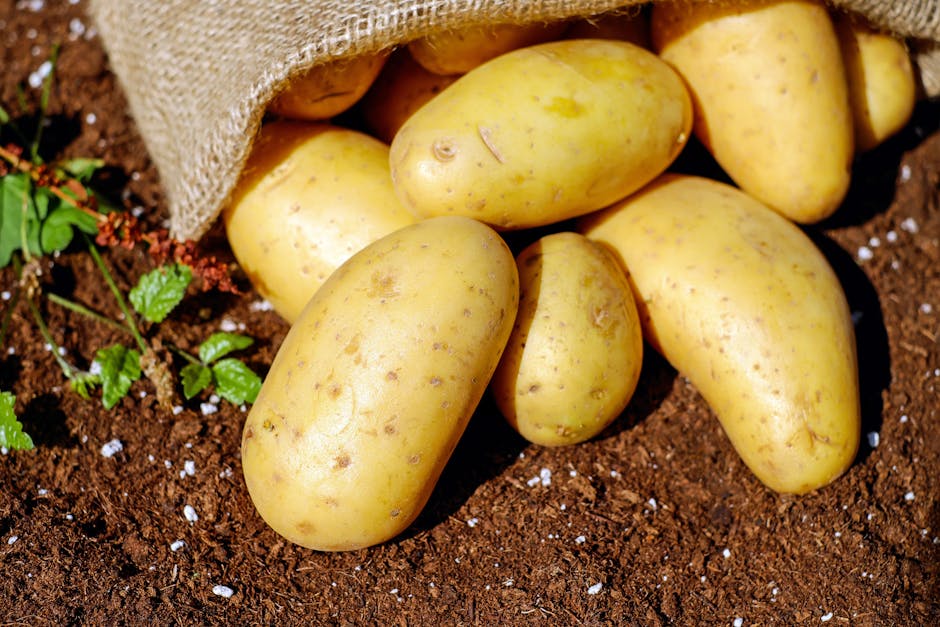
Crop Rotation for Streptomyces scabies Management in Potatoes
Implement crop rotation with cereals, legumes, and brassicas to suppress Streptomyces scabies and improve potato soil health.

Urban Strawberry Production: Varieties, Substrates, and Water Management for Balconies
Enhance strawberry cultivation in small spaces with variety selection, suitable substrates, efficient irrigation, and balanced nutrition.
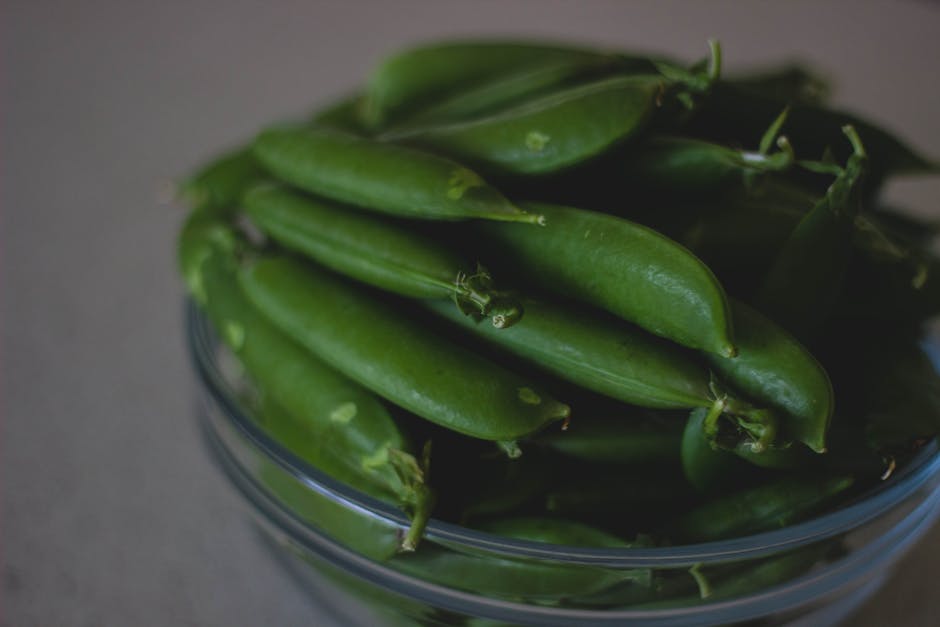
Legumes in the Home Garden: Sustainable Cultivation and Nutritional Benefits
Learn to grow legumes like beans, peas, and lentils to enhance your diet and garden soil fertility.
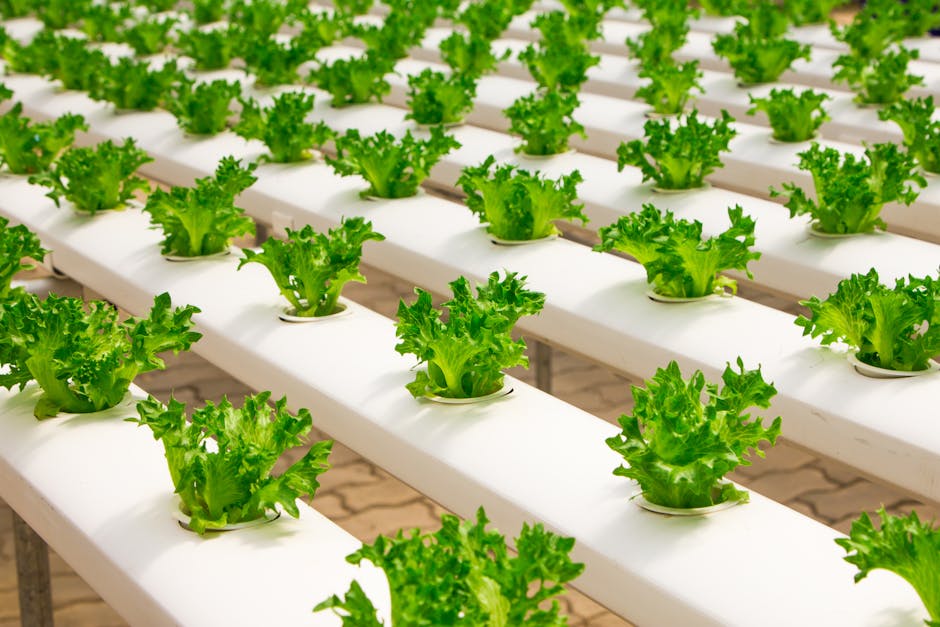
Integrated Strategies for Aphid Control in Lettuce Crops
Covers identification, monitoring, cultural practices, biological control, and biopesticides for sustainable lettuce aphid management.