Children's Gardening: Designing Interactive Green Spaces and Sustainable Cultivation Methods
Playful integration of children in cultivation: green space design, organic techniques, and biodiversity promotion for environmental education.

Designing Interactive Green Spaces for Children
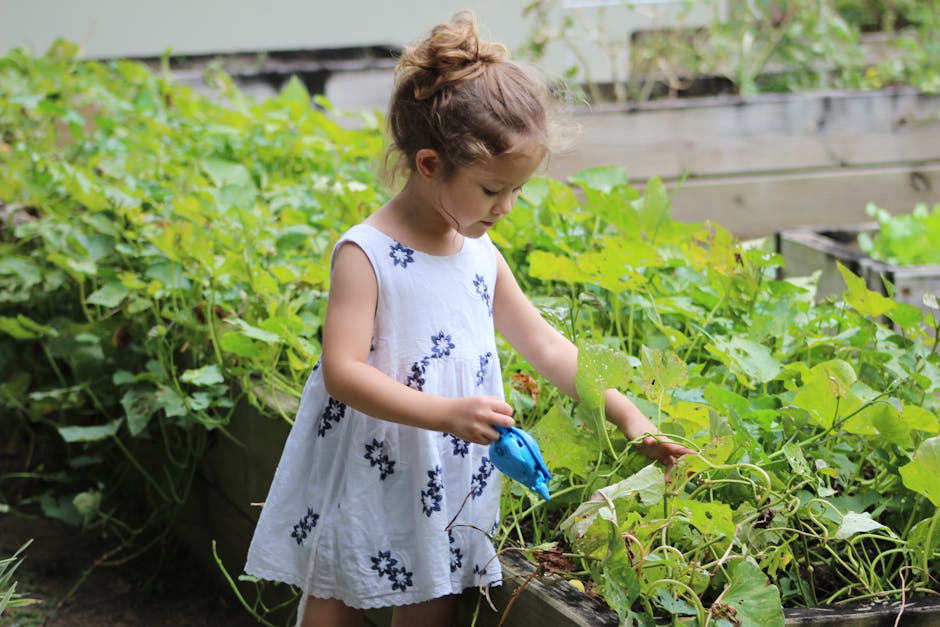
The interaction with the natural environment represents a fundamental opportunity for the cognitive and emotional development of children. Gardening, in particular, offers fertile ground for experimentation, hands-on learning, and connection with life cycles. Integrating youngsters into plant cultivation not only fosters responsibility and patience but also introduces essential concepts of biology and ecology in a playful and tangible way.
Designing Interactive Green Spaces
Planning a cultivation area accessible to children is crucial to ensure their active and safe participation. This involves selecting locations with adequate sun exposure and soils with efficient drainage. The use of raised beds or pots of various sizes allows for adapting the working height to the stature of young gardeners, facilitating planting and care. The choice of plant species should consider their ease of cultivation and relatively short life cycle, allowing for observable results within a reasonable timeframe, thus maintaining interest. Ideal examples include lettuce, radishes, peas, and aromatic herbs like mint or oregano, which also offer sensory stimulation. Consider incorporating native regional plants, such as certain varieties of verbena or sage, to contribute to local biodiversity and attract pollinators, enriching the educational experience about ecosystems. A recent study published by the journal Environmental Education Research highlights how creating natural spaces in educational settings significantly improves attention and academic performance in children.
Implementing Sustainable and Participatory Cultivation Methods
Implementing organic cultivation practices from an early age instills principles of sustainability. Composting, for example, can be transformed into a fascinating activity. A vermicomposter, with its transparent window, allows observation of the worms’ action in transforming organic waste into humus, a high-value natural fertilizer. This activity teaches about nutrient cycles and waste reduction. Another technique is efficient watering: simple homemade drip systems or the use of watering cans with controlled flow rates educate about water conservation. Collecting rainwater in small tanks can also be a didactic project. For sowing, biodegradable seed starters or eggshells can be used, which are then transplanted directly into the soil, minimizing transplant shock and reducing plastic use. Crop rotation in small plots introduces the concept of soil health and natural disease prevention, a fundamental principle of regenerative agriculture.
Fostering Biodiversity and Ecological Monitoring in Children’s Gardens
Observing beneficial fauna is a vital component of children’s gardening. Identifying beneficial insects such as ladybugs or bees, and understanding their role in the ecosystem, promotes respect for nature. Creating “insect hotels” with recycled materials provides shelter for these garden allies. For pest control, biological or mechanical methods are prioritized, such as manual removal of caterpillars or the use of color traps, avoiding the use of chemical products. The integration of mobile applications for flora and fauna identification, like iNaturalist or PlantNet, transforms observation into an interactive and educational activity, connecting children with global citizen science communities. These technological tools, accessible on mobile devices, allow for recording findings and contributing to biodiversity databases, fostering observation and taxonomic classification skills.
Innovations and Advanced Projects for Young Explorers
Exploring new gardening technologies can capture the interest of older children. Small-scale hydroponic or aquaponic cultivation systems, for instance, can be built with simple materials and offer a glimpse into the future of urban agriculture. These projects demonstrate how plants can grow without soil and how ecosystems can function symbiotically. Incorporating small soil moisture sensors with simple visual indicators can teach children about plants’ water needs interactively. Furthermore, experimenting with uncommon seed varieties or creating small pollinator gardens with specific flowers for bees and butterflies (such as Asclepias curassavica for the monarch butterfly, relevant in some regions of America) expands their botanical knowledge and environmental awareness. The global trend towards permaculture offers a conceptual framework for designing gardens that mimic nature’s patterns, integrating children into the design of self-sustaining systems.
Gardening with children is more than just an activity; it is an investment in their education and well-being. By providing them with the tools and knowledge to cultivate and care for plant life, they are empowered to become conscious guardians of our planet. Every seed planted and every sprout observed contributes to a deeper understanding of the natural world and a lasting commitment to sustainability.
Related Articles

Sustainable Horticulture in the Quebrada de Humahuaca: Adapting to Extreme Environments
Water optimization, Andean species selection, and microclimate technologies for resilient agricultural production in the Quebrada de Humahuaca.

Argentine Agricultural Adaptation: Seasonal Cycles, Soils, and Sustainability
Analysis of horticultural planning in Argentina: soil management, seasonal planting, and sustainability advances to optimize production.
Childhood Gardening: Fostering Development and Environmental Awareness
Explore practical gardening projects for children, promoting skills, responsibility, and nature connection through planting and care.

Permaculture: Designing Sustainable Gardens for Urban and Peri-Urban Environments
Permaculture principles for designing and managing resilient home gardens, focusing on soil, water, and biodiversity in Latin America.