Fruit Trees at Home: Essential Practices for Abundant and Healthy Harvests
Improve the health and productivity of your fruit trees with sustainable selection, pruning, nutrition, and irrigation techniques.
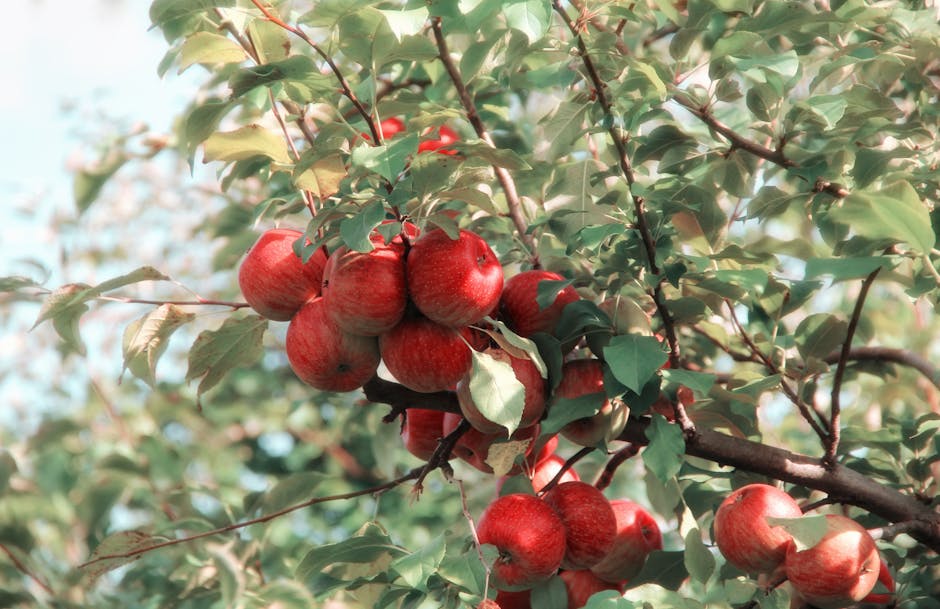
Species Selection and Climate Adaptation
The inclusion of fruit trees in domestic landscapes or small-scale orchards offers an unparalleled reward: fresh, nutritious fruits cultivated by our own hands. Beyond the pleasure of the harvest, these trees enrich the local biodiversity, provide shade, and contribute to a more balanced ecosystem. However, for them to thrive and offer consistent, quality production, they require a deep understanding of their specific needs and the application of appropriate care techniques. This article explores essential practices and recent innovations to ensure the vitality and productivity of your fruit trees, from initial selection to health protection.
Selecting Adapted Species and Cultivars
The choice of species and cultivar is the first critical step for success in fruit cultivation. Evaluating local climatic conditions, including the winter chill hours necessary for fruit set (a vital factor in regions like Patagonia or central Argentina), resistance to late frosts, and tolerance to summer heat, is fundamental. Recent research has developed low-chill varieties, expanding possibilities for temperate or warm zones. Likewise, compatibility with soil type and inherent resistance to common regional diseases are paramount considerations.
Soil Preparation and Planting Techniques
Soil Preparation and Correct Planting
Well-structured and nourished soil is the foundation for vigorous growth. Before planting, a soil analysis is recommended to determine its composition, pH, and nutrient availability. Correcting deficiencies or excesses, such as adding organic matter (compost or worm castings) to improve structure and water retention capacity, is a key process. Planting technique involves digging a hole wide enough for the roots, ensuring the root collar remains at soil level, and gently firming to eliminate air pockets. Initial mulching with wood chips or straw helps conserve moisture and suppress weeds.
Post-Plantation Irrigation and Nutrition
During the first year, root establishment is a priority. A consistent and deep irrigation regimen is vital, especially during dry periods, to stimulate root development. Implementing drip or micro-sprinkler irrigation systems from the start minimizes water stress and optimizes water use, a growing trend in sustainable agriculture. Initial nutrition should be gentle, avoiding nitrogen excesses that stimulate vegetative growth at the expense of root development. Applications of balanced organic fertilizers, such as those formulated with seaweed or humic extracts, promote comprehensive development.
Post-Plantation Water and Nutritional Management
Structural and Fruiting Pruning
Pruning is an essential practice that directs tree growth, optimizes fruit production, and maintains health. Different types of pruning exist: formative pruning, performed in the early years to establish a strong, balanced structure; maintenance pruning, which removes dead, diseased, or crossing branches; and fruiting pruning, which regulates the quantity and quality of the harvest. The technique of ‘green pruning’ or summer pruning, which focuses on removing unwanted shoots during the growing season, has gained relevance for its ability to redirect plant energy towards fruit production and improve canopy aeration.
Balanced Fertilization for Fruit Trees
An adequate fertilization program is crucial for fruit production. Fruit trees require a balance of macronutrients (nitrogen, phosphorus, potassium) and micronutrients (iron, zinc, boron, etc.). Fertilizer application should be based on the specific needs of the tree and soil analysis. Current trends lean towards slow-release fertilizers and organic amendments that improve long-term soil health, in line with regenerative agriculture principles. Incorporating mature compost or green manure around the base of the tree improves soil structure and nutrient availability gradually.
Structural, Fruiting Pruning, and Fertilization
Efficient and Sustainable Water Management
Water management is a cornerstone in fruit tree care, especially in the face of climate change challenges and water scarcity. The implementation of smart irrigation systems, which use soil moisture sensors and weather forecasts to optimize water delivery, represents a significant innovation. These systems can reduce water consumption by up to 50% compared to traditional methods. Organic mulching, besides suppressing weeds, helps retain soil moisture, reduces evaporation, and moderates root zone temperature. Rainwater harvesting for irrigation is another sustainable practice gaining traction in urban and rural gardens.
Plant Health and Integrated Protection
Constant vigilance is key for early pest detection. Aphids, scale insects, fruit flies, and red spider mites are some of the most frequent threats. The implementation of monitoring traps, such as chromatic or pheromone traps, allows for the identification of presence and infestation levels. Control strategies focus on biological and cultural methods: introducing beneficial insects (like ladybugs for aphid control), using plant extracts (neem oil), and rotating auxiliary crops that deter pests.
Plant Health: Prevention and Control of Pests and Diseases
Prevention and Treatment of Fungal Diseases
Diseases such as brown rot (Monilinia), powdery mildew, and scab can seriously compromise production. Prevention is fundamental and relies on cultural practices: ensuring good canopy aeration through pruning, avoiding excess leaf moisture, and removing infected plant material. The use of organic fungicides, such as those based on sulfur or copper, is applied preventatively or at the onset of infection. Recent research explores the use of antagonistic microorganisms (like certain strains of Trichoderma) that compete with pathogens, offering a promising biological solution.
Biological Control and Permaculture Strategies
The adoption of permaculture principles and integrated biological control fosters a resilient ecosystem. This includes planting companion species that attract pollinators and natural predators of pests, or that act as repellents. For example, calendula or garlic can protect fruit trees from certain insects. Promoting biodiversity in the garden creates a natural balance that reduces the need for chemical interventions. Advances in research on pheromones and kairomones for pest control, as well as the development of genetically more resistant fruit varieties, mark the future of sustainable plant protection.
Innovations in Biological Control and Permaculture
Caring for fruit trees is a dynamic process that combines ancestral knowledge with scientific and technological innovations. From appropriate species selection to the implementation of smart irrigation systems and biological pest management, each step contributes to the health and productivity of your trees. Adopting a holistic approach, prioritizing soil health, biodiversity, and sustainability, not only ensures abundant and quality harvests but also enriches the environment and fosters a deeper connection with nature. Constant observation and adaptation to the specific conditions of each tree and environment are the keys to seeing your fruit trees prosper.
Related Articles

Hot Pepper Cultivation: Warm Climate Genetics, Management, Sustainability
Strategies for growing hot peppers in warm climates: genetic selection, water management, substrate, stress mitigation, and phytosanitary control.
Argentine Horticultural Calendar: Climate Adaptation and Sustainable Techniques for Success
Align your planting with Argentina's diverse climate. Select species, optimize irrigation, and improve soils for resilient production.

Cucurbita spp.: Agronomic Requirements for Optimizing Yield and Quality
Technical analysis of squash (*Cucurbita spp.*) cultivation, covering varietal selection, soil, irrigation, nutrition, and pest management.
Crop Rotation: Biological Foundation for Resilient Soils and Sustainable Agricultural Productivity
Analysis of crop rotation's impact on soil biology, nutrient cycling, and sequence design for regenerative agriculture.