Balcony Strawberry Cultivation: Variety Selection, Watering, Nutrition, and Biological Control
Enhance balcony strawberry production with variety selection, precise water management, organic nutrition, and biological pest control.

Variety and Container Selection for Balcony Strawberries
Food production in small spaces is becoming an essential urban practice, and growing strawberries on balconies is one of the most rewarding options. This activity not only beautifies the environment but also offers the chance to enjoy fresh, organic fruit harvested right at home. Adapting agricultural techniques to urban settings allows gardening enthusiasts, from beginners to experienced growers, to integrate nature into their daily lives and contribute to personal food security. The rise of urban agriculture, driven by increased awareness of food origins and sustainability, has spurred the development of innovative solutions to maximize productivity in limited areas.
Variety and Container Selection for Balcony Strawberries
The appropriate choice of Fragaria x ananassa varieties and containers is fundamental for successful balcony cultivation. Priority is given to everbearing or “day-neutral” varieties, which produce fruit continuously throughout the season, unlike short-day varieties with a single intense flowering period. Recommended examples include ‘Albion’, ‘Seascape’, or ‘Mara des Bois’, known for their adaptability to pots and good performance in temperate climates. For more details on strawberry varieties suitable for pots, consult specialized platforms like Infojardín.
Regarding containers, versatility is key. Traditional pots of at least 20 cm in diameter and depth can be used to ensure optimal root development. Linear planters are efficient for grouping several plants. Notable innovations include vertical grow towers or stackable pot systems, which maximize available space and are a growing trend in urban horticulture. These systems facilitate drainage and aeration, critical aspects for preventing fungal diseases.
The growing medium plays a crucial role. A light, well-draining mix rich in organic matter is recommended. An ideal composition includes peat, mature compost, and perlite or vermiculite in balanced proportions to retain moisture without waterlogging. Incorporating a slow-release organic fertilizer at the start of planting ensures a constant supply of nutrients.
Water and Nutrient Management in Urban Cultivation Systems
Water and Nutrient Management in Urban Cultivation Systems
Water management is a cornerstone of balcony strawberry cultivation. These plants require consistent moisture but are susceptible to waterlogging, which promotes root rot. Watering should be regular, adjusted to climatic conditions and substrate type. Effective techniques include drip irrigation or the use of self-watering systems, which minimize water waste and ensure uniform hydration. Recent technological advancements include soil moisture sensors connected to mobile applications, allowing for precise monitoring and optimization of irrigation—a trend in urban precision agriculture.
Nutrition is equally vital. During the vegetative growth phase, strawberries benefit from balanced fertilizers. For flowering and fruiting, an increased potassium supply is recommended to stimulate the production of sweet, firm fruits. Liquid organic fertilizers, such as compost tea or seaweed extracts, are excellent options that enrich the substrate and promote healthy microbiota. Regenerative agriculture promotes the use of organic amendments that improve soil structure and long-term nutrient availability.
Pollination is another factor to consider. On balconies, the presence of natural pollinators may be limited. Manual pollination, transferring pollen from flower to flower with a soft brush, is a simple and effective practice to ensure good fruit set.
Biological Control and Pathogen Prevention Strategies
Integrated Pest Management (IPM) is the most sustainable approach to protect strawberries in urban environments. Prevention is the first line of defense. Regular inspection of plants allows for the detection of pests such as aphids (Aphididae), spider mites (Tetranychus urticae), or slugs before they establish. Removing dead leaves and damaged fruit reduces infection sources.
Biological Control and Pathogen Prevention Strategies
For control, biological and organic methods are prioritized. Introducing natural enemies, such as lacewing larvae or ladybugs, can be an effective strategy against aphids. The use of neem oil (Azadirachta indica) or potassium soap are eco-friendly alternatives for controlling various pests without harming the environment. For fungal diseases like powdery mildew (Podosphaera macularis) or botrytis (Botrytis cinerea), good air circulation and avoiding excess leaf moisture are crucial. Organic fungicides based on plant extracts or beneficial microorganisms are viable options. Regarding the use of organic fertilizers and biological control, resources like La Huertina de Toni offer practical advice.
An emerging trend in urban agriculture is the use of sticky chromatic traps for monitoring and mass trapping of insects. Likewise, research into strawberry varieties with greater resistance to pests and diseases, using classical breeding techniques, offers long-term solutions for growers.
Optimal Harvest, Propagation, and Sustainability Principles
Strawberry harvesting occurs when the fruits achieve a deep, bright red color across their entire surface and detach easily from the stem. It is preferable to harvest in the morning, after the dew has dried, to ensure the best quality and shelf life. A clean cut with small scissors helps avoid damaging the plant and prolongs the fruit’s usability.
Strawberry propagation is a natural and simple process. Mother plants produce stolons, which are creeping stems that develop new plantlets at their nodes. These “runners” can be separated from the mother plant once they have developed their own root system and transplanted into new containers, thus multiplying the crop. This vegetative propagation practice is fundamental for maintaining crop vitality year after year, using the garden’s own resources.
Optimal Harvest, Propagation, and Sustainability Principles
Sustainability on the balcony involves several practices: using homemade compost to enrich the substrate, collecting rainwater for irrigation, and crop rotation, even in pots, to prevent depletion of specific nutrients. Implementing permaculture principles, such as designing systems that minimize effort and maximize efficiency, is becoming increasingly relevant in urban gardening, promoting a closed resource cycle.
Balcony strawberry cultivation is an accessible practice that transforms any urban space into a source of fresh, healthy food. With proper variety selection, conscious water and nutrient management, the application of biological control strategies, and the adoption of sustainable practices, successful production can be achieved. Innovations in vertical growing systems, smart sensors, and resistant varieties open new possibilities for optimizing horticulture in small spaces, connecting city dwellers with the origin of their food and fostering a greener, more self-sufficient lifestyle.
Related Articles

Crop Association: Ecological Principles and Sustainable Agricultural Applications
Article explores crop association's ecological basis, strategies like milpa, and innovations in genomics for sustainable, resilient agriculture.
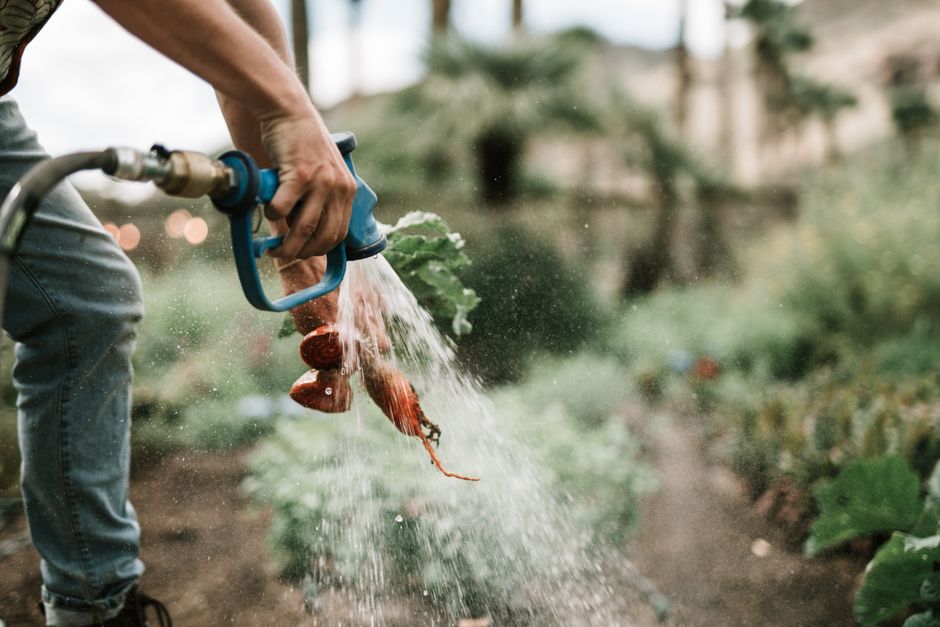
Maximize Harvests, Minimize Water: Drip Irrigation Setup for Every Gardener
Understand the transformative power of drip irrigation to conserve water, boost plant health, and simplify your gardening. Learn its benefits and how to install it for a vibrant garden.

Ipomoea batatas: Edaphoclimatic Requirements and Cultivation Techniques for Sustainable Production
Understand the key factors for successful sweet potato cultivation: climate, soil, propagation, nutrition, and phytosanitary management.
Unlock Fresh Flavors: Cultivating Your Own Culinary Herb Oasis
Learn how to grow a vibrant kitchen herb garden, bringing fresh, aromatic flavors from your pots directly to your plate.