Drip Irrigation: Water and Agronomic Efficiency for Modern Crops
Implementing and maintaining drip systems to optimize water use, enhance plant growth, and ensure agricultural sustainability.
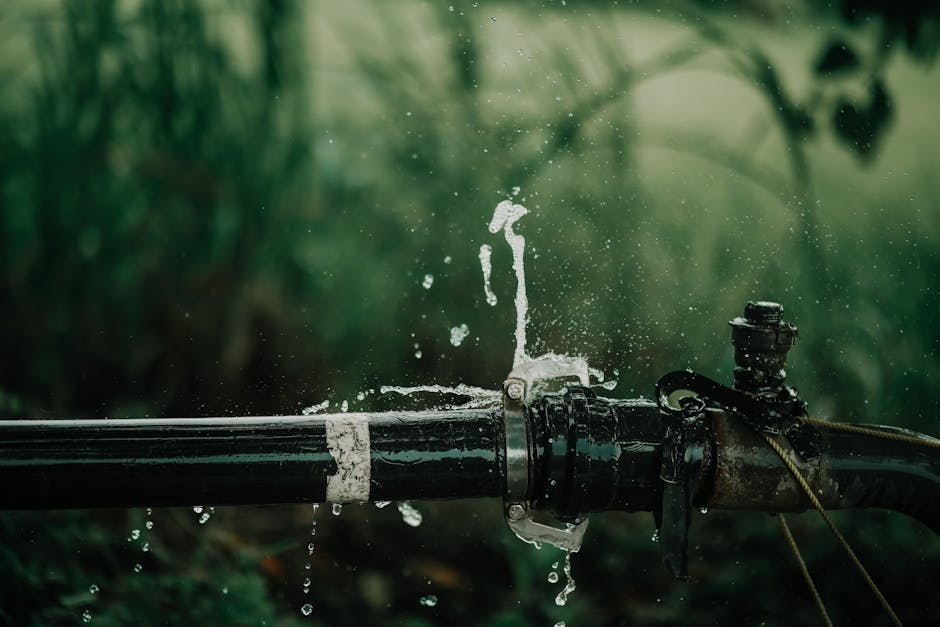
Components and Automation of Drip Irrigation Systems
Drip irrigation is a fundamental strategy in contemporary agriculture and gardening, especially in contexts where water efficiency is crucial. This system, which delivers water in a localized and controlled manner directly to the plant’s root zone, minimizes waste and optimizes nutrient absorption. Its implementation aligns with current trends in sustainability and intelligent resource management, offering a robust solution to challenges such as water scarcity and climate variability, a growing concern in regions like the Pampas or Cuyo in Argentina.
Essential Components of a Drip Irrigation System
The configuration of an efficient drip irrigation system depends on the selection and correct installation of its elements. A basic system comprises a water source, a filtration unit to prevent clogging, a pressure regulator that ensures uniform flow, and a network of main and secondary pipes equipped with emitters or drippers. The choice of drippers varies according to the crop type and soil characteristics; self-compensating drippers are ideal for uneven terrain, as are fixed-flow drippers.
Recently, innovation has integrated soil moisture sensors and smart controllers, enabling automated systems that adjust irrigation in real-time according to specific plant needs and weather conditions. These advancements, such as IoT (Internet of Things)-based systems, represent a qualitative leap in water management, offering unprecedented precision and significant water consumption reduction. Companies like Netafim or Rain Bird lead the development of these technologies, which are already accessible for urban gardens and smaller-scale agricultural operations.
Water Efficiency and Agronomic Benefits of Localized Irrigation
Water and Agronomic Benefits of Drip Irrigation
The adoption of drip irrigation offers multiple advantages that go beyond mere water administration. Firstly, water efficiency is its most notable attribute, with reductions in water consumption that can exceed 50% compared to traditional methods like sprinkler or flood irrigation. A recent study published in the Journal of Agronomy and Crop Science highlighted that localized irrigation minimizes evaporation and runoff, ensuring that almost all applied water is utilized by the plant.
From an agronomic perspective, this method promotes optimal root development by maintaining constant and adequate moisture in the root zone, avoiding cycles of water stress. The direct application of water also reduces weed proliferation, as only the area immediately around the cultivated plant is moistened. Furthermore, it allows for precise fertigation, the delivery of nutrients dissolved in irrigation water, which increases fertilizer use efficiency and reduces the leaching of chemical compounds into the subsoil, contributing to long-term soil health. This technique is particularly valuable in horticultural crops such as tomatoes (Solanum lycopersicum) or peppers (Capsicum annuum), where soil moisture uniformity is critical for quality production.
Installation Procedures for Drip Systems
Design and Implementation of Drip Irrigation Systems
The installation of a drip irrigation system, while seemingly complex, is a structured process that can be undertaken by gardeners and horticulturalists. The first step involves planning the design, considering plant distribution, soil type, and available water pressure. It is essential to draw a schematic detailing the location of the main pipes, secondary pipes, and drippers.
Once designed, proceed to connect the filtration unit and pressure regulator to the water source. Subsequently, lay the main pipes, generally of larger diameter, and connect the secondary or lateral pipes to them, which will house the drippers. Drilling the lateral pipes to insert the drippers should be done with specific tools to ensure a watertight fit. In urban gardens, it is common to use prefabricated kits that simplify this process. For professional installation, it is recommended to consult technical manuals from manufacturers like Gardena.
After installation, it is crucial to test the system to verify there are no leaks and that all drippers are functioning correctly, adjusting pressure if necessary. Current trends suggest integrating programmable timers, and even mobile app-controlled systems, which allow for remote and flexible irrigation management, adapting to the dynamics of modern life and the changing needs of the garden or vegetable patch.
Preventive Maintenance and Optimization of Localized Irrigation
Preventive Maintenance and Optimization of Drip Irrigation
The longevity and efficiency of a drip irrigation system depend directly on adequate preventive maintenance. Regular cleaning of filters is paramount to prevent dripper clogging, a common problem that compromises irrigation uniformity. It is recommended to check filters every two to three weeks, or more frequently if the water contains sediment.
It is important to periodically inspect all pipes and drippers for possible damage caused by rodents, insects, or natural wear and tear. Minor repairs, such as replacing a clogged dripper or fixing a small leak with specific connectors, are straightforward and extend the system’s lifespan. During colder months, in regions prone to frost, it is advisable to drain the system to prevent frozen water from damaging pipes and components.
Continuous irrigation optimization can be achieved by monitoring soil moisture with tensiometers or digital sensors, adjusting irrigation times and frequencies based on readings. Precision agriculture, driven by technology, offers tools for even small producers to maximize the water and nutritional efficiency of their crops. These practices not only ensure vigorous plant growth but also reinforce the commitment to environmental sustainability and water resource conservation, aspects increasingly valued in modern horticulture.
Related Articles

Potassium in Lettuce: Physiology, Diagnosis, and Nutritional Management Strategies
Analysis of potassium's role in lettuce, deficiency symptoms, diagnostic methods, and fertilization sources to optimize yield.

Organic Pest Control in Argentina: Integrated Strategies for Gardens and Vegetable Patches
Implement preventive, biological, and physical methods for chemical-free pest control, promoting healthy ecosystems and sustainable production.

Low-Maintenance Gardens: Planning, Species, and Technologies for Sustainable Efficiency
Design strategies, native plant selection, and automation for functional, low-effort green spaces.

Cultivation and Conservation of Aromatic Herbs: Environmental Factors, Propagation, and Agronomic Management
Enhance aromatic herb cultivation: from light conditions and substrates to pruning, nutrition, and effective conservation methods.