Argentine Agricultural Adaptation: Seasonal Cycles, Soils, and Sustainability
Analysis of horticultural planning in Argentina: soil management, seasonal planting, and sustainability advances to optimize production.

Soil Analysis and Regional Climate Adaptation
Agricultural planning in Argentina presents both a challenge and an opportunity, given the vast territorial expanse and the diversity of its biomes. From the subtropical regions of the north to the cold latitudes of Patagonia, each area features a unique microclimate that defines optimal planting periods. Understanding these cycles is fundamental for any grower, whether large-scale or urban gardener, aiming to maximize productivity and sustainability. Adapting cultivation practices to local conditions not only ensures better yields but also fosters the resilience of agricultural ecosystems against climate variability. This approach enables more efficient and environmentally respectful agriculture, leveraging natural resources intelligently and strategically.
Soil Analysis and Regional Climate Adaptation
The success of any horticultural endeavor in Argentina begins with a thorough evaluation of the specific soil and climatic characteristics of each location. The soils of the Humid Pampa, for instance, are rich in organic matter and suitable for a wide range of crops, while the lands of Cuyo or the Northwest require more intensive management of irrigation and fertility. Conducting a soil analysis is an indispensable practice; it determines pH, nutrient composition, and texture, critical information for applying precise organic or mineral amendments. Incorporating compost or worm castings improves soil structure, water retention capacity, and nutrient availability for plants. Furthermore, thermal variability and precipitation patterns, influenced by phenomena like La Niña or El Niño, demand constant observation and flexibility in the choice of species and varieties. For detailed information on the soil characteristics of your region, the National Agricultural Technology Institute (INTA) offers valuable resources through its publications and regional extensions, such as the soil management guides available on its website INTA.
Seasonal Planting Strategies: Recommended Crops
Argentina’s geographical distribution imposes a varied planting calendar, adjusted to the four seasons of the year, albeit with regional differences based on latitude.
Spring Planting (September - November)
Seasonal Planting Strategies by Region and Climate
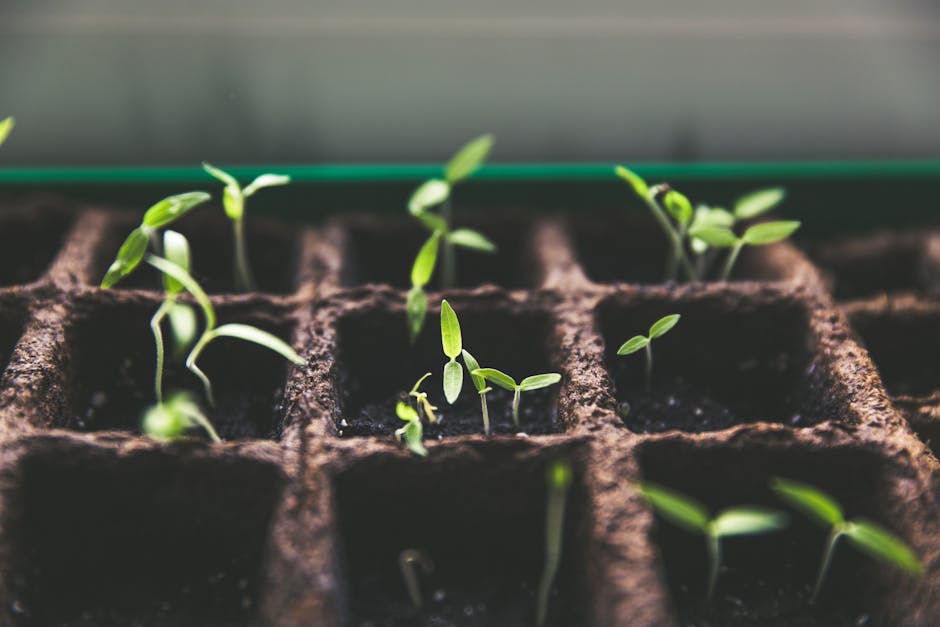
As frost risk diminishes, spring is the ideal period for establishing warm-season vegetables. Direct sowing of squash, corn, beans, and peas is recommended. For crops like tomatoes, peppers, eggplants, and cucumbers, transplanting seedlings previously started in protected seedbeds is the common practice. Careful planning of transplant dates is crucial to avoid damage from late frosts, especially in the central and southern regions of the country. Soil preparation with abundant organic matter is vital for initial root development.
Summer Planting (December - February)
Summer allows for the continuation of many spring crops and the introduction of species that thrive in high temperatures and sunlight. Optimal crops include melon, watermelon, okra, and zucchini. Staggered sowings of Swiss chard, lettuce (heat-resistant varieties), and spinach can also be made to ensure a continuous harvest. Irrigation management becomes paramount, prioritizing efficiency through drip or furrow irrigation systems, particularly in areas with high temperatures and low humidity. Protection against intense solar radiation with shade nets can benefit some leafy greens.
Autumn Planting (March - May)
The gradual decrease in temperatures during autumn marks the beginning of cool-season vegetable planting. This is the opportune time to sow broccoli, cauliflower, cabbage, Swiss chard, spinach, and various lettuce varieties. Additionally, garlic and onions are planted, requiring a long cycle and cool conditions for development. Winter legumes such as fava beans and peas also find their ideal sowing window in autumn. Soil preparation with potassium-rich fertilizers enhances plant resistance to low temperatures. Planting density should be adjusted to allow for good aeration and reduce the incidence of fungal diseases.
Winter Planting (June - August)
Advances in Sustainable Management and Regenerative Agriculture
During winter, direct sowing options are restricted to species tolerant of extreme cold. Chili peppers, onions, and specific varieties of spinach and Swiss chard can be sown in areas with moderate winters. In colder regions, protection with tunnels or greenhouses becomes indispensable to extend the growing season for radishes, carrots, and lettuce. Water management should be conservative to prevent soil saturation and pathogen proliferation. The incorporation of mulching helps maintain soil temperature and conserve moisture. The National Service of Agrifood Health and Quality (SENASA) provides information on adapted seed varieties and sanitary regulations in Argentina, available at SENASA.
Advances in Sustainable Crop Management
Argentine horticulture is in a phase of integrating innovative and sustainable practices. Regenerative agriculture, with its emphasis on soil health, biodiversity, and the reduction of external inputs, is gaining traction. Techniques such as crop rotation, cover cropping, and no-till farming demonstrate significant improvements in soil fertility and the resilience of production systems. In urban settings, vertical farming and hydroponic or aeroponic systems represent efficient solutions for food production in limited spaces, optimizing water and nutrient use. Recent research from INTA explores the development of crop varieties more resistant to water and thermal stress conditions, crucial in the face of climate change scenarios. The implementation of soil moisture sensors and automated irrigation systems, along with mobile applications for pest and disease monitoring, optimizes resource management and reduces environmental impact. These advances enable more efficient and adaptable production to contemporary challenges.
Horticulture in Argentina, with its climatic and edaphic diversity, demands a strategic and adaptive approach. Understanding seasonal cycles, combined with rigorous soil management and the adoption of sustainable innovations, are pillars for successful production. Constant observation of the environment, appropriate variety selection, and the integration of agroecological practices strengthen garden resilience against climate challenges. Cultivating in harmony with the local nature not only ensures abundant harvests but also contributes to soil health and agricultural ecosystem biodiversity, promoting a greener and more productive future for all Argentine growers.
Related Articles

Atriplex lampa: Forage Resilience and Restoration in Arid Ecosystems
Zampa (Atriplex lampa) is a key shrub for its salinity and drought resistance, vital for forage and restoration in arid zones.
Pitanga (*Eugenia uniflora*): Propagation, Agronomic Management, and Gastronomic Applications
Details propagation methods, soil-climate factors, phytosanitary management, pruning, and culinary uses of pitanga for gardening and production.

Vegetative Propagation by Cuttings: Fundamentals, Protocols, and Technological Advances
Explore plant cloning via cuttings, its cellular bases, preparation methods, substrates, and optimization with technology and sustainable practices.

Family Garden: A Living Laboratory for Hands-On Learning and Food Sustainability
The family garden is a natural classroom fostering skills, connection to food, and self-sufficiency, promoting sustainability from home.