Home Tomato Cultivation: Nutrition, Pruning, and Protection for Exceptional Harvests
Learn watering, nutrition, pruning, and pest control techniques to grow healthy, productive tomatoes at home.
Soil Preparation and Variety Selection for Tomatoes
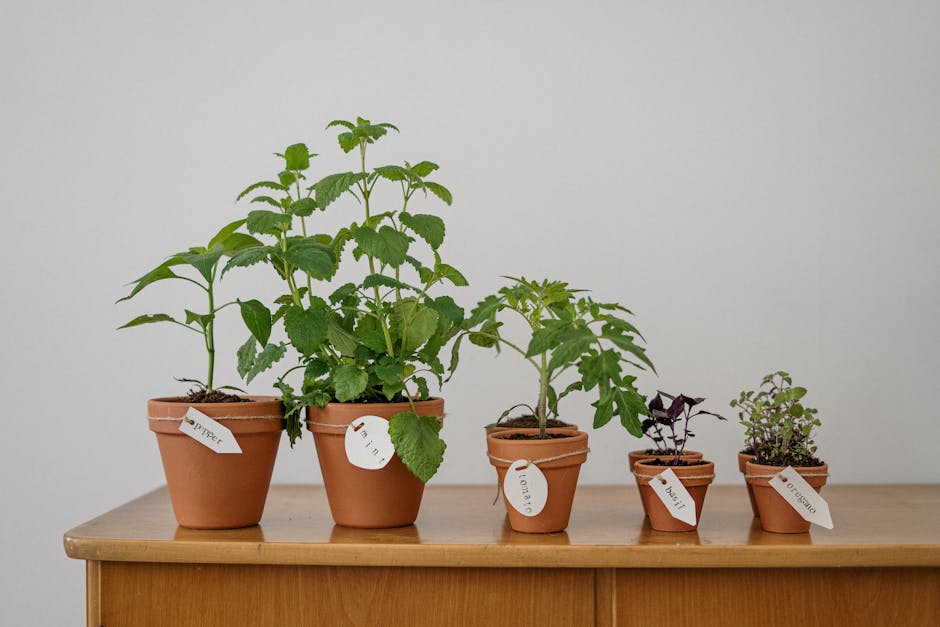
The experience of growing tomatoes at home offers an unparalleled reward: the taste of fresh, juicy fruit grown with our own hands. Whether on an urban balcony or in a larger garden, the tomato (Solanum lycopersicum) is a versatile crop that, with the right care, can thrive and yield abundant harvests. Understanding its needs is the first step to enjoying this highly prized vegetable in gastronomy.
To start growing tomatoes, soil preparation is crucial. They need a substrate rich in organic matter, well-drained, and with a slightly acidic to neutral pH (between 6.0 and 7.0). Incorporating compost or worm castings significantly improves soil structure and fertility, providing essential nutrients from the outset. A sunny location is indispensable; tomatoes require at least 6 to 8 hours of direct sunlight per day for optimal development and abundant fruiting. It is advisable to protect plants from strong winds that could damage them. Regarding variety selection, we can opt for indeterminate tomatoes, which grow continuously and produce throughout the season, or determinate ones, which have a more compact growth and produce their harvest in a shorter period. Popular varieties in our region include the ‘Platense’, ideal for salads, ‘Roma’ for sauces, and various cherry varieties for direct consumption. Seedlings can be purchased from nurseries or started from seed in trays, transplanting when they have developed a couple of true leaves and the risk of frost has passed.
Watering and Nutritional Management for Tomato Cultivation
Watering and nutrition management are pillars of successful cultivation. Tomatoes need consistent, deep watering, especially during flowering and fruiting. It is essential to maintain uniform soil moisture, avoiding waterlogging or extreme drought, which can cause fruit cracking or disease. Drip irrigation is a highly efficient technique that minimizes water waste and reduces the risk of wetting the leaves, thereby preventing fungal proliferation. Tomatoes are demanding when it comes to nutrition. During the early stages, they need nitrogen for foliage development, while during flowering and fruiting, they require more phosphorus and potassium. Organic fertilizers such as compost tea or guano are excellent options for supplying these nutrients in a balanced way. Observing the plant’s leaves and growth will provide clues about potential nutritional deficiencies. Pruning is another vital aspect: it is recommended to remove suckers (axillary shoots that grow between the main stem and branches) to concentrate energy on fruit production and improve air circulation. Staking, using stakes or cages, is essential to support the weight of the fruits and keep the plant upright, facilitating harvesting and preventing fruit contact with the soil. Applying mulch around the base of the plants with straw, dry leaves, or wood chips helps retain soil moisture, suppress weeds, and moderate temperature, contributing to a more stable environment for the roots.
Protecting plants from pests and diseases is a constant challenge in horticulture. Common pests affecting tomatoes include aphids, whiteflies, and spider mites. For organic control, solutions of potassium soap or neem oil can be used. Introducing companion plants such as basil, marigolds, or nasturtiums can act as natural repellents or attract beneficial insects. Regarding diseases, downy mildew, powdery mildew, and early blight are some of the most frequent. Prevention is the best strategy: ensure good air circulation between plants, avoid excess moisture on the foliage, and practice proper crop rotation. Crop rotation is a fundamental practice that involves alternating crop types in the same plot over seasons. This helps break the life cycles of tomato-specific pests and diseases and naturally replenishes soil nutrients, improving the overall health of the garden ecosystem. For more in-depth information on these practices, resources like InfoJardín or La Huertina de Toni offer detailed guidance adapted to various conditions. For example, at https://www.infojardin.com/ and https://lahuertinadetoni.com/, you can find specific guides on organic pest management.
Pruning, Staking, and Mulching Strategies
Growing tomatoes is a journey of learning and observation. From soil preparation to harvest, each stage requires attention and patience. By applying proper planting, watering, nutrition, pruning, and protection techniques, you can achieve the production of exceptionally high-quality tomatoes. The satisfaction of harvesting fruit from your own garden not only enriches your table but also connects you with nature’s cycles and promotes more conscious and healthy eating.
Related Articles

Capsicum Species Cultivation: Agronomic Strategies for Optimal Pepper and Chili Production
Understand the scientific principles and practical techniques for successfully cultivating diverse Capsicum species, from soil preparation to harvest.

Mulching as a Strategy for Thermoregulation and Resilience in Horticulture
Mulching moderates soil thermal fluctuations, conserves moisture, and enhances root health, fostering resilience against climate change.

Dryocosmus kuriphilus: Integrated Management & Biological Control
Combines biological control with *Torymus sinensis*, technological monitoring, and resistant variety development for chestnut sustainability.

Crop Rotation and Integrated Management for Potato Late Blight Control
Crop rotation strategies, variety selection, seed health, and technologies to mitigate Phytophthora infestans in Solanum tuberosum.