Tomato Cultivation: Varieties, Sowing, Care, and Pest Management for a Successful Harvest
Learn tomato cultivation techniques, from variety selection and sowing to watering, nutrition, and pest control for home gardens.
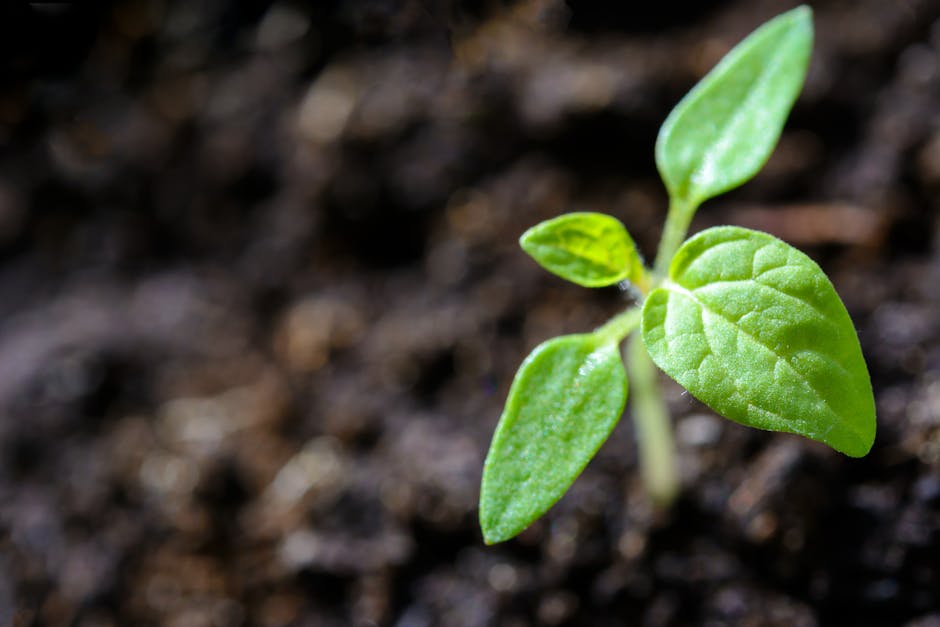
Selecting Varieties and Preparing the Soil for Tomatoes
Growing tomatoes, one of the most rewarding horticultural activities, allows you to enjoy fresh, flavorful fruits straight from your garden. From cherry varieties to robust paste tomatoes, their versatility and adaptability make them a favorite choice for gardeners of all levels. This plant, belonging to the Solanaceae family, requires specific care to thrive, but the results amply compensate for the effort invested. Understanding its needs is the first step to ensuring an abundant and high-quality harvest.
The choice of the right variety is fundamental for successful cultivation. There are indeterminate tomatoes, which grow continuously and produce fruit throughout the season, ideal for spaces with support such as stakes or trellises. On the other hand, determinate tomatoes have a more compact growth habit and produce most of their fruit in a short period, making them suitable for pots or cultivation in confined spaces. For sowing, you can opt to start seedlings indoors 6-8 weeks before the last frost, or sow directly into the soil once night temperatures consistently exceed 10°C (50°F). The ideal soil for tomatoes is fertile, well-drained, and has a slightly acidic to neutral pH (between 6.0 and 6.8). Enriching the substrate with mature compost before sowing significantly improves soil structure and nutrient availability. The sowing depth should be approximately 0.5 to 1 cm (0.2 to 0.4 inches), and once the seedlings are about 15-20 cm (6-8 inches) tall, they can be transplanted to their final location, ensuring adequate spacing between them to allow for air circulation and root development.
Watering, Nutrition, and Structural Support in Tomato Cultivation
Continuous care and maintenance are crucial for the vigorous development of tomato plants. Watering is one of the most important aspects; tomatoes require consistent moisture but without waterlogging. Deep, regular watering, especially during flowering and fruiting, is preferable to frequent, shallow watering. Mulching around the base of the plants, using straw, dry leaves, or wood chips, helps retain soil moisture, suppress weeds, and maintain a stable root temperature. Nutrition also plays a vital role. Tomatoes are “heavy feeders” and benefit from fertilizers rich in potassium and phosphorus during the flowering and fruiting stages. Organic fertilizers such as compost tea or worm castings can be applied every 2-3 weeks. Staking is essential for most varieties, as it supports the weight of the fruits and prevents them from touching the ground, reducing the risk of diseases. Pruning “suckers” (lateral shoots that grow in the leaf axils) directs the plant’s energy towards fruit production, although excessive pruning can reduce the total yield. Maintaining good ventilation and plant health is key.
Integrated pest and disease management is essential to protect the harvest. Some of the most common pests affecting tomatoes include aphids, whiteflies, and spider mites. To combat them organically, natural insecticides based on neem oil or potassium soap can be used. Introducing beneficial insects like ladybugs is also an effective strategy. Regarding diseases, downy mildew, powdery mildew, and blossom-end rot are frequent problems. Crop rotation, proper watering (avoiding wetting the leaves), good ventilation, and choosing resistant varieties are fundamental preventive measures. Blossom-end rot, characterized by a dark spot at the base of the fruit, is usually a symptom of calcium deficiency or irregular watering; adjusting these factors can resolve it. For more information on pest management, you can consult resources such as those offered by INTA in Argentina, which provide detailed guides on biological control and good agricultural practices.
Integrated Pest and Disease Management in Tomato Plants
Harvesting tomatoes is the most anticipated moment. The fruits are ready to be picked when they have reached their characteristic color and are firm to the touch. It is important to harvest regularly to stimulate further production. For preservation, tomatoes are best kept at room temperature, away from direct sunlight. Avoiding refrigeration helps prolong their flavor and texture. If you have an overabundance, they can be processed into sauces, purees, or homemade preserves, allowing you to enjoy the taste of your garden year-round. Growing tomatoes is a rewarding experience that connects you with nature and provides fresh food. With attention to detail and constant care, the reward will be an abundant production of delicious tomatoes, ideal for any table.
Related Articles

Capsicum Species Cultivation: Agronomic Strategies for Optimal Pepper and Chili Production
Understand the scientific principles and practical techniques for successfully cultivating diverse Capsicum species, from soil preparation to harvest.
Home Tomato Cultivation: Nutrition, Pruning, and Protection for Exceptional Harvests
Learn watering, nutrition, pruning, and pest control techniques to grow healthy, productive tomatoes at home.

Daucus carota: Soil and Agronomic Factors for Carrot Cultivation
Analysis of optimal soil, planting, irrigation, and nutrition conditions for successful carrot cultivation.

Crop Rotation and Integrated Management for Verticillium Wilt Suppression
Agronomic and complementary strategies to reduce Verticillium spp. incidence through rotation, biofumigation, and biological control.