Home Organic Garden: Planning, Living Soil, and Sustainable Cultivation Principles
Learn to plan, prepare soil, and use sustainable techniques for a successful, productive home organic garden.
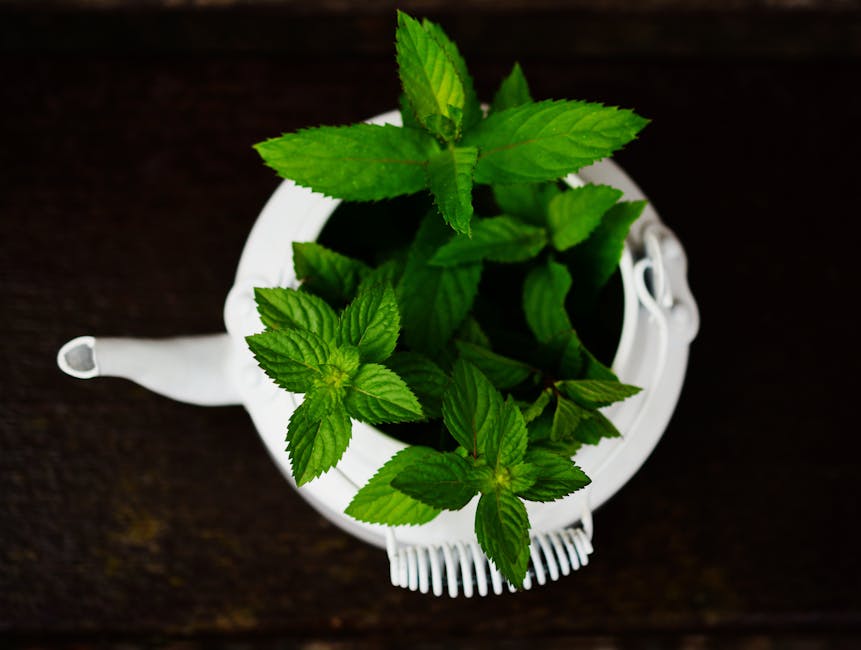
Planning and Designing Your Home Garden
The desire to grow fresh, healthy food at home has gained significant momentum in recent years. Establishing an organic garden at home, whether on a balcony, terrace, or patio, offers a tangible opportunity to connect with nature, reduce your ecological footprint, and ensure access to chemical-free produce. This approach not only promotes biodiversity and sustainability but also provides the personal satisfaction of watching what you consume grow. Beyond space availability, the success of an organic garden hinges on understanding fundamental principles that foster a healthy and productive ecosystem.
Planning and Design of the Home Garden
The starting point for any successful organic garden is careful planning. Evaluating the available space is crucial: balconies, terraces, and patios offer different possibilities. Sunlight exposure is a determining factor; most vegetables require at least 6 hours of direct sunlight daily. Observing the sun’s path throughout the day will help identify the most suitable areas for cultivation.
The choice of containers is also important. For small spaces, fabric grow bags, recycled wooden crates, or raised garden beds are excellent options, as they facilitate drainage and ventilation. It’s essential to consider the size of the containers in relation to plant development; for example, tomatoes or zucchini need larger containers than lettuce or aromatic herbs. An efficient design not only maximizes production but also simplifies watering and maintenance tasks, making the gardening experience more pleasant and less demanding.
Soil Preparation and Organic Nutrition
Soil Preparation and Organic Nutrition
The foundation of an organic garden is living, fertile soil. The quality of the substrate directly influences the health and vigor of the plants. An ideal substrate for an organic garden should be rich in organic matter, well-aerated, and have good water retention capacity, yet drain adequately to prevent waterlogging. The mix typically includes dark topsoil, mature compost, and perlite or vermiculite to improve structure.
Homemade compost is the cornerstone of organic nutrition. Transforming organic waste from the kitchen and garden into valuable fertilizer is a sustainable and economical practice. This “black gold” provides slow-release essential nutrients, improves soil structure, and promotes beneficial microbial activity. Alternatives like worm castings or green manures also enrich the substrate naturally. The key is to nourish the soil, not just the plants, creating a resilient ecosystem. For those who wish to delve deeper into composting, resources like La Huertina de Toni offer detailed guides on how to start this process: https://www.lahuertinadetoni.es/como-hacer-compost-casero/.
Cultivation Techniques and Sustainable Management
Cultivation Techniques and Sustainable Management
Once the soil is prepared, planting and plant care require attention to specific details. Crop rotation is a fundamental strategy that prevents the depletion of specific soil nutrients and reduces the incidence of pests and diseases. It involves alternating the type of crop in the same plot or pot throughout the seasons. For example, after a legume (which fixes nitrogen), a leafy green vegetable can be planted.
Efficient irrigation is another critical component. Drip irrigation or the use of buried clay pots are methods that minimize water waste and ensure moisture reaches the roots directly. Observing the plants and soil moisture is key to determining the necessary frequency and amount of water.
Pest and disease control in an organic garden relies on prevention and the use of natural methods. Promoting biodiversity by planting flowers that attract beneficial insects (like calendula or basil) is an effective strategy. Regular inspection of plants allows for early detection of problems. Homemade solutions such as potassium soap or garlic infusions are ecological alternatives to chemical pesticides. Companion planting, growing species that benefit each other or repel pests, is also a highly valued practice. For instance, rosemary can help deter the carrot fly.
Harvesting and Garden Continuity
Harvesting and Continuity of the Productive Cycle
Harvesting is the reward for effort and care. It’s important to know the optimal time to harvest each vegetable to ensure its best flavor and nutritional value. Many plants, like lettuce or chard, allow for staggered harvesting by removing outer leaves and letting the plant continue producing. Others, like tomatoes or peppers, are harvested once they reach their characteristic size and color.
Keeping the garden productive involves a continuous cycle of planting, care, and harvesting. Planning staggered planting ensures there’s always something ready for collection. Furthermore, saving seeds from the most vigorous plants is a practice of self-sufficiency that closes the garden cycle and allows crops to adapt to local conditions over time.
Establishing and maintaining a home organic garden is an investment in health, well-being, and sustainability. From choosing the space to harvesting, each stage offers an opportunity to learn and connect with natural cycles. With patience and observation, anyone can enjoy the abundance of their own garden, cultivating not just food, but also a more conscious and environmentally respectful lifestyle.
Related Articles

Urban Gardens: Design, Cultivation, and Sustainable Management for Food Self-Sufficiency
Enhance your growing space with design, planting, efficient irrigation, and biological pest control techniques for sustainable production.

Impact of Haze on Photosynthetic Efficiency and Plant Mitigation Strategies
Analyzes how haze particles affect photosynthesis and details foliar cleaning, irrigation, and nutrition techniques for plant resilience.

Unlock Sweet Success: Master the Art of Growing Carrots at Home
Understand the secrets to cultivating crisp, sweet carrots in your garden, from soil preparation to harvest, ensuring a bountiful yield.

Home Cultivation of Oyster Mushrooms: Substrates, Environment, and Harvesting for Food Autonomy
Detailed analysis of substrates, environmental conditions, and harvesting techniques for successful home production of Pleurotus ostreatus.