Quinoa in Argentina: Agronomic Practices for Sustainable and Nutritious Cultivation
Understand the keys to quinoa cultivation in Argentina: soil preparation, sowing, management, and harvesting to optimize yield and sustainability.

Optimal Soil Preparation and Sowing of Quinoa
Quinoa (Chenopodium quinoa), an ancestral pseudocereal from the Andes, has gained significant global dietary relevance due to its exceptional nutritional profile. In Argentina, this ancient crop is experiencing a resurgence, positioning itself as a viable and sustainable alternative for various agricultural regions. Its adaptability to challenging edaphoclimatic conditions and its intrinsic value as a complete food make it a strategic option for food security and rural development.
The success of quinoa cultivation in Argentina hinges on meticulous soil preparation and appropriate sowing. This pseudocereal thrives in well-drained soils with a pH ranging between 6.0 and 8.5. Enriching the land with organic matter is crucial, as it improves soil structure and its capacity for nutrient and water retention. Before sowing, a soil analysis is recommended to adjust necessary amendments, prioritizing the use of compost or green manures to sustainably foster fertility. Crop rotation is an essential practice, helping to prevent pathogen buildup and maintain soil nutrient balance. For sowing across much of the country, particularly in regions like the Argentine Northwest (NOA) or Cuyo, the months of August to October are generally optimal, avoiding late frosts that could harm young seedlings. Sowing can be done directly, at a depth of 1 to 2 centimeters, ensuring good seed coverage to protect it from desiccation and predators. Adequate spacing between rows and plants is critical to allow for optimal development and facilitate subsequent cultural practices.
Agronomic Management: Irrigation, Nutrition, and Pest Control
Quinoa’s agronomic management encompasses key aspects such as irrigation, nutrition, and weed and pest control. While quinoa is known for its drought tolerance, water supply is critical during specific phases of its life cycle: germination, flowering, and grain filling. In intensive production systems or in water-scarce areas, drip irrigation is an efficient option, minimizing water consumption and optimizing its use. Regarding nutrition, quinoa responds positively to the availability of nitrogen, phosphorus, and potassium, although its requirements are moderate. Organic fertilization with mature compost or incorporating legumes into crop rotation can fulfill a significant portion of these needs. Weed control is vital during the early growth stages of quinoa, as competition for light, water, and nutrients can significantly reduce yield. Manual weeding or the use of mulching (organic ground cover) are effective and environmentally friendly methods. Quinoa is relatively resistant to pests and diseases, but potential aphid infestations or the appearance of downy mildew (Peronospora farinosa) should be monitored. Biological control and the use of plant extracts are preferable alternatives to chemical pesticides.
Quinoa harvesting occurs when the plants have reached physiological maturity, a stage indicated by leaf yellowing, panicle drying, and grain hardness. Depending on the scale of cultivation, harvesting can be manual or mechanical. In small plots or family gardens, panicles are collected by hand, while on larger areas, adapted harvesters are used. After harvesting, drying the grains is a fundamental step to prevent fungal proliferation and ensure good preservation. Subsequently, threshing separates the grains from the panicles. A distinctive post-harvest process for many quinoa varieties is de-saponification, which involves washing the grains to remove saponin, a bitter compound present in the seed coat. This step is crucial for improving the palatability and digestibility of the final product. Once clean and dry, quinoa should be stored in a cool, dry, and ventilated place to maintain its nutritional quality and extend its shelf life. For more information on cultivation in the region, consult the work of INTA on quinoa in the Argentine Northwest: La quinoa, un cultivo para el Noroeste Argentino.
Quinoa Harvesting and Post-Harvest Processes
Quinoa cultivation represents a valuable opportunity to diversify agricultural production in Argentina and offer a highly nutritious food. By applying appropriate agronomic practices and focusing on sustainability, Argentine producers and horticulturalists can successfully integrate this pseudocereal into their systems, contributing to food security and the development of more resilient and conscious agriculture. Quinoa not only nourishes the body but also revitalizes the land and strengthens the communities that choose to cultivate it.
Related Articles
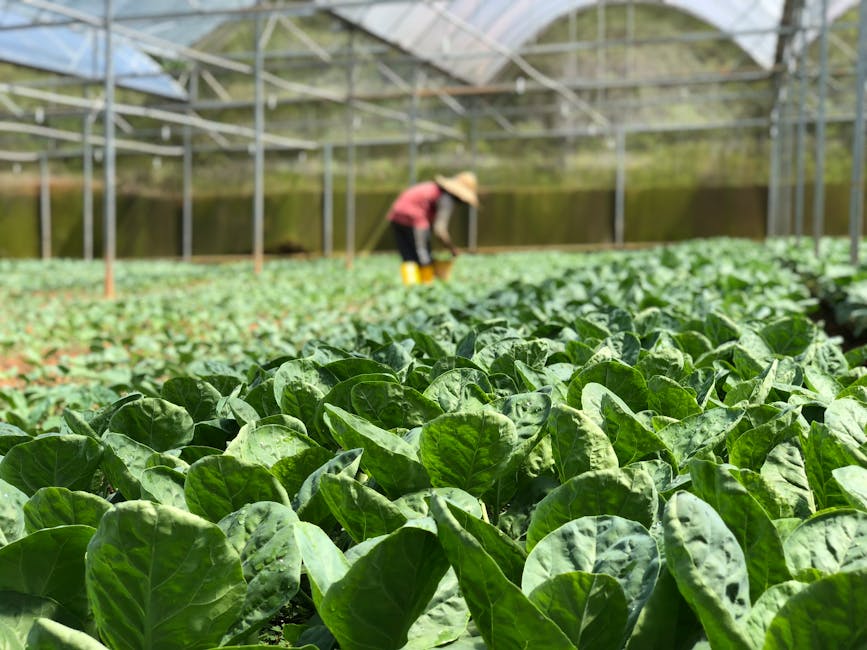
Continuous Lettuce Production: Genotypic Selection, Environmental Control, and Soilless Cultivation
Article details genotypic selection, environmental control, and soilless systems for continuous year-round lettuce production, ensuring consistent harvests.
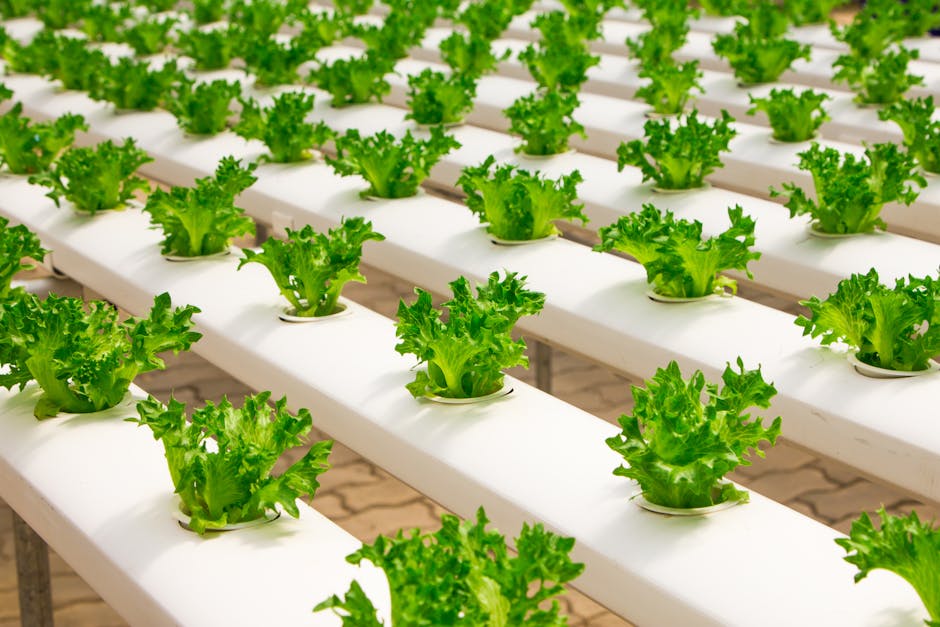
Lettuce Sclerotinia Management: Etiology, Environment, Control
Investigates the etiology of Sclerotinia sclerotiorum in lettuce, environmental factors favoring its development, and integrated management strategies.
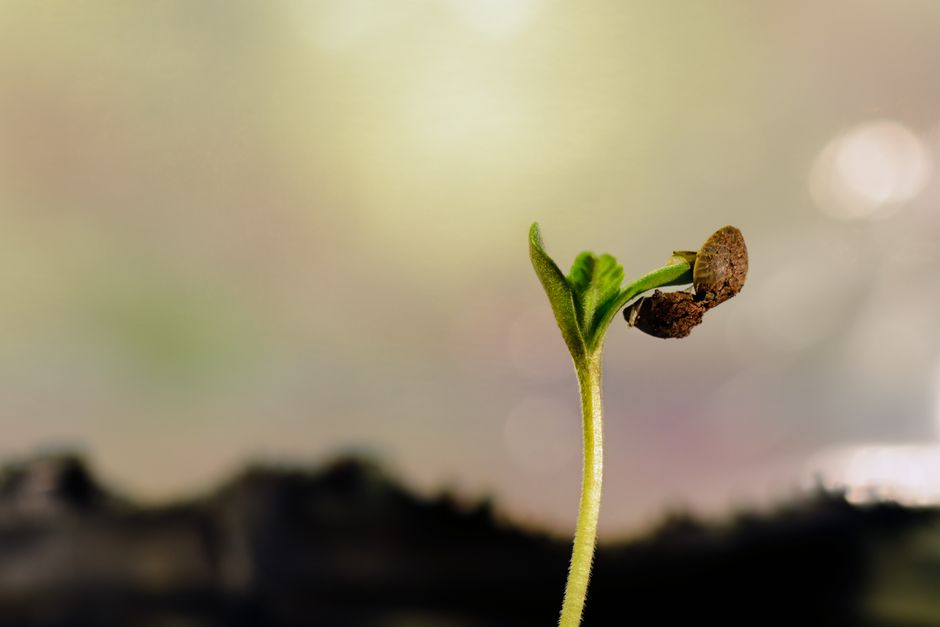
Argentine Horticultural Calendar: Climate Adaptation and Sustainable Techniques for Success
Align your planting with Argentina's diverse climate. Select species, optimize irrigation, and improve soils for resilient production.
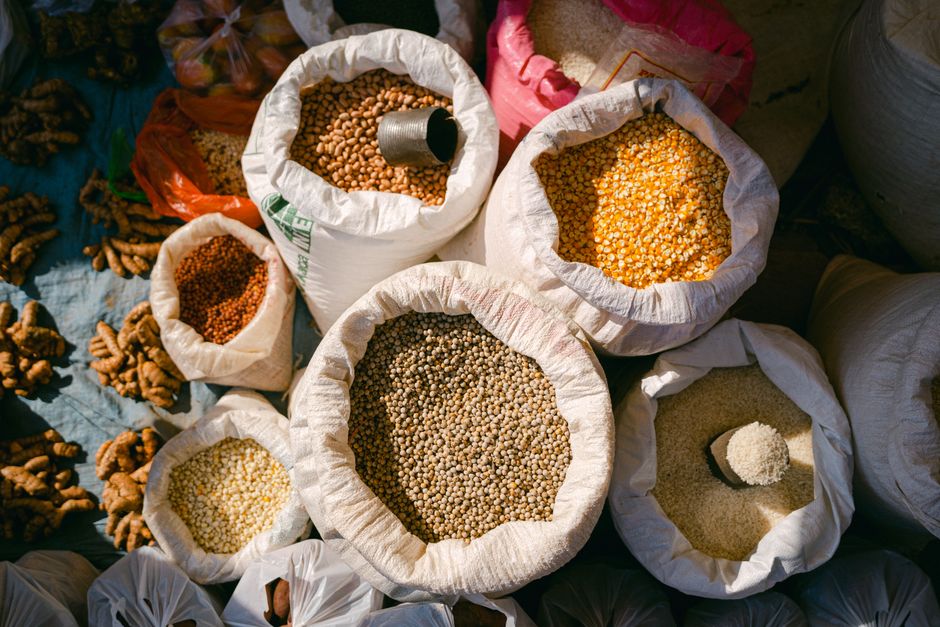
Crop Associations: Corn Optimization and Sustainability in the Humid Pampa
Implementing intercropping with legumes and cucurbits to enhance soil fertility, reduce inputs, and boost agricultural resilience.