Orchids at Home: Light, Humidity, and Substrate for Exceptional Blooming
Learn how to replicate the natural habitat of orchids at home for spectacular blooms. A guide to light, humidity, and substrate.
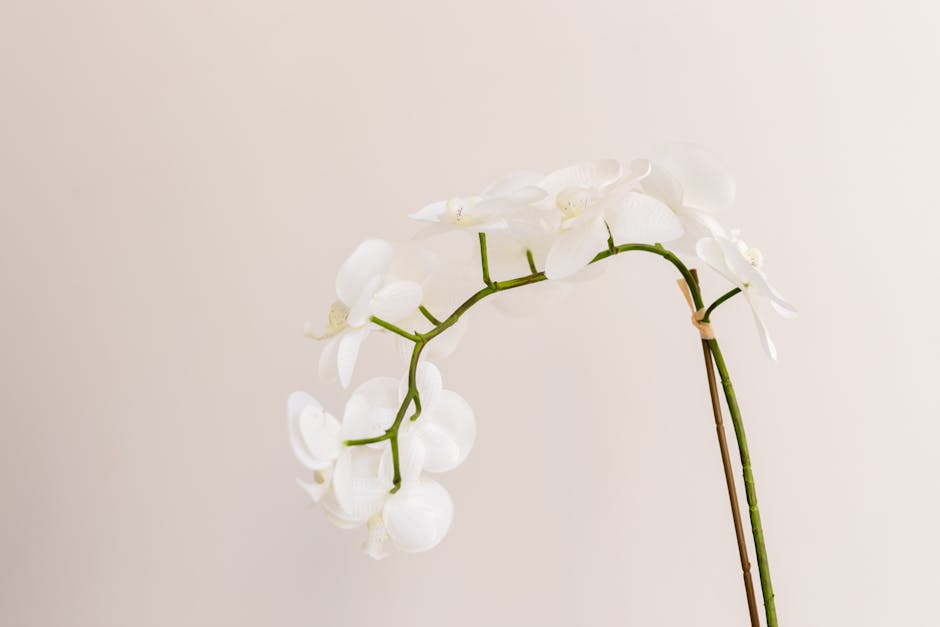
Critical Environmental Factors for Orchid Cultivation
The fascination with orchids transcends borders, captivating gardeners and enthusiasts worldwide, from the vibrant markets of Buenos Aires to the most remote corners of Latin America. These botanical jewels, with their astonishing diversity of shapes and colors, are often perceived as difficult plants to care for, reserved only for experts. However, with adequate knowledge of their specific needs, any enthusiast can enjoy their lush blooms at home. Demystifying their cultivation is the first step to integrating these tropical beauties into our homes, transforming the perception of their complexity into a rewarding botanical experience. For a deep overview of different varieties and their care, one can consult specialized resources such as those from Infojardín.
Understanding the natural environment of orchids is fundamental to their success at home. Light is one of the most critical factors; most epiphytic orchids, which grow on trees in their habitat, require bright but indirect light. An east or west-facing window is usually ideal, providing the necessary luminosity without the intensity of direct sun that could burn their leaves. Observing the leaf color is a good indicator: medium green suggests adequate light, while dark green leaves may indicate insufficient light, and yellowish or reddish leaves, too much.
Temperature and humidity are also vital. Most orchids thrive with daytime temperatures between 20°C and 28°C (68°F and 82°F), and a nighttime drop of about 5°C to 10°C (9°F to 18°F), which stimulates blooming. High humidity, characteristic of their tropical environments, can be replicated at home with pebble trays filled with water placed beneath the pots, or by using humidifiers, especially in dry environments. Adequate ventilation is equally important to prevent the development of fungi and diseases, ensuring that air circulates freely around the plant.
Substrate, Watering, and Nutrition: Pillars of Orchid Care
Substrate, watering, and nutrition form the pillars of orchid care. Unlike other houseplants, orchids are not grown in ordinary soil. They need a substrate that provides excellent drainage and aeration for their roots. Specific orchid mixes, composed of pine bark, sphagnum moss, charcoal, perlite, or coconut husk chips, are ideal. Watering is another key point and often a source of errors. Overwatering is more detrimental than underwatering. A general rule is to water when the substrate is almost dry. The roots of many orchids, such as Phalaenopsis, turn silvery when they need water and green when hydrated. The immersion method, submerging the pot in water for a few minutes, allows the substrate to absorb the necessary moisture. It is preferable to use rainwater or filtered water, as they are low in salts and chlorine.
Regarding nutrition, orchids require specific fertilizers, applied moderately. During active growth and blooming, you can fertilize every two waterings, diluting the product to half or a quarter of the recommended dose. It is always better to err on the side of caution.
Repotting, inducing flowering, and pest management are crucial aspects for maintaining the long-term health and beauty of orchids. It is recommended to repot an orchid every one to two years, or when the substrate has decomposed and no longer drains well, or when the plant has outgrown its pot. The best time is after flowering. When repotting, dead or rotten roots should be removed, and a slightly larger pot should be used, preferably transparent for epiphytic orchids, which allows observation of the root condition and substrate moisture. Inducing new blooms often requires a resting period with a slight reduction in watering and a temperature difference between day and night. Consistency in light and nutrition are also determining factors.
Regarding pests and diseases, orchids can be affected by mealybugs, aphids, or spider mites. Regular inspection allows for early detection. For treatments, solutions with isopropyl alcohol or potassium soap can be effective for minor pests. For fungal problems, ensuring good ventilation and reducing humidity may suffice, or resorting to specific fungicides if the situation warrants it. More details on managing common problems can be found in guides from Picarona.
Managing Repotting, Flowering, and Pests in Orchids
Cultivating orchids is a journey of observation and patience. Each plant is a universe in itself, with its own peculiarities, but the principles of adequate light, controlled humidity, mindful watering, and balanced nutrition are universal. By applying these techniques and carefully observing the signals the plant provides, we will not only be encouraging spectacular blooming but also developing a deeper connection with the natural world. The reward of seeing an orchid bloom in our home is immense, a testament that with dedication, these exotic beauties can thrive far from their native jungle, enriching our spaces with their unparalleled elegance.
Related Articles

Container Mango: Varieties, Substrate, Nutrition & Urban Health
Adapting Mangifera indica in pots: dwarf selection, draining substrates, balanced nutrition, and urban production phytosanitary management.

Propagation, Management, and Ecological Applications of Baccharis salicifolia
Explore propagation, environmental needs, plant health, and ecological value of Baccharis salicifolia for restoration and biodiversity.

Cultivating Carnivorous Plants: Substrate, Climate, Watering, and Propagation
Replicating natural habitats: nutrient-poor substrates, pure water, specific light & humidity, and propagation techniques for carnivorous plants.

Small Space, Big Yield: The Art of Growing Potatoes in Pots
Learn how to successfully grow abundant potatoes in pots, transforming any small space into a productive urban farm with our expert tips.