Indoor Plants: Natural Phytoremediation for Purer Air
Learn how indoor plants purify air, removing VOCs and enhancing well-being. Learn about effective species and their care.

Indoor Air Pollution and Natural Phytoremediation
In modern life, we spend most of our time in indoor spaces, whether at home, in the office, or in commercial establishments. Paradoxically, the air we breathe within these environments can be up to five times more polluted than the air outside. Substances like formaldehyde from furniture and carpets, benzene from paints and plastics, or trichloroethylene from detergents are just a few of the volatile organic compounds (VOCs) silently circulating. In the face of this invisible challenge, nature offers us an elegant and effective solution: plants. Integrating plant species into our environments not only beautifies spaces but also actively contributes to air purification, improving the quality of life and general well-being of their inhabitants. This process, known as phytoremediation, is a natural technique that leverages the ability of certain plants to absorb and neutralize pollutants.
The ability of plants to clean the air was the subject of a pioneering NASA study in the 1980s, seeking solutions to maintain air quality in closed space stations. The results were revealing: certain species not only produce oxygen but are also expert at filtering toxic compounds from the environment. For more information on this study, you can consult the NASA Technical Report. This mechanism occurs mainly through the leaves, where stomata absorb pollutants, and through the roots, which, together with the microorganisms in the substrate, break down these harmful substances into less damaging components. Plant transpiration also plays a crucial role, increasing ambient humidity and attracting dust particles and other allergens, which are then absorbed or deposited on the leaf surface to be cleaned.
Selecting the right plants is fundamental to maximizing the purifying effect. Several species stand out for their effectiveness in absorbing VOCs.
Air Purification Mechanisms by Plants: NASA Study
The Pothos (Epipremnum aureum), also known as the devil’s ivy, is exceptionally robust and efficient against formaldehyde, xylene, and benzene. Its maintenance is simple, preferring indirect light and moderate watering, making it an ideal choice for beginners. It can grow trailing or climbing, adapting to different spaces.
Snake Plant (Sansevieria trifasciata), popularly called mother-in-law’s tongue or Saint George’s sword, is a low-maintenance plant that excels at purifying the air at night, releasing oxygen and absorbing carbon dioxide. It is effective against formaldehyde, benzene, and trichloroethylene. It tolerates low light and drought conditions, making it perfect for bedrooms and offices with minimal attention.
Spider Plant (Chlorophytum comosum) is one of the easiest indoor plants to care for and most effective at removing carbon monoxide, formaldehyde, and xylene. Its “spiderettes” or offsets facilitate propagation and add a decorative touch. It requires bright indirect light and slightly moist soil.
Selection of Plant Species for Air Depuration
The Areca Palm (Chamaedorea seifrizii) is an excellent option for larger spaces, as it helps eliminate benzene and trichloroethylene. Additionally, it is a natural humidifier, benefiting individuals with respiratory issues. It prefers indirect light and high humidity, mimicking its tropical habitat.
The Peace Lily (Spathiphyllum wallisii), also known as white sails, is one of the most versatile plants for air purification, eliminating ammonia, benzene, formaldehyde, and trichloroethylene. Its white blooms are an added attraction. It needs medium to low light and consistently moist soil, but without waterlogging. It is important to remember that it is toxic if ingested, so caution should be exercised with children and pets.
For plants to exert their purifying function optimally, it is important to consider some practical aspects. The quantity of plants is a relevant factor; it is suggested to have at least one medium-sized plant per 10 square meters of indoor space, although increasing this number will enhance the benefits. Strategic placement also influences effectiveness: positioning plants near pollution sources or in high-traffic areas can be more effective.
Optimization and Care of Purifying Indoor Plants
Basic care remains essential. Ensuring adequate light, consistent watering according to each species’ needs, and good drainage is crucial for the plant’s health and, consequently, for its filtration capacity. Regular cleaning of the leaves, removing accumulated dust, allows the stomata to function unobstructed. A damp cloth is sufficient for this. For detailed advice on indoor plant care, you can consult specialized gardening platforms.
While plants are a powerful tool, it is essential to understand that they act as a complement to other practices for maintaining healthy indoor air. Regular ventilation of spaces, using building materials and furniture with low VOC emissions, and reducing the use of harsh cleaning products are equally important steps. Integrating plants into the home not only improves air quality but also creates a more relaxing and aesthetically pleasing environment. It is a simple investment in personal and family well-being.
The integration of purifying plants in our homes and offices represents an effective and aesthetically rewarding strategy for combating indoor pollution. Beyond their ornamental beauty, these green allies play an active role in creating healthier environments, actively transforming spaces into havens of fresh air. By choosing the right species and providing them with the necessary care, one invests in tangible well-being, fostering a natural balance between the built environment and the vitality that flora offers us. Nature, once again, provides us with a simple yet potent solution to enhance our quality of life.
Related Articles
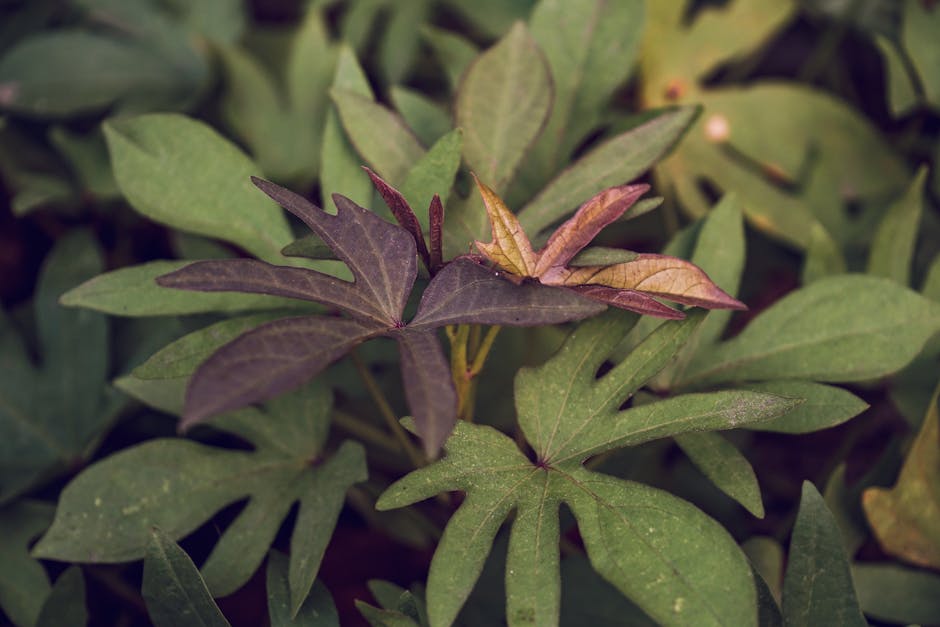
Ipomoea batatas: Botanical Characteristics, Cultivation, and Post-Harvest in Temperate Climates
Master sweet potato (Ipomoea batatas) cultivation: from variety selection and environmental conditions to harvesting and storage techniques.

Seed Viability: Critical Factors, Advanced Storage, and Climate Resilience
Seed preservation: optimize viability with drying, refrigeration, and monitoring. Secure your genetic heritage.

Nourish Your Garden: Crafting Potent Homemade Organic Fertilizers for Thriving Plants
Learn how to create effective homemade organic fertilizers, enhancing soil health and boosting plant growth sustainably in your garden.

Drip Irrigation: Water Efficiency and Plant Development in Horticulture
Enhance water use in horticulture and gardening with drip irrigation systems. Discover its benefits and components.