Legumes in the Home Garden: Sustainable Cultivation and Nutritional Benefits
Learn to grow legumes like beans, peas, and lentils to enhance your diet and garden soil fertility.
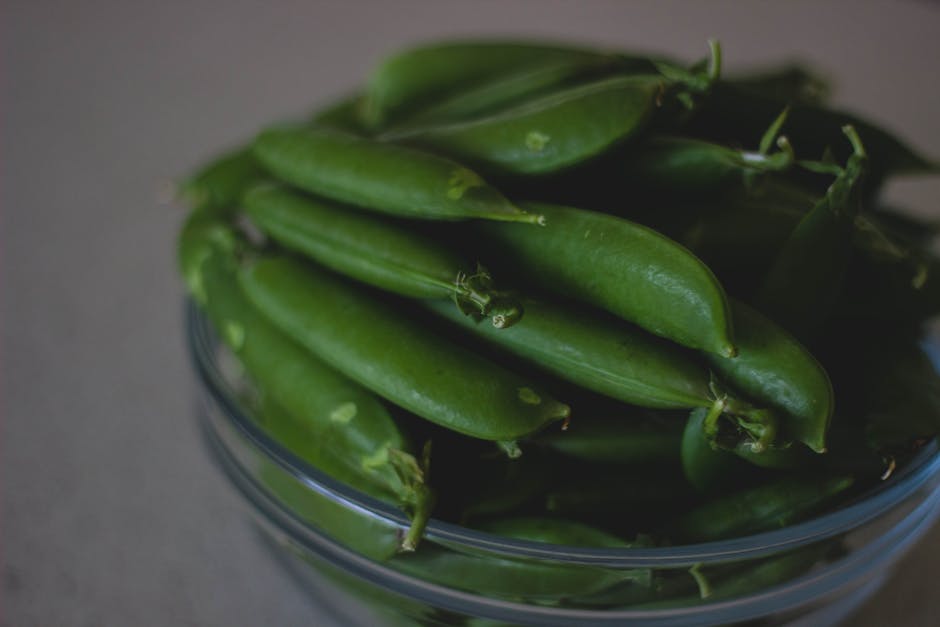
Benefits and Initial Considerations for Growing Legumes
The cultivation of legumes in the home garden is a practice with multiple benefits, both for diet and soil health. Beans, peas, and lentils are examples of these versatile species, valued for their nutritional contribution and their ability to improve soil fertility. Integrating them into the garden’s scheme is an intelligent strategy for achieving a more balanced and productive ecosystem. These plants, belonging to the Fabaceae family, not only offer an economical and sustainable source of protein and fiber but also act as fundamental allies in agricultural sustainability.
To begin growing legumes, soil preparation is a crucial step. These plants prefer well-drained soils with a loose texture and a neutral to slightly acidic pH (between 6.0 and 7.0). Incorporating organic matter, such as mature compost, enriches soil structure, improves moisture retention, and provides initial nutrients. Direct sowing is the most common method for most legumes. In the Southern Cone, spring is the ideal time for beans and peas, while lentils are often sown in late autumn or early winter in temperate climates, or in early spring in colder areas, to be harvested before intense heat. It is crucial to respect the recommended sowing depth for each species, generally between 2 and 5 centimeters, and maintain adequate spacing to allow for optimal root and aerial development. A good practice is the inoculation of seeds with bacteria from the genus Rhizobium, commercially available, which enhance the legumes’ ability to fix atmospheric nitrogen into root nodules, a key process for their growth and soil fertility. For more information on sowing and initial management, specialized resources such as those from the National Agricultural Technology Institute (INTA) in Argentina can be consulted, offering detailed guides for the home garden: https://www.inta.gob.ar/documentos/el-cultivo-de-legumbres-en-la-huerta-organica.
Soil Preparation and Optimal Sowing of Legumes
Crop management demands attention to several factors. Irrigation is fundamental, especially during flowering and pod development. Deep, less frequent watering is preferable to continuous shallow watering, avoiding waterlogging which can promote fungal diseases. Peas and some varieties of climbing beans benefit greatly from the use of stakes or trellises, allowing them to grow vertically, improving aeration and facilitating harvest. Weed control is essential in the early stages to prevent competition for nutrients and light. Organic methods such as mulching with straw or plant debris not only suppress weeds but also conserve soil moisture and add organic matter. Regarding pest and disease control, regular observation is key. Aphids, red spider mites, and some caterpillars are common. They can be managed with organic solutions like potassium soap or neem extracts. Crop rotation is also an effective preventive strategy, as it disrupts the life cycles of specific soil pests and pathogens.
The harvest of legumes varies by species and desired use. Peas can be picked young for fresh consumption when the pods are full and turgid, but still green. If the goal is to obtain dry seeds, they are left to mature completely on the plant until the pods dry out and the seeds inside harden. Beans are harvested similarly: green for consumption as string beans, or dried when the pods are brittle. Lentils are harvested when the plants have almost completely dried and the pods have acquired a yellowish or brownish color. It is important to harvest on a dry day to avoid moisture-related issues. Once harvested, legumes for drying should be spread out in an airy, shaded place to complete the drying process. Proper drying is crucial for successful storage, which should be done in airtight containers, in a cool, dark place, to protect them from humidity and storage pests like weevils. For more tips on growing and harvesting various vegetables, Infojardin is a reliable source of information: https://www.infojardin.com/.
Agronomic Management: Irrigation, Support, and Weed Control
Incorporating legumes into the home garden not only diversifies food production but also enriches the soil naturally. Their nitrogen-fixing ability reduces the need for synthetic fertilizers, promoting more sustainable and ecological horticulture. This practice contributes to the soil’s nutrient cycle, benefiting subsequent crops and fostering a more resilient garden ecosystem. Growing legumes is a rewarding experience that connects the gardener with natural cycles and provides nutritious food directly from the earth.
Related Articles

Edible Fruit Hedgerows: Design, Species Selection, and Sustainable Management
Integrate aesthetics and production with edible fruit hedgerows: species selection, strategic design, organic management, and ecological benefits for resilient gardens.

Integrated Bacterial Disease Management in Tomato Crops
Preventive, cultural, biological, and technological strategies for controlling *Xanthomonas*, *Pseudomonas*, and *Clavibacter* in tomatoes.

Urban Citrus Cultivation in Containers: Selection, Management, and Technological Advancements
Optimize potted citrus cultivation with substrate, irrigation, nutrition, and pest control techniques for successful urban harvests.

Noni Cultivation: Agronomy, Phytosanitary Management & Bioactive Potential
Details Noni cultivation techniques, pest control, and bioactive component analysis, addressing its agronomic viability and scientific evidence.