Home Medicinal Garden: Cultivating, Harvesting, and Preserving Beneficial Herbs
Learn to cultivate medicinal plants at home, from selection to harvest, for natural well-being within reach.
Species Selection and Botanical Requirements
The growing interest in natural well-being and self-care autonomy has spurred a resurgence in home cultivation of medicinal plants. This practice, rooted in ancient traditions, is now adapting to urban environments, offering a tangible connection with nature and an accessible source of botanical resources. From a balcony in Buenos Aires to a small garden in the countryside, the ability to have beneficial herbs readily available is a reality for many.
Species Selection and Basic Requirements
Choosing the right plants is fundamental for the success of a home medicinal garden. Some species are particularly resilient and adapt well to diverse climates and growing conditions, making them excellent starting points for gardeners of all levels. Considering the specific light, soil, and water needs of each plant is crucial for their optimal development.
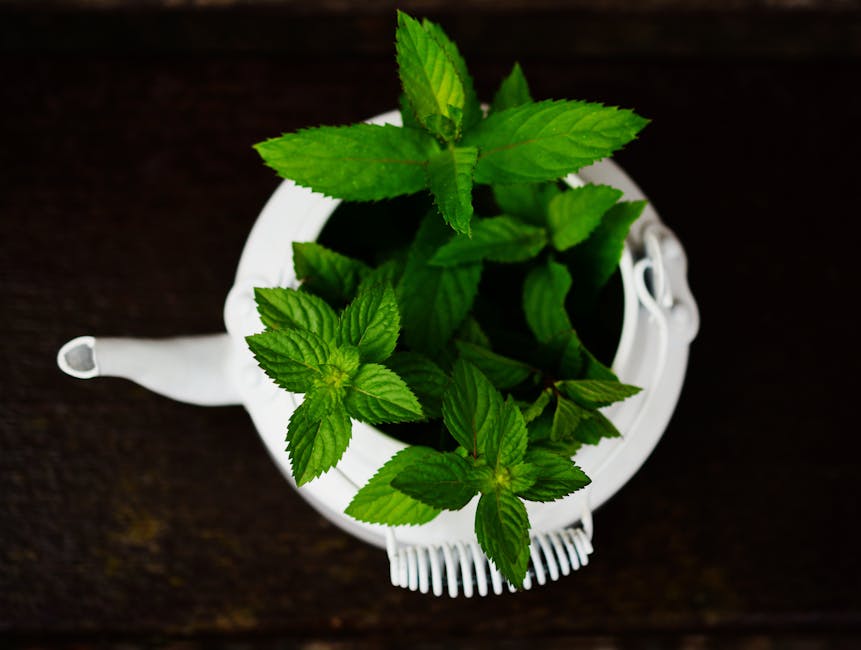
Mint (Mentha spicata) is an easy-to-grow aromatic herb, ideal for digestive teas or relieving headaches. It prefers partial shade and moist, well-drained soil, and tends to spread vigorously, making container gardening a practical option to control its growth. It propagates easily from cuttings or runners.
Chamomile (Matricaria chamomilla) is recognized for its calming and anti-inflammatory properties. It requires full sun exposure and light soil. Its small white flowers, harvested when fully open, are the primary medicinal resource. It is an annual plant that is easily sown from seed in spring.
Lavender (Lavandula angustifolia) not only beautifies the garden with its purple flowers and fragrance but also possesses relaxing and antiseptic effects. It prefers full sun and well-drained soil, even somewhat poor soil. It is drought-tolerant once established and propagates from cuttings or seeds. Its dried flowers are excellent for sachets or teas.
Aloe Vera (Aloe barbadensis miller) is a popular succulent known for its healing and anti-inflammatory gel, useful for minor burns or skin irritations. It needs plenty of indirect sunlight and moderate watering, allowing the substrate to dry completely between waterings to prevent root rot. It reproduces easily from the offshoots it produces at its base.
Cultivation Strategies and Substrate Management
Rosemary (Rosmarinus officinalis) is a Mediterranean plant with antioxidant and stimulating properties. It demands full sun and well-drained soil, tolerating drought. It is ideal for border edges or large pots. Its leaves are used fresh or dried in teas and as a culinary seasoning. It can be propagated from seeds or woody cuttings. For more details on the properties of these and other plants, resources like Botanical-Online can be consulted: https://www.botanical-online.com/.
Cultivation Strategies for the Home Garden
Successful cultivation of medicinal plants involves understanding and applying specific techniques that optimize their growth and the concentration of their active principles. Substrate preparation, watering regimen, and sunlight exposure are determining factors.
The ideal substrate for most of these plants should be a well-aerated mixture with good drainage. A combination of garden soil, organic compost, and perlite or coarse sand provides optimal conditions. Homemade compost is an excellent source of nutrients and improves soil structure, reducing the need for chemical fertilizers. To learn how to make compost, La Huertina de Toni offers practical guides: https://www.lahuertinadetoni.es/.
Watering should be adjusted to the needs of each species. While mint requires constant moisture, plants like lavender and rosemary prefer to dry out between waterings. Overwatering is as detrimental as underwatering, as it can cause fungal diseases and root rot. It is advisable to check substrate moisture by inserting a finger before watering.
Sunlight is a critical factor. Most medicinal plants thrive with at least 6 hours of direct sun per day, but some, like mint, benefit from partial shade during the most intense summer hours. Understanding these requirements ensures vigorous growth and a higher production of active compounds.
Pest control is preferably managed with organic methods. Crop rotation, the use of companion plants (like calendula or basil that repel insects), and the application of natural preparations such as neem oil are effective strategies for maintaining garden health without resorting to harmful chemicals. Regular pruning is also essential to encourage dense and productive growth, removing dry or diseased leaves and stimulating new shoot development.
Harvesting Techniques and Preservation Methods
Optimal Harvesting and Preservation Methods
The efficacy of medicinal plants largely depends on the timing and technique of harvest, as well as a correct preservation process. These steps ensure that the active principles remain intact and ready for use.
The harvest time varies depending on the part of the plant to be used. Leaves are generally harvested before flowering, when the concentration of essential oils is highest, preferably in the morning after the dew has dried. Flowers, such as those of chamomile or lavender, are collected when fully open. Roots, on the other hand, are extracted in late autumn or early spring, when the plant is dormant and nutrients are concentrated within them.
For drying, herbs are grouped into small bundles and hung upside down in a dark, dry, and well-ventilated place. Alternatively, they can be spread out on a mesh or tray. It is essential to avoid direct sunlight, which can degrade active compounds and color. Food dehydrators are also an efficient option, with temperatures adjusted to low settings (no more than 40°C or 104°F) to preserve properties. Proper drying is crucial to prevent mold and ensure a long shelf life.
Once dried, herbs should be stored in airtight, dark glass containers, in a cool place protected from light. Labeling each container with the plant’s name and harvest date is good practice to ensure freshness and avoid confusion. With proper preservation, most dried herbs maintain their properties for at least one year.
It is important to remember that while home cultivation of medicinal plants is rewarding, it does not replace professional consultation. For any health condition or doubt regarding the use of these plants, seeking advice from a doctor or herbalist is recommended. Accurate species identification is also vital to avoid confusion with toxic plants. For additional information on cultivation and use, Infoagro can be consulted: https://www.infoagro.com/.
Cultivating medicinal plants at home offers an enriching way to integrate nature into daily life and foster a holistic approach to well-being. With a little dedication and knowledge, it is possible to transform any space into a small green pharmacy, enjoying the benefits these botanical wonders have to offer.
Related Articles

Hass Avocado: Genetics, Management, Postharvest for Sustainable Production
Optimizing Hass avocado genetics, water, nutrition, and postharvest for improved resilience, quality, and productive efficiency.

Attracting Pollinators to Your Garden: Strategies for Biodiversity and Productivity
Learn how to create a pollinator haven in your garden with native plants and sustainable practices to boost food production.
Citrus Cultivation in Containers: Species, Substrates, and Environmental Management
A comprehensive guide to growing citrus in pots, covering species selection, substrates, nutrition, watering, and environmental factors for urban horticulture.
Aromatic Herb Cultivation: Environmental Factors, Propagation, and Preservation
Scientific guide on light, substrate, watering, and temperature requirements for successful home cultivation of aromatic herbs.