Children's Gardening: Fostering Development and Nature Connection
Learn how children's gardening promotes holistic development, curiosity, and environmental respect in kids.
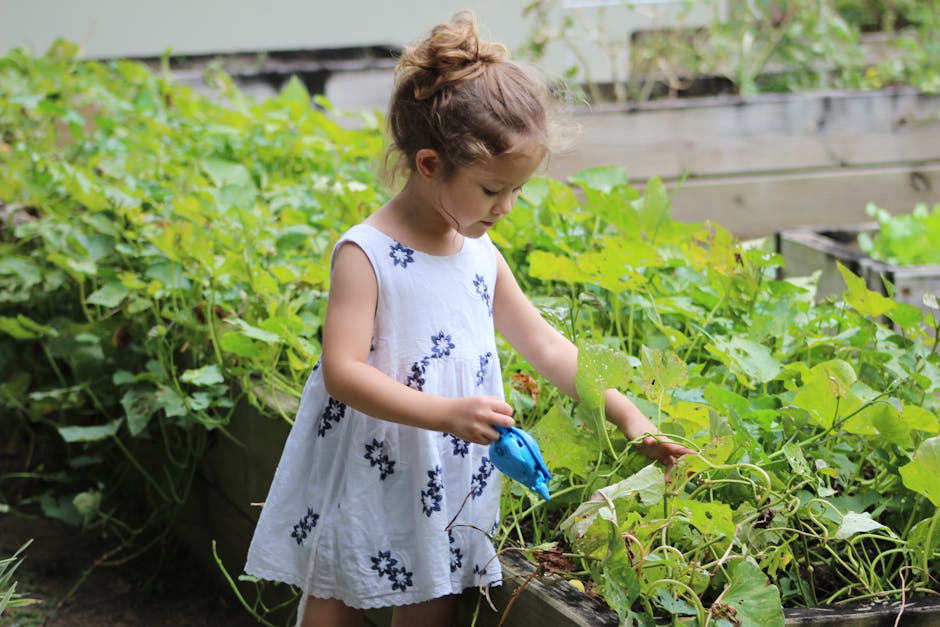
Preparing the Space and Tools for Children’s Gardening
The connection with nature from an early age offers countless benefits for child development. Gardening, in particular, stands out as an educational and enriching activity that fosters curiosity, patience, and respect for the environment. In an increasingly digital world, offering children the opportunity to get their hands dirty and observe the life cycle of a plant, from seed to harvest, is an invaluable gift. This practice not only stimulates learning of biological concepts but also promotes fine motor skills, problem-solving, and teamwork, if done as a family or group activity.
Creating a safe and accessible environment is fundamental to introducing young children to the world of gardening. A large plot of land is not required; a balcony, a pot on the patio, or even a sunny windowsill can be transformed into their first garden. The choice of location should ensure good sun exposure (at least 4-6 hours daily for most plants) and easy accessibility for the child. Regarding tools, it is crucial to opt for versions adapted to their size and safety. Small plastic or lightweight metal trowels, rakes, and watering cans, without sharp edges, are ideal. Children’s gardening gloves protect their hands and instill safety habits. A defined workspace, such as a low planting table or a specific garden section, helps children feel it is “their” own project, increasing their sense of responsibility and ownership. It is advisable to use containers of different sizes and shapes, which adds a playful element and allows for experimentation with various species. Preparing the soil mix is another essential step; a blend of fertile soil and compost ensures a good start for the plants.
Selecting Quick-Gratification and Learning Crops
The key to maintaining children’s interest lies in choosing plants that grow quickly and yield visible results. Species like radishes, which germinate in a few days and are ready for harvest in less than a month, are excellent for introducing the concept of the life cycle. Leaf lettuces, spinach, or Swiss chard also offer quick rewards. For more playful projects, carrots or potatoes, which grow underground, build great anticipation for the “excavation” moment. Herbs like mint, oregano, or parsley are hardy, easy to care for, and their aromas stimulate the senses. A popular project is the “mini-herb garden” in recycled pots, where each child decorates their own container before planting. Another is the “butterfly garden,” planting species that attract pollinators such as lavender or calendula, which also introduces concepts of biodiversity. Germinating seeds in damp cotton inside a transparent jar is a classic activity that allows observation of roots and the first sprouts, a fascinating preliminary step before transplanting. For more ideas on ideal beginner plants, resources like Infojardin https://www.infojardin.com/ or La Huertina de Toni https://lahuertinadetoni.es/ can be consulted.
Gardening with children does not end with planting. The daily care of the plants is where many learnings are consolidated. Watering, observing growth, identifying small pests or the appearance of diseases (and how to manage them naturally, for example, with soapy water) are tasks that develop attention and responsibility. A “garden journal” can be created where children draw and note their observations: when they watered, what changes they noticed, the height of the plants. This encourages writing and data recording. Harvesting is the culmination, a moment of celebration where effort turns into tangible reward. Preparing a salad with lettuce they grew themselves or using the herbs in a home-cooked meal reinforces the link between the garden and the table, and can even encourage children to try new foods. Understanding that plants need light (photosynthesis), water, and nutrients (soil) becomes a practical lesson. Observing local flora, such as jacaranda trees in bloom in Buenos Aires, can serve as a trigger to discuss seasonal cycles and the importance of each species in the ecosystem.
Monitoring Development and Harvest: Consolidating Learning
Involving children in gardening is much more than a simple recreational activity; it is an investment in their holistic development. It allows them to forge a deep connection with the natural world, understand life cycles, and develop a sense of responsibility and patience. From choosing seeds to the delicious harvest, each stage of the process offers valuable lessons and memorable moments. By providing them with the right tools, a safe space, and age-appropriate projects, the seed of a lasting interest in nature and caring for the planet is sown. Family gardening thus becomes an enriching experience that nourishes both the plants and those who cultivate them.
Related Articles
Children's Gardening: Fostering Development and Connection with Nature
Learn how home gardening enhances cognitive, motor skills, and essential values in children. A practical guide to getting started.

Family Garden: Practical Learning and Sustainability in Urban Settings
Learn how a family garden in Argentina becomes an educational tool, promoting connection with nature and healthy eating.

Domestic Greenhouse Construction: Environmental Control and Plant Cultivation Principles
Understand the fundamental principles and practical steps for constructing a functional homemade greenhouse, optimizing microclimates for diverse plant growth.

Harvest Abundance: Your Guide to Thriving Beans, Peas, and Lentils in the Home Garden
Unlock the secrets to cultivating nutrient-rich beans, peas, and lentils, enriching your soil and your plate with this comprehensive guide.