Squash Cultivation: Techniques for an Abundant Harvest in Your Garden
Comprehensive guide to growing squash, from seed selection to harvest and storage.

Variety Selection and Soil Preparation for Squash Cultivation
Growing squash is a rewarding activity for any gardening enthusiast, from beginners to experienced gardeners. In fertile soils or small urban spaces, squash offers remarkable adaptability and generous yields. Its culinary versatility, featured in everything from stews and soups to desserts, makes it a favorite on tables worldwide. Understanding the fundamental principles of its development ensures an abundant and satisfying harvest, integrating sustainable practices with the garden’s natural cycle.
The selection of the right variety is the critical first step. There are numerous species of Cucurbita, such as Acorn squash, Zucchini, or Butternut squash, each with specific characteristics regarding size, flavor, and disease resistance. Well-drained soil rich in organic matter is essential for vigorous squash growth. It is recommended to prepare the ground with compost or organic fertilizer before planting. The ideal time to start cultivation in many regions is early spring, once the risk of frost has passed and the soil temperature remains above 15°C (60°F). Direct sowing of seeds, at a depth of 2-3 centimeters (about 1 inch), is the most common method, with a spacing of at least 1.5 to 2 meters (5-6.5 feet) between plants, due to their sprawling growth habit. Some more compact varieties may require less space, allowing them to thrive even in large containers.
Watering, Nutrition, and Crop Environment Management
Adequate watering is fundamental, especially during flowering and fruit development. Deep, regular watering is suggested, avoiding wetting the leaves to prevent fungal diseases. A drip irrigation system can be particularly efficient in this regard, conserving water and directing moisture directly to the roots. Squash nutrition benefits significantly from the incorporation of compost or worm castings every 4-6 weeks. This provides the necessary nutrients for robust development and abundant production. Weed control is another important aspect, as weeds compete for water and nutrients. Mulching with straw or wood chips not only helps suppress weeds but also conserves soil moisture and moderates soil temperature. Some squash varieties, especially those with large fruits, may benefit from some form of support or trellising to keep the fruits elevated off the ground, reducing the risk of rot and optimizing garden space. Pollination is a vital process; the presence of bees and other pollinators is crucial. Avoiding the use of pesticides that can harm these beneficial insects is a recommended practice.
Squash, like many other garden plants, can be susceptible to certain pests and diseases. Aphids are a common pest that can be managed with organic solutions like potassium soap. Powdery mildew, a fungal disease that appears as a white powder on the leaves, is another frequent concern, especially in high humidity conditions. Good air circulation between plants and the application of organic fungicides based on sulfur or baking soda can help control it. Crop rotation is an effective preventive strategy that reduces the accumulation of soil-borne pathogens. Regular plant inspections allow for early detection and timely intervention, minimizing the impact on the harvest.
Identification and Control of Common Pests and Diseases
Squash is harvested when the fruits have reached their characteristic size and the rind has hardened, displaying a uniform, deep color, typically in autumn. A clear indication is the drying of the stem connecting the fruit to the plant. For harvesting, a sharp knife or pruning shears are used, leaving a piece of stem about 5-10 centimeters (2-4 inches) attached to the squash. This is crucial for its storage life, as an intact stem helps prevent the entry of pathogens and rot. After harvesting, squash benefit from a ‘curing’ period in a warm, sunny location for one to two weeks. This process further hardens the rind and improves its storage capacity. Once cured, squash can be stored in a cool, dry, dark place, where they can be kept for several months, ready to be enjoyed in various culinary preparations.
Growing squash is an enriching experience that connects the gardener with the natural cycle of the earth and provides fresh, nutritious food. From seed selection to fruit harvesting, each stage offers an opportunity to learn and refine horticultural techniques. With proper planning, consistent attention, and the use of sustainable practices, it is possible to achieve a generous harvest that enriches both the table and the spirit of the grower. The reward of watching your own squash grow and enjoying it is a testament to the patience and care dedicated to the garden.
Related Articles

Revolutionize Your Harvest: Why Crop Rotation is Your Garden's Secret Weapon
Learn how strategic crop rotation boosts soil health, prevents pests, and ensures bountiful harvests in your home garden.

Seed Conservation: Securing Future Harvests and Biodiversity
Learn essential techniques for preparing, drying, and storing seeds, ensuring viability for future plantings and food autonomy.
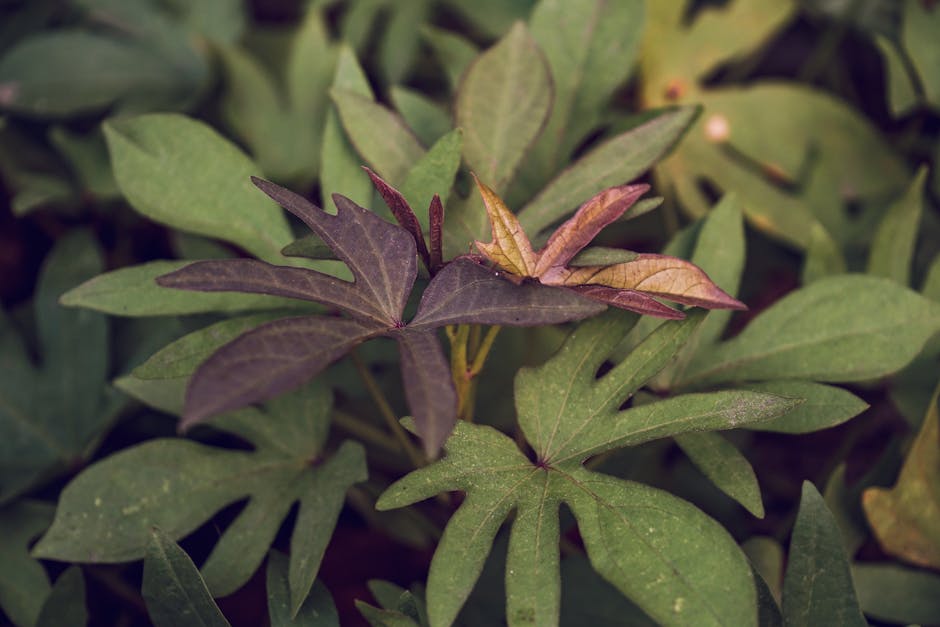
Ipomoea batatas: Botanical Characteristics, Cultivation, and Post-Harvest in Temperate Climates
Master sweet potato (Ipomoea batatas) cultivation: from variety selection and environmental conditions to harvesting and storage techniques.

Olive Cultivation in Argentina: Climate, Soil, and Management for a Successful Harvest
Understand the climatic, soil, and agronomic management requirements for successful olive cultivation in Argentina.