Cut Flowers: Selection and Cultivation for Long-Lasting Arrangements
Learn how to select and cultivate the best cut flowers for enduring bouquets using effective growing and harvesting techniques.
Selecting Floral Species for Lasting Harvest
The practice of growing flowers to beautify the home is a deeply rooted tradition, merging a passion for gardening with aesthetic pleasure. Bringing the garden’s beauty indoors through fresh, vibrant bouquets transforms any space, infusing it with life and color with a personal touch. This approach not only enhances decor but also offers the satisfaction of harvesting nature’s wonders directly. The appropriate selection of species and the application of specific cultivation techniques are fundamental to ensuring each flower reaches its full splendor and endures in the vase. Exploring the most suitable varieties and mastering care methods guarantees a constant source of floral inspiration.
The choice of the right flowers forms the foundation for obtaining long-lasting and aesthetically pleasing bouquets. Certain varieties are distinguished by their sturdy stems, petal longevity, and extended vase life. Among the most valued options are Roses, timeless classics offering immense diversity in colors and fragrances. To ensure their vigor, it is crucial to select varieties resistant to common diseases in the Río de la Plata region and provide them with well-drained soil and ample sunlight.
Lisianthus, with its delicate yet surprisingly resilient appearance, is another exceptional choice. Its flowers, reminiscent of roses or poppies, come in shades ranging from pure white to deep purples, and their vase life can extend for several weeks. It requires fertile soil and consistent watering, but without waterlogging.
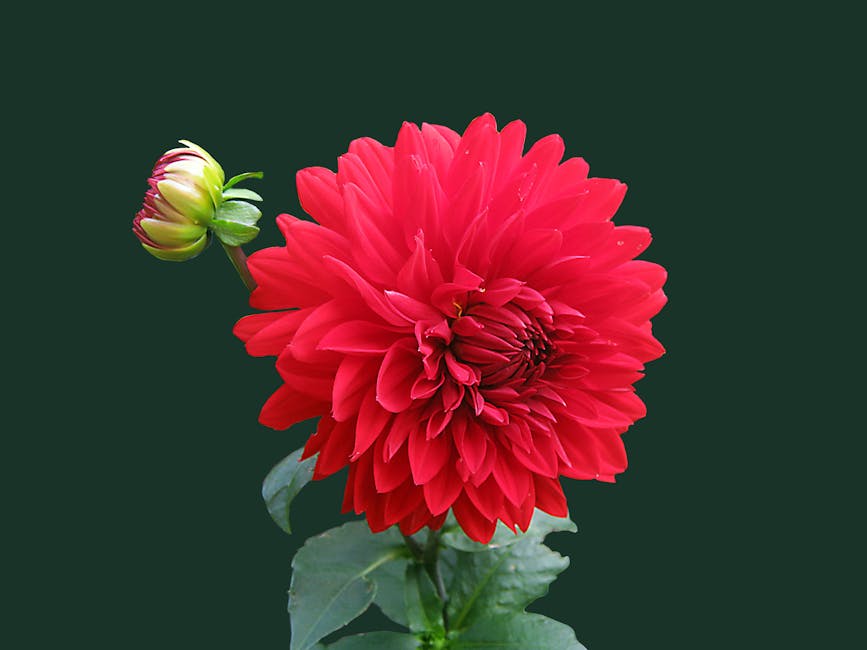
Dahlias offer an explosion of color and form, from tiny pom-poms to impressive ‘dinner plate’ varieties. Successful cultivation demands soil rich in organic matter and adequate protection against frost, especially in areas with harsh winters. Pruning side shoots stimulates the production of larger flowers with longer stems, ideal for cutting.
Zinnias, with their vibrant color palette and ease of cultivation, are excellent for both beginners and experienced gardeners. They bloom profusely throughout summer and fall, and the more they are cut, the more flowers they produce. They tolerate a wide range of conditions, though they prefer full sun and well-drained soil.
Carnations, recognized for their spicy aroma and ruffled petals, are traditional cut flowers with remarkable durability. They adapt well to temperate climates and require alkaline soil and good air circulation to prevent fungal diseases.
Optimal Cultural Practices for Floral Production
Gladioli, with their majestic floral spikes, add verticality and drama to any arrangement. Cultivating them from corms in spring allows for staggered blooming if planted at intervals. They need full sun and support for their tall stems.
For additional information on cut flower varieties adapted to different climates, specialized resources such as Infojardín can be consulted.
Success in cut flower production depends not only on species selection but also on the application of optimal cultural practices. Soil preparation is a critical step; a substrate rich in organic matter, with good drainage and aeration, promotes strong root development. Incorporating mature compost before sowing or planting significantly improves soil structure and fertility, providing essential nutrients gradually.
Sunlight exposure is another determining factor. Most cut flowers thrive in locations that receive at least six hours of direct sun daily. Insufficient light can result in weak stems and sparse blooming.
Watering should be consistent, especially during periods of active growth and flowering. Deep, spaced watering, rather than frequent shallow sprinkles, encourages roots to grow deeper, making the plant more resistant to drought periods and improving stem quality. It is crucial to avoid waterlogging, which can foster root diseases.
Supplemental nutrition is vital. A balanced fertilizer, applied according to the manufacturer’s recommendations and the specific needs of each species, promotes vigorous growth and abundant flowering. Fertilizers with a higher potassium content can be beneficial during the flowering phase.
Harvesting and Post-Harvest Techniques
Managing pests and diseases using organic methods is preferable for maintaining a healthy garden. Regular plant inspection, crop rotation, and the use of natural insecticides or traps can prevent major problems. For example, Neem oil is effective against various common pests without harming pollinators.
For tall-stemmed varieties, such as Gladioli or certain Dahlias, staking or support is essential. This prevents stems from bending or breaking due to wind or the weight of the flowers, ensuring a straight, usable structure for the vase.
The timing and technique of harvest directly influence the durability of cut flowers. The ideal time to cut flowers is in the early morning, after the dew has evaporated, or in the late afternoon. At these times, plants are fully hydrated, and their energy reserves are optimal, contributing to a longer vase life.
The stage of maturity of the flower at the time of cutting is crucial and varies by species. For instance, Roses are cut when the flower bud is about to open, showing a quarter of its petals. Lisianthus can be harvested when one or two of its lower buds are open. Zinnias and Dahlias, on the other hand, are cut with the flowers fully open but still firm. An incorrect cut or cutting at the wrong time can drastically shorten their lifespan.
For cutting, it is essential to use sharp, disinfected tools, such as pruning shears or floral knives. A clean cut prevents tearing plant tissues, minimizing stress and pathogen entry. The cut should be made at a 45-degree angle to increase the water absorption surface area.
Immediately after cutting, any leaves that would be submerged in vase water should be removed. These leaves, upon decomposition, contaminate the water and promote bacterial growth, which clogs stems and reduces water uptake. Subsequently, the flowers should be quickly placed in a container with fresh, clean water, preferably with a floral preservative. This preservative provides nutrients and helps inhibit bacterial growth.
Final Considerations for Cut Flower Cultivation
Before placing flowers in the final vase, re-cutting the stems under water is recommended. This practice, known as “underwater cutting,” prevents air bubbles from forming in the vascular tissues, ensuring continuous hydration.
For temporary storage, a cool, dark place is ideal. Some flowers may benefit from a “hardening off” period in room-temperature water for a few hours before being arranged or moved to a warmer environment.
The dedication to growing cut flowers is a rewarding investment that beautifies both the garden and the home. From meticulous species selection to the application of precise harvesting and post-harvest techniques, each stage contributes to creating floral arrangements that endure over time, sharing the freshness and vitality of the outdoors. Experimenting with different varieties and adapting care to local conditions will allow every gardener to discover a world of possibilities to enrich their spaces and enjoy their connection with nature. The reward of a bouquet made with one’s own hands is immeasurable, a constant reminder of the beauty that can be cultivated.
Related Articles

Integrating Aromatic Plants into Sustainable Urban Landscape Design
Explore the selection, cultivation, and management of fragrant species to create unique sensory atmospheres and enhance urban living.

Prosopis affinis: Morphology, Propagation & Agroforestry
A study of the ñandubay tree: its morphology, distribution, propagation techniques, water requirements, and role in ecological restoration and agroforestry.
Comparative Analysis: Traditional Lunar Planting vs. Modern Agronomic Principles
Examining the scientific validity of lunar planting cycles, this post delves into critical agronomic principles that underpin successful crop cultivation.

Cicada Biological Cycle and Ecological Management in Arboreal Ecosystems
Analyzing cicada oviposition and feeding effects on arboreal health, this post details integrated management and botanical resilience mechanisms.