Home Gardening: Well-being, Savings, and Sustainability at Your Fingertips
Learn how a home garden enhances your health, reduces expenses, and benefits the environment. A practical guide to starting today.

Physiological and Psychological Benefits of Home Horticulture
Modern life, with its accelerated pace and increasing urbanization, often distances us from a fundamental connection with nature. However, more and more people are discovering the profound benefits of establishing a home garden, a green space that not only provides fresh food but also enriches life in unexpected ways. From balconies in the heart of Buenos Aires to backyards in the suburbs, the home garden presents itself as an accessible opportunity to reconnect with the cycle of life, improve our diet, and contribute to a more conscious lifestyle. This article explores how the practice of domestic horticulture can transform your well-being, your finances, and your environment.
Positive Impact of Home Gardening on Physical and Mental Health
Cultivating our own fruits, vegetables, and aromatic herbs offers direct health advantages. By having a home garden, you ensure access to fresh produce, free from pesticides and harvested at peak ripeness, which enhances their nutritional value and flavor. The difference between a freshly cut lettuce and one that has traveled hundreds of miles is undeniable. This self-consumption promotes a more balanced diet rich in essential nutrients.
Beyond nutrition, horticulture is a moderate physical activity that involves movements such as digging, planting, and watering, contributing to daily exercise and improved coordination. Furthermore, contact with the earth and the natural environment has proven to be a potent ally for mental health. Gardening reduces stress and anxiety levels, fosters concentration, and offers a sense of accomplishment and purpose. The simple observation of a seed growing into a mature plant can be profoundly rewarding and meditative. Many people find in caring for their garden a refuge from routine, a space for reflection and tranquility. Exposure to sunlight, essential for vitamin D synthesis, is also an additional benefit of this outdoor practice.
Economic and Environmental Impact of Home Food Production
Financial Savings and Contribution to Environmental Sustainability
Establishing a home garden represents an effective strategy for reducing household expenses. Producing frequently consumed vegetables, such as Swiss chard, spinach, tomatoes, or peppers, can generate significant savings throughout the year. Moreover, the initial investment in seeds or seedlings and basic tools is minimal compared to the value of the food that can be obtained. The ability to harvest what you need, when you need it, also reduces food waste.
From an environmental perspective, the home garden is a pillar of sustainability. By growing our own food, we decrease the carbon footprint associated with transporting products from distant locations and the use of plastic packaging. Implementing practices like home composting transforms organic kitchen waste into nutrient-rich fertilizer for the soil, closing the material cycle and reducing the amount of garbage sent to landfills. This not only improves soil fertility but also contributes to climate change mitigation. Fostering biodiversity in the garden by attracting pollinators like bees and butterflies is another key benefit, supporting local ecosystems and the overall health of the planet.
Skill Development and Community Strengthening
Developing Competencies and Social Bonds Through Gardening
Creating and maintaining a home garden is a continuous learning experience. For adults, it represents an opportunity to acquire knowledge about botany, entomology, soil management, and crop cycles. One learns techniques for planting, efficient watering, organic pest and disease control, and observes firsthand how nature responds to different care methods. Resources such as those from INTA (National Agricultural Technology Institute) in Argentina offer valuable guides for gardeners of all levels.
For families, the garden is an exceptional pedagogical tool. Children can actively participate in the process, from planting seeds to harvesting, developing patience, responsibility, and a deep understanding of the origin of their food. This connection with the source of food can foster healthier eating habits. Additionally, the garden can be a meeting point and a place for collaboration. Sharing surplus harvests with neighbors, exchanging seeds or seedlings, or simply discussing gardening experiences strengthens community ties. The garden thus becomes a catalyst for social interaction and collective learning, building networks of support and knowledge in the neighborhood.
First Steps to Establishing a Productive Home Garden
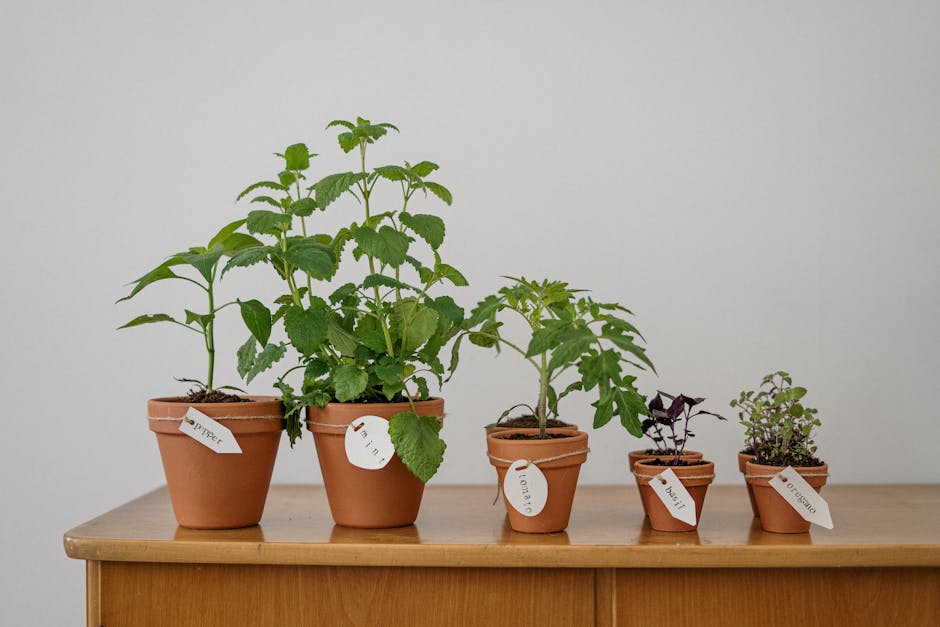
For those wishing to embark on this rewarding adventure, starting a home garden is simpler than it seems. The key lies in selecting a suitable space, preferably with at least 5-6 hours of direct sunlight per day. It is not necessary to have a large plot of land; pots, recycled containers, or raised beds on balconies and terraces are perfectly viable options for urban horticulture.
Practical Considerations for Establishing Urban Gardens
It is advisable to start with short-cycle crops that are relatively easy to care for, such as lettuce, spinach, Swiss chard, radishes, or aromatic herbs like parsley and basil. Soil preparation is fundamental: a mixture rich in organic matter will ensure good root development. Homemade compost is ideal for this purpose. An efficient irrigation system, such as drip irrigation, can optimize water usage, a precious resource. Furthermore, it is important to consider crop rotation to maintain soil fertility and prevent the buildup of specific pests and diseases. Constant monitoring of plants and the application of biological control methods, such as using beneficial insects or natural traps, are crucial for a healthy and productive garden. Consulting online resources from sites like Infojardín or La Huertina de Toni can provide detailed guidance for each stage of the process.
The decision to start a home garden goes beyond mere food production; it is an investment in health, sustainability, and personal and community well-being. From the pleasure of harvesting your own vegetables to the positive environmental impact and the opportunity to learn and share, the benefits are numerous and tangible. Regardless of the available space or prior experience, every small seed planted is a step towards a more connected, conscious, and rewarding lifestyle. Dare to transform a corner of your home into a productive oasis and discover the joy of growing your own food.
Related Articles

Compost Tea: Biochemical Fundamentals and Foliar Application for Soil Fertility
Uncover the science behind compost tea: its microbial composition, nutrient delivery mechanisms, and impact on soil biology for robust plant growth.

Homemade Organic Fertilization: Soil Biochemistry and Nutrient Cycles for Urban Gardens
Maximize plant nutrition with composting, vermicomposting, and homemade liquid amendments for resilient, productive soils.
Padrón Pepper Adaptation & Agronomy in New Climates
Explore climatic, soil requirements, and cultivation techniques for Padrón peppers, optimizing production and quality with sustainable methods.

Plant Adaptation and Garden Design in Dry Shade Microclimates
Enhance your garden with substrate improvement, mulching, irrigation, and resilient species selection for lush landscapes in limited light and water.