DIY Organic Fertilizers: Sustainable Nutrition for Urban Gardens
Learn how to make and use homemade organic fertilizers to improve soil health and boost your crops.

Principles of Organic Soil Nutrition
The pursuit of a healthy and productive garden, especially in urban and suburban settings, leads many gardeners to explore natural methods of soil enrichment. Homemade organic fertilizers have emerged as an effective and sustainable solution, offering a viable alternative to synthetic products. These preparations not only nourish plants in a balanced way but also enhance soil structure and microbial life, a cornerstone for the resilience of any crop. Implementing these practices represents a significant step towards more conscious and self-sufficient gardening, enabling both hobbyists and experts to achieve robust and flavorful harvests.
The essence of organic fertilization lies in feeding the soil, not directly the plant. A vibrant soil, rich in organic matter and microorganisms, is capable of breaking down nutrients and making them available to plant roots gradually and consistently. Organic fertilizers provide essential macro and micronutrients such as nitrogen (N), phosphorus (P), potassium (K), calcium (Ca), magnesium (Mg), and iron (Fe), among others. Unlike chemical fertilizers that offer a concentrated and often imbalanced dose, organic options release these elements slowly, preventing over-fertilization and nutrient leaching into groundwater. This approach fosters a healthy underground ecosystem, crucial for efficient water absorption and plant resistance to diseases. A good indicator of soil health is the presence of earthworms and a spongy, dark texture, a sign of abundant organic matter.
The preparation of liquid fertilizers at home is a simple practice that yields remarkable results. These preparations are ideal for rapid absorption and for supplementing nutrition at key stages of plant development.
- Compost Tea: This is one of the most valued elixirs. It involves steeping mature compost in non-chlorinated water (rainwater or settled tap water) for 24 to 48 hours. The usual ratio is one part compost to ten parts water. The resulting liquid, rich in microorganisms and soluble nutrients, can be applied diluted (1:5 or 1:10) directly to the soil or as a foliar spray. A useful resource for more details on this method can be found on gardening websites like Infojardin https://www.infojardin.com/.
Making Homemade Liquid Fertilizers
-
Worm Leachate: A byproduct of vermicomposting, this liquid is a concentrate of beneficial nutrients and microorganisms. It is collected from the bottom of vermicomposting systems. It is crucial to dilute it before use (generally 1:10 or more), as its concentration can be high. Regular application stimulates growth and flowering.
-
Banana Peel Fertilizer: Banana peels are an excellent source of potassium, vital for flowering and fruiting. They can be cut into small pieces and soaked in water for a week, or boiled, and the cooking water used once cooled. This fertilizer is especially beneficial for flowering plants and fruit trees. For more information on using organic waste, resources like La Huertina de Toni are excellent sources https://www.lahuertinadetoni.es/.
Applying these liquids is best done in the early morning or late evening to avoid rapid evaporation and allow for better absorption.
Beyond liquid preparations, various organic materials can be incorporated directly into the soil to contribute to its long-term fertility.
Organic Materials for Continuous Soil Improvement
-
Homemade Compost: The foundation of any organic garden. Transforming kitchen and garden waste into compost is one of the most impactful practices. Well-matured compost provides a complete range of nutrients and drastically improves soil structure, its water retention capacity, and aeration. The key is a balance between ‘green’ materials (nitrogen-rich) and ‘brown’ materials (carbon-rich), along with good aeration and moisture.
-
Mulching: Covering the soil surface with layers of organic matter (dried leaves, straw, shredded pruning debris) not only suppresses weeds and conserves moisture but also decomposes slowly, releasing nutrients and enriching the soil. It is a fundamental practice for maintaining the health of the soil ecosystem.
-
Wood Ash: Derived from untreated wood, ash is rich in potassium and calcium, and also contains micronutrients. It should be used sparingly and preferably in acidic soils, as it raises the pH. It is important that the wood has not been chemically treated.
-
Coffee Grounds: Contribute nitrogen and improve soil structure. They are slightly acidic, making them ideal for plants that prefer a lower pH, such as azaleas or blueberries. They can also be incorporated into compost.
Benefits of Sustainable Organic Fertilization
- Crushed Eggshells: An excellent source of calcium, fundamental for cell wall formation and for preventing issues like blossom end rot in tomatoes. They should be finely crushed for better assimilation.
The regular incorporation of these materials not only reduces household waste but also builds more resilient and productive soil, minimizing the need for external interventions and enhancing the natural life cycle in the garden.
Adopting the creation and application of homemade organic fertilizers is a decision that benefits both plants and the environment. This simple yet profoundly effective practice not only ensures optimal nutrition for your crops but also promotes sustainability and autonomy in gardening. Observing the vitality of your plants and the progressive improvement of the soil confirms the value of investing time in these techniques. Patience and observation will be your best allies on this path towards a healthier and more productive garden, inviting every gardener to experiment and discover the benefits of nourishing the earth with what it provides.
Related Articles
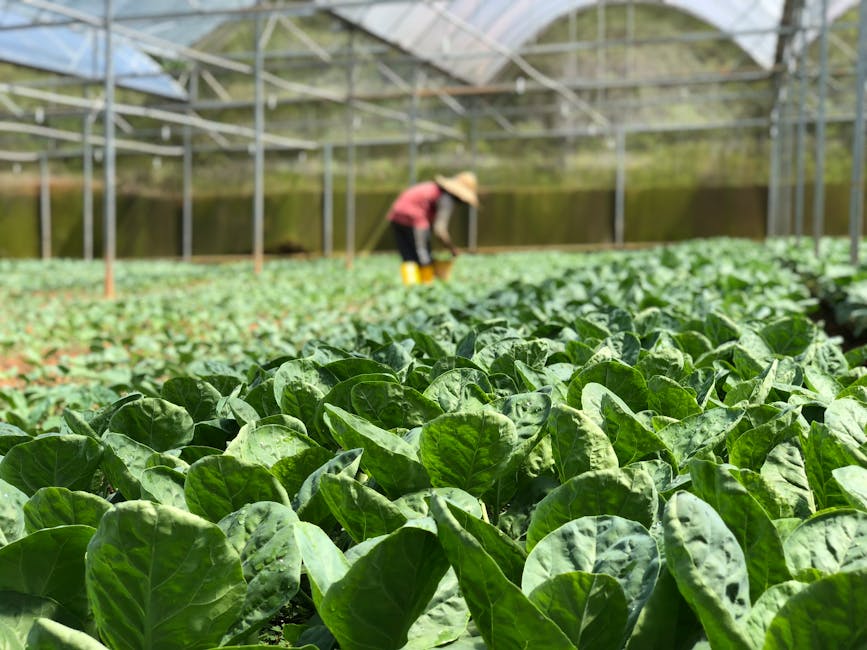
Lasagna Gardening Technique for Resilient and Biodiverse Horticultural Soils
Create fertile, resilient soils by layering organic matter, mimicking natural processes and fostering soil microbiota.

Homegrown Carrots: Preparation, Care, and Harvest for a Successful Garden
Learn essential techniques for growing quality carrots in your garden: from soil preparation to harvest and storage.

Home Garden: Nutrition, Wellbeing, and Environmental Sustainability
Understand the nutritional, psychological, and ecological benefits of establishing a home garden for a healthier, more sustainable life.
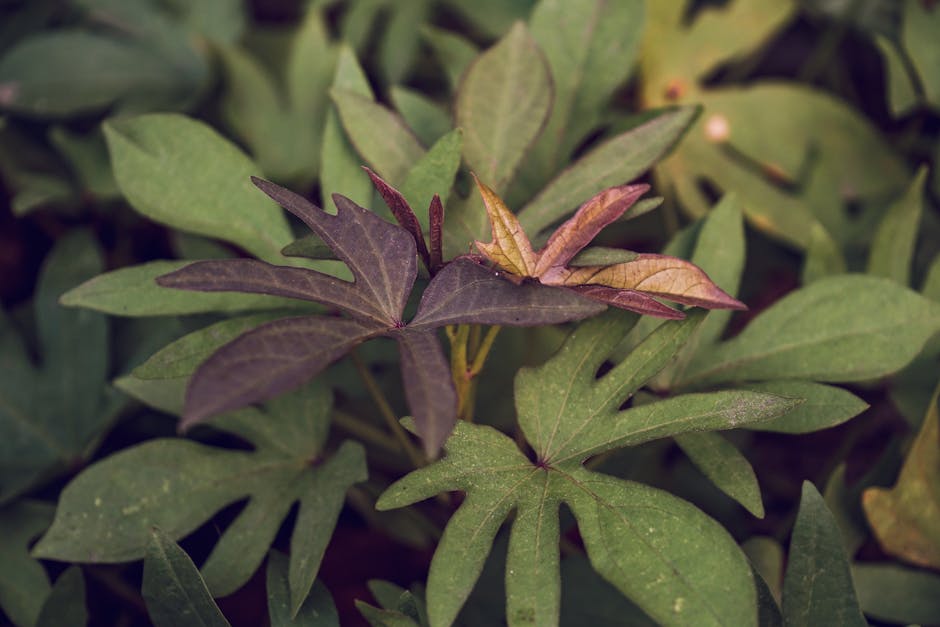
Ipomoea batatas: Edaphoclimatic Requirements and Cultivation Techniques for Sustainable Production
Understand the key factors for successful sweet potato cultivation: climate, soil, propagation, nutrition, and phytosanitary management.