Fruit Tree Cultivation: Selection, Management, and Harvest for Productive Gardens
A comprehensive guide to selecting, planting, pruning, irrigating, and harvesting fruit trees for abundant yields in your garden.
Site Selection and Preparation for Fruit Trees
The reward of harvesting fresh fruit directly from a home-grown tree is an experience that transcends the mere act of eating. It represents a deep connection with nature, a cycle of patience and care culminating in unparalleled flavors. For those new to horticulture or seeking to optimize their garden, understanding the fundamental principles for maintaining fruit trees is essential. From the initial species selection to the final harvest, each stage requires specific attention and knowledge to ensure abundant and healthy production.
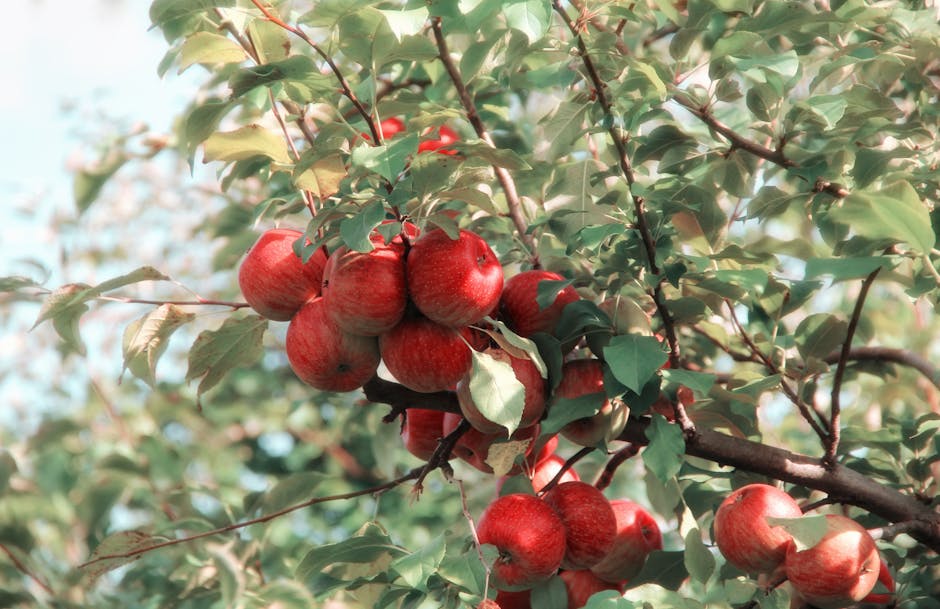
Success in fruit tree cultivation begins long before planting. Choosing the right species is crucial and must consider the local climate, available space, and the necessary chilling hours for fruit set – a significant factor in regions requiring distinct seasonal changes. It is advisable to opt for varieties adapted to your area, such as peaches, apples, or citrus, which thrive in diverse conditions. Once the species is chosen, soil preparation takes center stage. Fruit trees require well-drained soil, rich in organic matter, with a balanced pH, generally between 6.0 and 7.0. Incorporating compost or organic manure before planting significantly improves soil structure and fertility. At the time of planting, dig a hole wide and deep enough to accommodate the roots without bending them. It is vital to ensure the graft union remains above soil level and to water generously immediately after planting to settle the soil and eliminate air pockets. The spacing between trees is also key to allow for optimal development and prevent competition for nutrients and light.
Agronomic Management: Irrigation, Pruning, and Nutrition
Continuous management is what truly defines a fruit tree’s productivity and longevity. Irrigation is fundamental, especially during dry periods and at the flowering and fruit-setting stages. A drip irrigation system is highly efficient, minimizing water waste and ensuring water reaches the root zone directly. Pruning, on the other hand, is a vital practice that not only shapes the tree but also stimulates fruit production, improves air circulation, and facilitates disease detection. There are different types of pruning, such as formative pruning in the early years, fruiting pruning to stimulate flowering, and sanitary pruning to remove dead or diseased branches. The latter is crucial for the overall health of the tree. Fertilization should be a thoughtful process; soil analysis can guide the application of specific nutrients, although regular additions of compost or worm castings are often sufficient to maintain fertility. Regarding pest and disease control, constant observation is the best tool. Organic methods, such as using chromatic traps, nettle or neem extracts, and promoting beneficial insects, are preferable for maintaining ecological balance. A reliable source for in-depth pruning techniques is the National Institute of Agricultural Technology (INTA), which offers detailed publications on the management of deciduous fruit trees, available at https://inta.gob.ar/documentos/poda-de-frutales-de-hoja-caduca. (Note: This link is to an Argentinian resource, but the principles are broadly applicable).
The culmination of all this effort materializes in the harvest. Knowing when to pick the fruit is as important as its prior care. Maturity indicators vary by species but generally include color, size, firmness, and the ease with which they detach from the tree. Careful harvesting, avoiding bruising the fruit or damaging the branches, ensures higher quality and durability. After harvest, the care does not end. Proper storage, often in cool, dark places, extends the fruit’s shelf life. Furthermore, it is essential to prepare the tree for winter. In areas prone to frost, protecting the trunk with burlap or applying mulch at the base can be crucial. Mulching also helps maintain soil moisture and control weeds. For a broader guide on general fruit tree care, Infojardín offers a vast collection of resources and tips at https://www.infojardin.com/arboles/cuidados_arboles_frutales.htm.
Identifying Maturity and Harvesting Techniques
Cultivating fruit trees is a rewarding practice that offers not only nutritious and delicious food but also a profound connection with natural cycles. By applying appropriate techniques for selection, planting, maintenance, and harvesting, one can ensure a productive and resilient garden. Each season brings new lessons and the promise of an abundant harvest, transforming effort into a sweet reward.
Related Articles

Medicinal Herb Cultivation: Botanical Characteristics and Home Garden Applications
Understand the botanical characteristics and practical cultivation methods for popular medicinal herbs, transforming your home garden into a functional apothecary.

Home Table Grape Cultivation: Selection, Pruning, and Harvesting for the Amateur Gardener
A practical guide to growing fresh grapes at home, from variety selection to harvesting, with tips for a home garden setting.
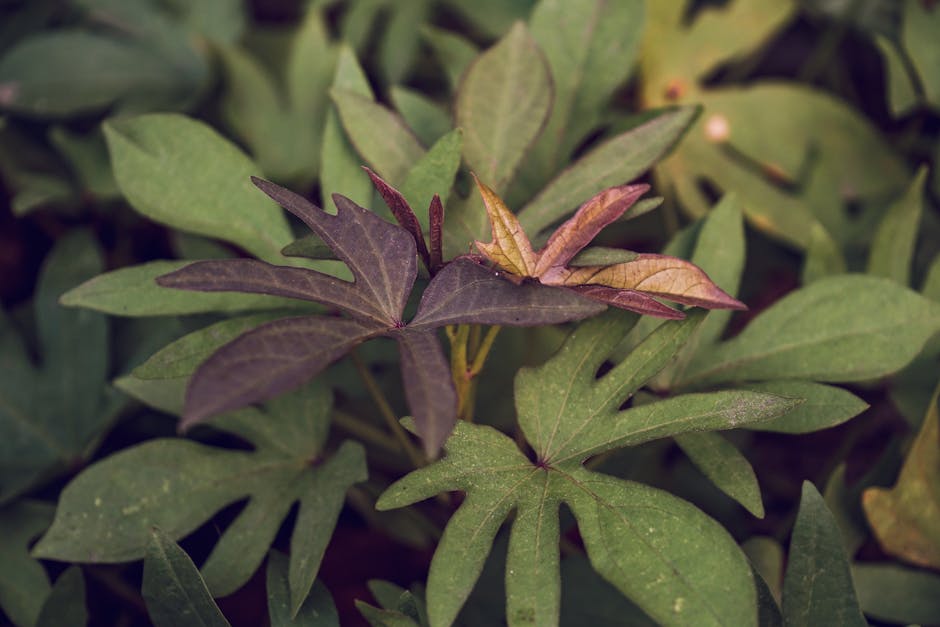
Ipomoea batatas: Botanical Characteristics, Cultivation, and Post-Harvest in Temperate Climates
Master sweet potato (Ipomoea batatas) cultivation: from variety selection and environmental conditions to harvesting and storage techniques.

Drip Irrigation: Water and Agronomic Efficiency for Sustainable Crops
Enhance water use and enhance agricultural productivity with drip irrigation systems. Minimize losses and promote resilient crops.