Urban Vertical Gardening: Efficient Cultivation in Limited Spaces
Learn how vertical gardening optimizes small urban spaces, providing fresh food and environmental benefits.

Design and Selection of Vertical Growing Systems
Life in urban environments, with their limited space, often presents a challenge for those who crave a connection with nature and the pleasure of harvesting their own food. However, vertical gardening emerges as an ingenious and aesthetically pleasing solution, transforming balconies, patios, and even indoor walls into productive green oases. This practice not only optimizes space utilization but also offers environmental and psychological benefits, bringing the freshness of a garden right to your doorstep.
Vertical growing systems represent an efficient alternative for maximizing the use of limited surfaces. By arranging plants in stacked structures or wall-mounted systems, production per square meter is maximized. Various modalities exist, from simple shelves with pots to complex hydroponic green walls or growing towers. The choice of system depends on factors such as available sunlight exposure, budget, and the type of plants you wish to cultivate. It is crucial to consider the strength of the supporting structure and the drainage capacity to avoid issues with moisture or excessive weight. Natural light is a critical factor; most vegetables and herbs require at least six hours of direct sunlight daily for optimal development. In the absence of sufficient light, artificial grow lights can be implemented, though this will incur an additional cost.
Species and Substrate Selection for Elevated Gardens
Proper selection of plant species is key to the success of a vertical garden. Plants with shallow root systems and a compact growth habit are most suitable. Popular options include aromatic herbs such as basil, mint, parsley, and cilantro, which also add fragrance to the environment. Leafy greens like lettuce, spinach, and Swiss chard also thrive in these systems. For those seeking more, strawberries or cherry tomatoes, with their determinate growth varieties, can yield excellent results. The substrate plays a fundamental role; it must be light, airy, and possess good moisture retention capacity while allowing for efficient drainage to prevent waterlogging of the roots. A mixture of compost, perlite, and peat (or coco coir as a sustainable alternative) is often an excellent base.
Water management in a vertical garden requires attention. Given exposure to wind and a smaller substrate volume, plants grown at height can dehydrate more quickly than those in a traditional garden. Drip irrigation systems or sub-irrigation are efficient options that ensure uniform water distribution and minimize waste. For simpler systems, manual watering daily or every other day, depending on the species and climate, may suffice. Nutrition is another pillar; as plants are in containers, nutrients in the substrate are depleted more rapidly. Regular incorporation of liquid or solid organic fertilizers, such as worm castings or mature compost, is essential to maintain plant vitality and productivity. Constant observation of the leaves and overall growth will allow for adjustments to the frequency and amount of nutrients.
Water and Nutritional Management in Vertical Cultivation
Regular maintenance is vital for the health of the garden. Pruning old or diseased leaves, as well as removing spent flowers, stimulates growth and production. Pest and disease control should be addressed with preventive and organic methods whenever possible. Daily inspection of plants allows for early detection of aphids, spider mites, or scale insects, which can be managed with solutions of potassium soap or neem extracts. Crop rotation, even in a vertical space, helps prevent the accumulation of specific soil pathogens and optimizes nutrient use. Considering the seasons is important; although a vertical garden offers some protection, the climatic conditions of Buenos Aires, with its warm, humid summers and cool winters, will influence the choice of crops and the necessary care. (Note: Cultural reference to Buenos Aires adapted to a global context, implying consideration of local climate variability).
The implementation of vertical gardens is an invitation to rediscover the connection with the earth, even in the heart of the city. It allows for the enjoyment of fresh, healthy food, reduces carbon footprint, and beautifies the surroundings. Beyond the technique, this practice fosters patience, observation, and respect for natural cycles. By transforming an overlooked corner into a productive green space, one contributes not only to personal well-being but also to building more sustainable and livable cities.
Related Articles
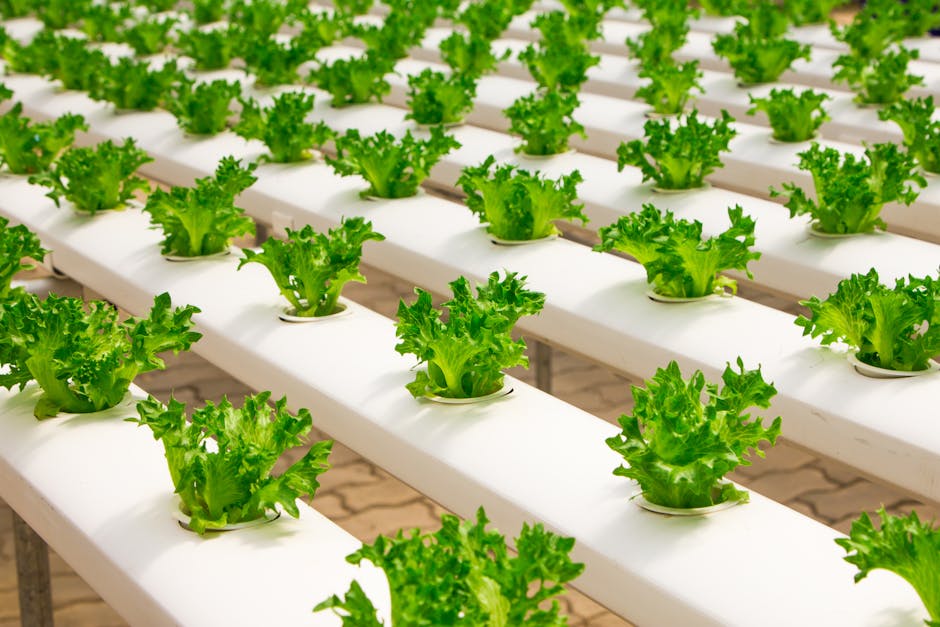
Urban Hydroponics: Efficient Soilless Cultivation for Home Gardens
Understand the principles and essential components of hydroponics for growing fresh food at home, optimizing water and space.

Urban Container Gardening: Selection, Substrates, and Sustainable Management
Optimize vegetable production in pots with suitable substrates, efficient irrigation, and organic pest control for urban sustainability.

Container Horticulture: Plant Selection, Substrates, and Integrated Urban Management
Optimizing container gardens: species selection, substrates, drainage, light, efficient irrigation, and organic management for urban sustainability.

Oyster Mushroom Cultivation (Pleurotus ostreatus): Substrates, Incubation, and Fruiting
Detailed guide to home cultivation of oyster mushrooms, covering substrates, inoculation, incubation, and fruiting techniques for successful harvests.