Crop Rotation: Soil Balancing for a Sustainable Garden
Learn how crop rotation improves soil health, prevents pests, and boosts your garden's productivity.

The Impact of Crop Rotation on Soil Health
The success of a vibrant and productive garden is often attributed to visible factors like sunlight, adequate watering, and expert care. However, a fundamental pillar that operates more subtly, yet with profound impact, is crop rotation. This age-old practice, refined over generations, represents a smart and sustainable strategy for maintaining the vitality of our soil and the health of our plants. Far from being a mere agricultural technique, crop rotation is a management philosophy that respects natural cycles and promotes ecological balance, benefiting both the environment and the abundance of our harvest. Adopting this approach not only enriches the earth but also strengthens the resilience of our green space against common challenges, ensuring consistent, quality production.
Soil health is the foundation of any thriving garden. Each plant type has specific nutritional requirements and draws different elements from the substrate. If the same species is grown in the same spot year after year, the soil can become quickly depleted of certain essential nutrients, leading to a progressive decline in fertility and crop productivity. Rotation interrupts this cycle of depletion. For example, legumes, such as peas, beans, or clover, have the ability to fix atmospheric nitrogen in the soil through a symbiosis with bacteria in their roots. Planting legumes after nitrogen-demanding crops like corn or broccoli helps replenish this nutrient naturally, reducing the need for synthetic fertilizers.
In addition to replenishing nutrients, crop rotation improves soil structure. The roots of different plants penetrate to varying depths and with diverse morphologies, contributing to soil aeration and enhancing its water-holding capacity. Deep-rooted crops can break up compacted layers, while fibrous-rooted plants help consolidate the topsoil. This root diversity fosters greater microbial activity, essential for decomposing organic matter and releasing nutrients. Soil with good structure and rich microbial life is more resistant to erosion and more efficient in its use of available water and nutrients. Careful planning of crop sequences is a direct investment in the long-term fertility of our land, an invaluable resource for any gardener. To delve deeper into how proper management can benefit your soil, you can consult resources such as those from INTA, which offer detailed guides on sustainable agricultural practices in the region: https://inta.gob.ar/documentos/la-rotacion-de-cultivos.
Improving Soil Structure and Nutrient Cycles
Another crucial benefit of crop rotation is its fundamental role in the natural control of pests and diseases. Many pests and pathogens are specific to certain plant families. If the same plant species is repeatedly grown in the same location, associated harmful organisms can accumulate in the soil or complete their life cycles, establishing persistent populations that will cause increasingly severe damage year after year. Rotation disrupts this cycle. By changing the cultivated species, these pests and diseases are deprived of their preferred host, making it difficult for them to survive and reproduce.
For instance, continuously growing tomatoes (a solanaceous plant) in the same spot increases the likelihood of nematodes or fungal diseases like Fusarium or Verticillium wilt establishing themselves, which can persist in the soil. By rotating to a crop from a different family, such as a cucurbit (squash, cucumber) or a legume, the life cycle of these pathogens is broken. Insect larvae that feed on the roots of a specific plant type, upon not finding their usual food source, will die or be forced to migrate. This strategy is an ecological and preventive way to manage phytosanitary problems, reducing reliance on chemical pesticides and promoting a more balanced and resilient garden ecosystem. Diversity over time, through rotation, complements diversity in space, creating an environment less prone to massive outbreaks of pests and diseases.
Implementing effective crop rotation requires systematic planning. One of the simplest ways to start is by grouping plants by botanical families and by their nutritional requirements or impact on the soil. A common scheme is to divide the garden into 3 or 4 sections and rotate crops in a multi-year cycle. For example, a four-year cycle might follow this sequence: 1) legumes (supply nitrogen), 2) leafy and stem crops (demand nitrogen), 3) root crops (demand potassium and phosphorus), 4) fruit crops (demand balanced soil).
Biological Pest and Disease Control Through Rotation
It is essential to keep a record of what is planted in each sector year after year. This allows for visualizing the garden’s history and planning future rotations in an informed manner. Some key families to consider include:
- Solanaceae: Tomato, potato, pepper, eggplant.
- Cucurbitaceae: Squash, zucchini, cucumber, melon.
- Brassicaceae (Crucifers): Cabbage, broccoli, cauliflower, radish.
- Legumes: Peas, beans.
- Liliaceae: Onion, garlic, leek.
- Grasses: Corn, wheat (if applicable to garden).
Avoiding planting species from the same family in the same plot for at least three to four years is a golden rule. It is also beneficial to consider the growth type and needs of the previous crop. For example, after a plant that consumes many nutrients, a legume can follow to replenish nitrogen. Diversity is not only key in species selection but also in timing, ensuring the soil has the opportunity to recover and regenerate. For more practical ideas and adapted rotation schemes, specialized sites like La Huertina de Toni offer valuable information: https://lahuertinadetoni.com/rotacion-de-cultivos-en-la-huerta-familiar/.
Crop rotation is much more than a simple technique; it is a comprehensive strategy for the long-term sustainability and productivity of any garden, from a small urban balcony to the most extensive plot. By integrating this practice, gardeners not only achieve more abundant and healthier harvests but also actively contribute to preserving soil fertility, reducing the incidence of pests and diseases, and decreasing the need for external inputs. It is an approach that celebrates nature’s wisdom, allowing the garden ecosystem to function more harmoniously and efficiently. Adopting crop rotation means investing in a greener, more prosperous future for our cultivation space, ensuring that each season brings with it the promise of a living and generous earth.
Related Articles

Home Greenhouse: Environmental Optimization for Extended Cultivation and Food Autonomy
Design, materials, and environmental control for home greenhouses, maximizing horticultural production and food autonomy.

Plant Physiology & Summer Water Stress: Irrigation & Soil
Examines plant responses to water deficit, optimizes irrigation systems, and applies soil moisture conservation techniques for resilience.

Modern Olive Cultivation: From Soil to Sustainable, High-Quality Harvest
Master olive grove management: soil science, varieties, irrigation, nutrition, and pest control for optimizing olive oil production.
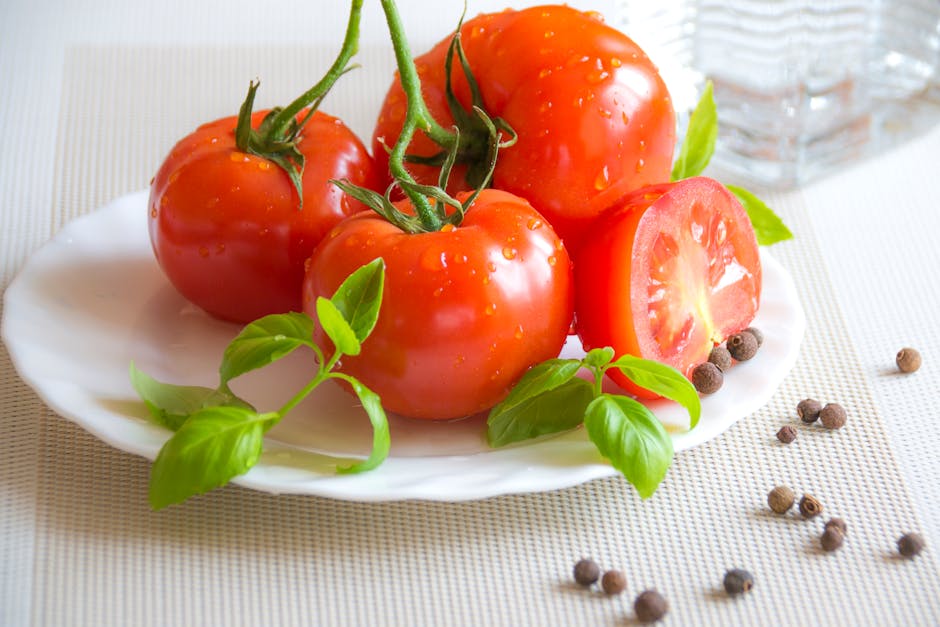
Unlocking Bumper Harvests: Your Essential Guide to Thriving Homegrown Tomatoes
Master the art of cultivating luscious tomatoes with this comprehensive guide, covering everything from soil to harvest for a bountiful yield.