Year-Round Lettuce: Cultivation Techniques Adapted to Argentine Seasons
Ensure fresh lettuce year-round with variety selection, environmental management, and nutrition adapted to each season in Argentina.
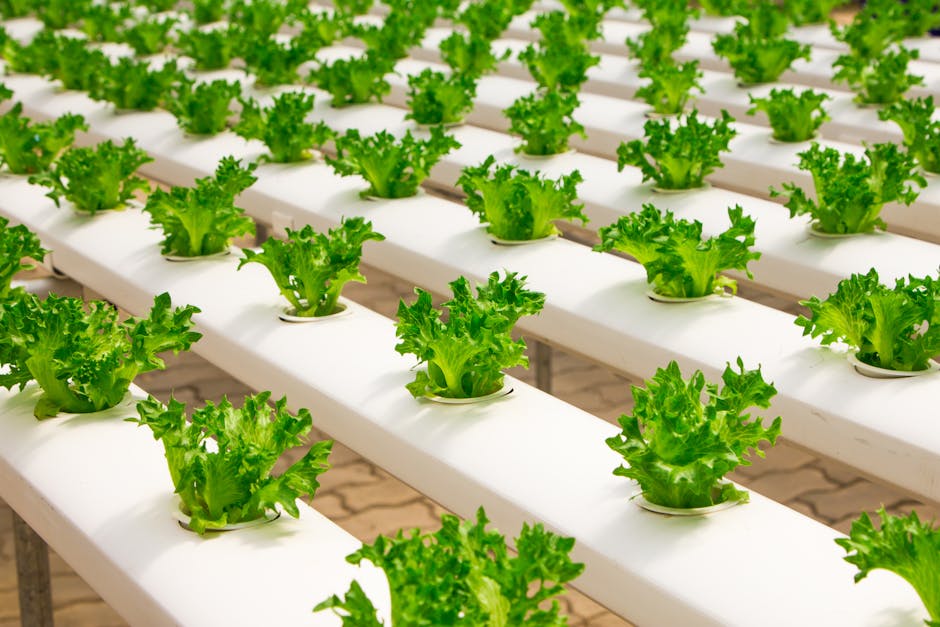
Variety Selection and Seasonal Adaptation
Achieving a productive garden that provides fresh lettuce throughout the year is an attainable goal for urban and rural gardeners in Argentina and the region. Strategic planning, appropriate variety selection, and the application of specific cultivation techniques are fundamental to overcoming seasonal challenges and maintaining a continuous harvest of this versatile and nutritious vegetable. By understanding lettuce’s needs in each season, it is possible to adapt the environment and practices to ensure its optimal development, regardless of external climatic conditions.
The versatility of lettuce allows for its cultivation in diverse conditions, from traditional garden beds to hydroponic systems on Buenos Aires balconies. The key lies in observation and adaptation, pillars of successful horticulture. This approach not only guarantees a constant supply of green leaves for the table but also fosters a deeper connection with natural cycles and home food production.
Variety Selection and Seasonal Adaptation
Sowing Strategies and Environmental Management
The first step toward an uninterrupted lettuce harvest is choosing varieties suitable for each time of year. In regions with well-defined seasons, like central Argentina, it is crucial to alternate lettuce types that tolerate both summer heat and winter cold. For the warm months, varieties such as romaine lettuce (‘Cos’) or some ‘Batavia’ types are known for their greater resistance to premature bolting (flowering), a common problem when temperatures are high. These varieties usually have a firmer texture and a slightly more bitter flavor but maintain their structural integrity under intense sun. Another option for summer is loose-leaf varieties that can be harvested by outer leaves, reducing plant stress and allowing for a more prolonged production. A useful resource for exploring adapted varieties is the INTA seed catalog, which often offers local and resistant options. For winter, ‘Mantecosa’ or ‘Criolla’ varieties are more tolerant of low temperatures and produce tender, sweet leaves. ‘Trocadero’ or ‘Boston’ types also perform well in cool climates, offering a soft texture and compact growth. Staggered sowing every 2-3 weeks, even within the same season, is a recommended practice to ensure a constant availability of young and mature plants.
Sowing Strategies and Environmental Management
Once varieties are selected, sowing technique and environmental management are decisive. Lettuce thrives in well-drained soils rich in organic matter. Preparing the bed with compost or worm castings before sowing is fundamental. Seeds can be sown directly in the bed or in seedbeds for later transplanting of seedlings. The latter option is particularly useful in winter, when germination may be slower, or in summer, to protect seedlings from initial intense sun. For direct sowing, a depth of 0.5 to 1 cm is recommended, lightly covering the seeds. Spacing between plants should be 20-30 cm, depending on the variety, to allow for adequate leaf development and good air circulation, which prevents diseases. In summer, providing partial shade during the hours of highest solar intensity, using shade cloths or planting under the protection of taller crops, helps mitigate heat stress. In winter, micro-tunnels or floating row covers can protect plants from severe frosts, extending the growing season. Crop rotation is also an essential practice, as it helps maintain soil health and reduces the incidence of lettuce-specific pests and diseases. More information on the cultivation cycle and soil needs can be found on specialized sites like Infojardín.
Light, Water, and Nutrient Requirements
Light, Water, and Nutrient Requirements
Lettuce has specific light, water, and nutrient needs that must be met for vigorous growth. Regarding light, it prefers full sun in the cooler months (autumn, winter, and early spring) to maximize photosynthesis. However, in summer, prolonged direct sun exposure can induce premature bolting and a bitter taste in the leaves. In this season, a location with partial shade, especially during the afternoon, is ideal. Watering is critical: lettuce requires constant moisture but without waterlogging. Consistently moist soil is vital for tender, crisp leaves. Drip irrigation or watering at the base of the plant are efficient methods that avoid wetting the foliage, which can prevent fungal diseases. Frequency will depend on the climate and soil type, but generally, watering every 1-2 days in summer and every 3-4 days in winter is recommended, adjusting according to substrate dryness. As for nutrition, lettuce is a leafy green that benefits from nitrogen-rich soils. An initial amendment with well-decomposed compost is excellent. During the growth cycle, nitrogen-rich liquid organic fertilizers, such as compost tea or worm leachate, can be applied every 2-3 weeks to promote abundant foliage. La Huertina de Toni offers good advice on organic nutrition.
Integrated Pest Management and Sustainable Harvesting
Integrated Pest Management and Sustainable Harvesting
Pest and disease control is an essential component for ensuring plant health and harvest continuity. Common pests on lettuce include aphids, slugs, and snails. For aphids, organic solutions like potassium soap or neem oil are effective. Introducing beneficial insects, such as ladybugs, can also help control these populations. For slugs and snails, beer traps or physical barriers around garden beds are non-toxic methods. Fungal diseases, such as downy mildew, often appear in conditions of high humidity and poor ventilation. Ensuring good plant spacing and avoiding overhead watering helps prevent them. If they appear, removing affected leaves and applying copper-based organic fungicides may be necessary. Lettuce can be harvested in two ways: by cutting the entire plant once it has reached an adequate size, or by the ‘cut-and-come-again’ method. The latter involves harvesting the outer leaves of the plant, allowing the center to continue producing new leaves. This method significantly extends the plant’s lifespan and allows for multiple harvests from the same lettuce. Harvesting early in the morning, when leaves are most turgid, ensures the best quality and flavor.
Growing lettuce year-round is a rewarding practice that offers freshness and food autonomy. The key lies in careful observation of the plants, adaptation to changing climatic conditions, and the application of sustainable cultivation techniques. With a little planning and dedication, your garden can become an inexhaustible source of lettuce, providing not only food but also the satisfaction of harvesting your own fresh vegetables at any time of the year. Consistency in sowing and care will allow you to enjoy this green leaf in every season, enriching your diet and your connection with nature.
Related Articles
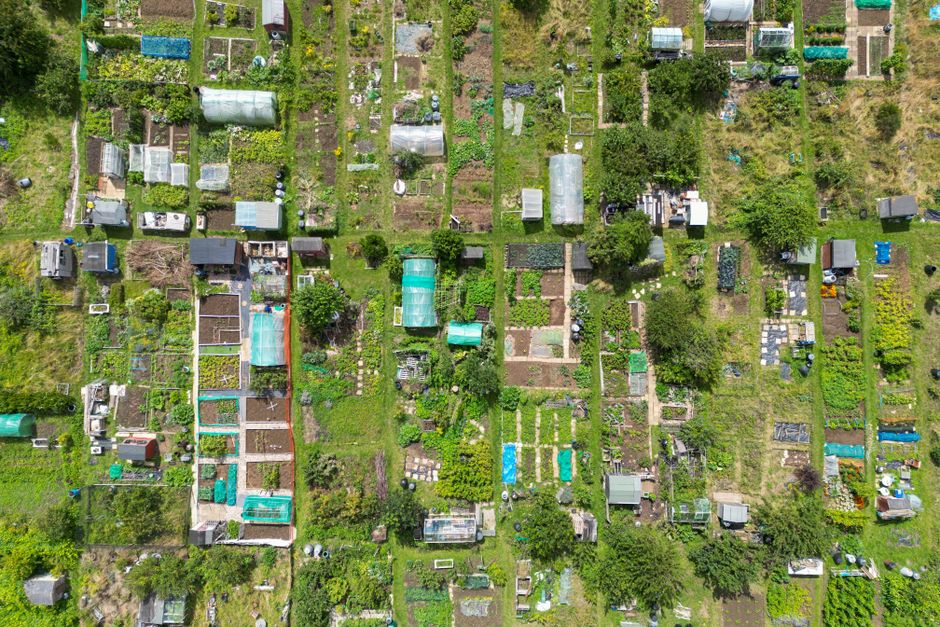
Permaculture Design: Ecological Integration for Resilient Home Food Systems
Exploring permaculture principles and their application in home gardens for enhanced sustainability, productivity, and ecosystem health.

Crop Rotation: A Pillar for Agricultural Seed Health and Quality
Alternating plant species to disrupt pest cycles, enhance soil fertility, and yield seeds with superior vigor and resilience.

The Family Garden: A Living Lab for Environmental Education and Sustainability
Explore the family garden as a pedagogical tool: sustainable cultivation, planning, and socio-environmental connection for practical learning.
Molybdenum in Lettuce: Physiology, Diagnosis, and Regional Nutritional Management
Diagnosing molybdenum deficiency in lettuce: understanding visual indicators, the role of soil pH, and effective foliar and hydroponic remediation techniques.