Drip Irrigation: Water Efficiency and Plant Growth in Modern Horticulture
Learn how drip irrigation optimizes water use, enhances plant health, and boosts productivity in modern gardens and farms.
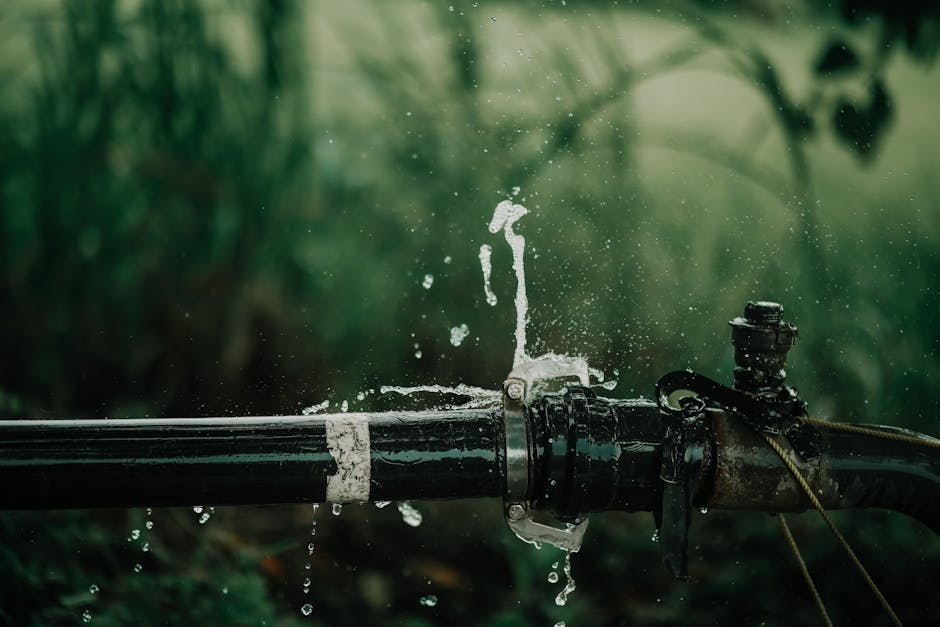
Water Efficiency and Benefits of Drip Irrigation
At the core of sustainability and efficiency in modern agriculture and horticulture, drip irrigation stands out as a fundamental technique. This practice, increasingly adopted in urban gardens and farmlands across Argentina and Latin America, represents a significant advancement in water management, an invaluable resource. Facing climate challenges and growing awareness about conservation’s importance, understanding and implementing drip irrigation is not just a smart choice but a necessity for those seeking to optimize their crops and contribute to a greener future. This system, which delivers water directly to the plant’s root zone, minimizes waste and maximizes absorption, offering a robust solution for maintaining plant vitality with the least possible environmental impact.
The inherent benefits of drip irrigation are numerous and transformative for any type of crop. Firstly, water efficiency is its primary hallmark. By applying water slowly and controllably, directly where plants need it, surface evaporation and runoff are drastically reduced, which can translate to savings of up to 70% compared to traditional methods like sprinkler or flood irrigation. This saving is crucial in regions with water stress or where water costs are high. Beyond water conservation, this system contributes to the overall health of plants. By keeping foliage dry, the incidence of fungal diseases, which thrive in humid environments, is significantly decreased. Precise water delivery also enables better nutrient absorption. Through fertigation, it’s possible to apply dissolved fertilizers directly with the irrigation water, ensuring nutrients reach the roots uniformly and efficiently, leading to more vigorous growth and more abundant harvests. Another positive aspect is weed suppression. Since only the soil around the cultivated plants is moistened, weeds in adjacent areas do not receive the necessary water to germinate and grow, reducing competition for resources and the need for manual weeding. Finally, drip irrigation saves time and effort, automating one of the most demanding tasks in gardening and horticulture.
Essential Components of a Drip Irrigation System
To implement an effective drip irrigation system, it is essential to know its key components. The foundation of the entire system is the water source, which can range from a mains tap to a storage tank. Immediately after the source, a filter is installed, which is indispensable for preventing dirt particles or sediment from clogging the small emitters. Various types of filters exist, from mesh to disc filters, and their choice will depend on the available water quality. A pressure regulator or reducer is another key element, as most drip systems operate at low pressures (between 1 and 2 bar) to ensure a uniform flow rate and prevent damage to components. From the regulator, a main pipe (usually of larger diameter) distributes water throughout the cultivation area. From this main pipe, secondary lines or drip hoses branch off, which carry water directly to the plants. These hoses can be pre-perforated with integrated emitters or allow for the insertion of individual emitters, chosen based on the plant type and its water needs. Finally, a series of connectors, elbows, tees, and end caps complete the network, allowing the design to be adapted to the specific configuration of each garden or farm.
The installation of a drip irrigation system is a process that, with adequate planning, can be carried out simply and efficiently. The first crucial step is design. It is recommended to draw a schematic of the cultivation area, identifying the location of each plant or row, the water source, and the pipe routes. This will help calculate the necessary quantity of each component. Once designed, proceed with land preparation and laying the main pipe. This is connected to the water source, passing through the filter and pressure regulator. It is important to ensure all connections are tight to prevent leaks. Then, extend the secondary lines from the main pipe, using T-connectors or elbows as needed. These lines should be placed along plant rows or around the bases of individual plants. Inserting the emitters is the next step. If using blank hoses, punch holes and insert emitters at the desired locations, ensuring they are close to the root zone of each plant. To finish, seal the ends of the secondary lines with end caps or clamps. Before putting the system into regular operation, a test run is essential. Slowly turn on the water supply and check all connections for leaks and verify that the emitters are delivering water uniformly. Minor adjustments may be necessary at this stage to optimize performance.
Installation Process and Start-up
To ensure the longevity and efficiency of your drip irrigation system, regular maintenance is indispensable. Periodic cleaning of the filter is the most important task, as it prevents emitter clogging. The frequency of this cleaning will depend on water quality; generally, once a month is a good starting point. It is also advisable to occasionally inspect emitters to check they are not clogged by sediment or algae, and replace them if necessary. In climates where temperatures drop significantly in winter, it is prudent to drain the system to prevent frozen water from damaging pipes and emitters. Considering automation with an irrigation timer can further enhance efficiency, programming irrigation cycles for periods of lower evaporation, such as dawn or dusk. The choice of emitters, whether self-compensating for uneven terrain or fixed-flow for flat surfaces, will also influence performance. The adaptability of drip irrigation makes it an ideal solution for small balcony gardens with pots as well as extensive farms, allowing precise control over water and nutrient supply, essential for the optimal development of each cultivated species.
Drip irrigation represents a smart investment in the sustainability and productivity of any green space. From the family garden in a city backyard to more ambitious agricultural ventures in fertile regions, its benefits in water savings, disease reduction, and nutrient optimization are undeniable. By adopting this technology, one not only contributes to the conservation of a vital resource but also promotes healthier, more abundant plant growth. Implementing a drip system is a concrete step towards more conscious and efficient gardening and horticulture, demonstrating that innovation can go hand-in-hand with nature to build a more prosperous and sustainable future.
Related Articles

Quinoa in Argentina: Adaptation, Cultivation, and Productive Potential
Exploring quinoa cultivation in Argentina: its agroecological adaptation, agronomic practices, and socioeconomic potential.

Urban Container Horticulture: Species Selection and Agronomic Management
Technical guide for growing food in small spaces, covering plant selection, substrates, irrigation, and nutrition.

Home Gardening: Well-being, Savings, and Sustainability at Your Fingertips
Learn how a home garden enhances your health, reduces expenses, and benefits the environment. A practical guide to starting today.

Container Potato Cultivation: Taxon Selection, Substrate, and Urban Water Management
Enhance potato cultivation in urban containers. Variety selection, substrate composition, and water management techniques for successful harvests.