Home Aromatic Herb Garden: Cultivating, Caring for, and Preserving Fresh Herbs
Learn how to grow, maintain, and preserve aromatic herbs at home to enhance your dishes and connect with nature.
Selecting Species and Optimal Growing Conditions
The incorporation of fresh aromatic herbs into cooking makes a noticeable difference in any culinary preparation. Beyond their ability to enhance flavors and aromas, growing these species at home offers a rewarding connection to the origin of our food. From classic parsley to exotic purple basil, each herb brings not only a gastronomic dimension but also aesthetic value and, in many cases, beneficial health properties. This practice, accessible even in small spaces like balconies or tiny patios, aligns with a growing trend towards self-sufficiency and conscious consumption in homes across Argentina and the region. Exploring the world of aromatic herbs is opening the door to a universe of sensations and a more sustainable way of experiencing cooking.
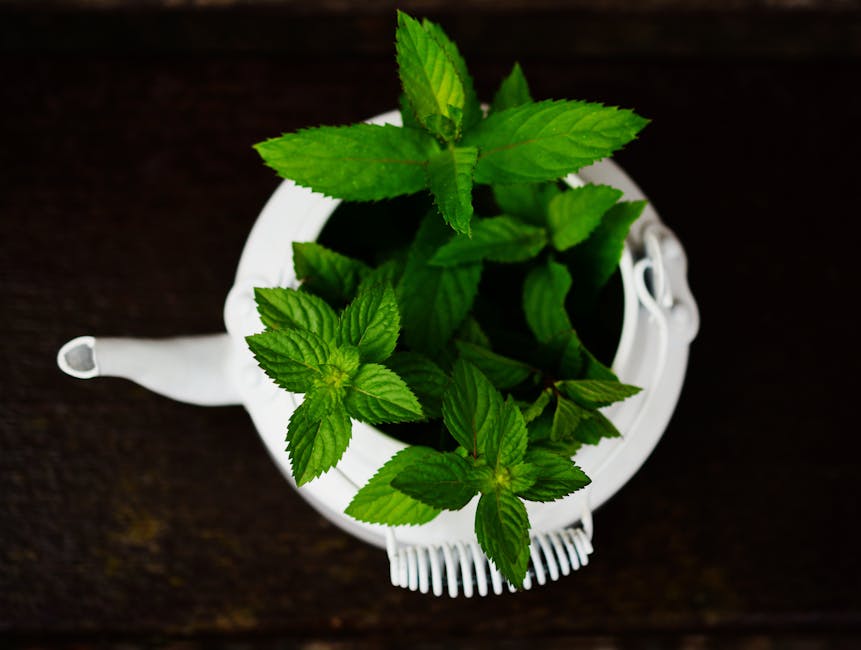
To start an aromatic herb garden, choosing the right species is fundamental, considering the local climate and available space. Herbs like rosemary (Rosmarinus officinalis), thyme (Thymus vulgaris), and oregano (Origanum vulgare) are robust and prefer dry, sunny climates, typical of many regions in Argentina. Basil (Ocimum basilicum), on the other hand, requires more warmth and humidity, making it ideal for the summer months. Parsley (Petroselinum crispum) and cilantro (Coriandrum sativum) thrive in partial shade and need more consistent watering.
Sunlight is a critical factor; most aromatic herbs demand at least six hours of direct sun per day. In the absence of sufficient natural light, implementing specific artificial grow lights can be a viable alternative for indoor cultivation. The growing medium plays an essential role: it must be light, well-drained, and rich in organic matter. A mix of garden soil with compost or worm castings ensures the necessary nutrients and a structure that prevents waterlogging, which is detrimental to the roots. For in-depth information on the specific care for each species, resources like Infojardín offer detailed and reliable information. Soil acidity, or pH, also influences growth; most herbs prefer a slightly acidic to neutral range (pH 6.0-7.0).
Critical Environmental Factors: Light, Growing Medium, and Watering
Watering should be moderate and consistent, avoiding both overwatering and extreme dryness. It is advisable to check the moisture of the growing medium by inserting a finger a few inches deep before watering again. Pots with drainage holes are essential to prevent root rot.
Proper maintenance of aromatic herbs ensures their vigor and productivity. Regular pruning is an essential practice: it stimulates the growth of new branches and leaves, resulting in a greater quantity of produce for the kitchen. It is recommended to trim the tips of the plants, preferably just above a leaf node, to encourage lateral branching. For herbs like basil, it is crucial to pinch off flowers as soon as they appear to redirect the plant’s energy towards leaf production, thereby extending its life cycle and flavor.
Plant nutrition can be supplemented with liquid organic fertilizers applied every 2-4 weeks during the growing season. Compost or compost tea are excellent options that provide nutrients in a balanced way and improve the health of the growing medium.
Plant Maintenance: Pruning, Nutrition, and Health
Controlling pests and diseases is best addressed with preventive and organic methods. Daily observation allows for early detection of aphids, red spider mites, or whiteflies. Solutions based on potassium soap or neem oil are effective and safe for human consumption. Biodiversity in the garden, by attracting beneficial insects like ladybugs, also contributes to a natural balance. Air circulation among plants is vital for preventing fungal diseases, so adequate spacing is important.
Harvesting aromatic herbs at the right time maximizes their flavor and aroma. Generally, leaves are most fragrant before flowering. It is advisable to harvest in the morning, after the dew has dried, when the essential oils are most concentrated. It is important not to remove more than one-third of the plant in a single harvest to allow it to recover and continue growing.
Various techniques exist for preserving herbs and enjoying them year-round. Drying is a traditional method for robust herbs like rosemary, oregano, and thyme. They can be tied into small bundles and hung in a cool, dark, well-ventilated place. Once dried, they are stored in airtight containers. For more delicate herbs like basil, parsley, or cilantro, freezing is an excellent option. They can be finely chopped and frozen in ice cube trays with a little water or olive oil, making them easy to use later in stews and sauces. Another alternative is preparing infused oils or vinegars, where the herbs infuse their properties into the liquid, creating unique condiments.
Harvesting and Preserving Aromatic Herbs
Growing aromatic herbs at home is an enriching practice that transcends simple gardening. It represents an investment in fresh flavors, well-being, and a deeper connection with natural cycles. The satisfaction of harvesting our own herbs, from seed or a small cutting, and using them in daily preparations is an experience that elevates quality of life and promotes healthier habits. With appropriate selection, consistent care, and suitable harvesting and preservation techniques, anyone can enjoy the aromatic abundance of a home garden, transforming every dish into a celebration of nature and flavor.
Related Articles

Grow Your Best Garden: Argentina's Essential Southern Hemisphere Planting Calendar
Unlock Argentina's unique planting seasons and master your garden with this comprehensive Southern Hemisphere planting calendar and expert tips.

Ornamental Edible Gardens: Design, Selection, and Sustainable Management
Integrating aesthetics and production in gardens: species selection, design principles, organic management, and applied technologies.

Homegrown Culinary Herbs: Techniques, Nutrition, and Preservation for Flavor and Sustainability
Apply methods for growing herbs at home, optimizing growth, nutrition, and harvest to enhance cuisine and biodiversity.
Children's Horticulture: Integrated Development and Environmental Sustainability Through Cultivation
Children's gardening fosters cognitive, emotional, and civic skills, building an early understanding of sustainability and biodiversity.