Tomato Cultivation: Preparation, Planting, and Harvesting for Gardeners
Comprehensive guide to growing tomatoes: from soil prep and variety selection to watering, nutrition, and successful harvesting.
Soil Preparation and Variety Selection
The tomato, that jewel of the vegetable garden, is an undisputed protagonist in global gastronomy and a rewarding crop for any gardener. From classic salads to homemade sauces, its versatility is as vast as its varieties. The flavor of a freshly harvested tomato, ripened under the sun in our own green space, is vastly different from what we find on supermarket shelves. This article offers a comprehensive perspective on its cultivation, from initial preparation to harvest, aiming to help garden enthusiasts achieve abundant, high-quality fruits.
A critical factor for successful tomato cultivation lies in proper soil preparation. These plants thrive in deep, well-drained soils rich in organic matter. An ideal pH is between 6.0 and 6.8. Before planting or transplanting, it is recommended to incorporate compost or worm castings to improve soil structure and provide essential nutrients. A soil test can be a valuable tool to determine the specific needs of your land. Variety selection is equally fundamental. There are indeterminate tomatoes, which grow continuously and produce fruit throughout the season (requiring staking), and determinate varieties, which reach a specific size and produce most of their fruit in a short period (ideal for small spaces or container gardening). In Argentina, varieties like ‘Platense,’ ‘Roma,’ or ‘Cherry’ are popular for their adaptability and yield. Considering disease resistance and local climate is crucial. For detailed information on varieties adapted to different regions, INTA offers valuable resources on its website: https://inta.gob.ar/documentos/cultivo-de-tomate-en-huertas-familiares.
Planting, Transplanting, and Optimal Spacing
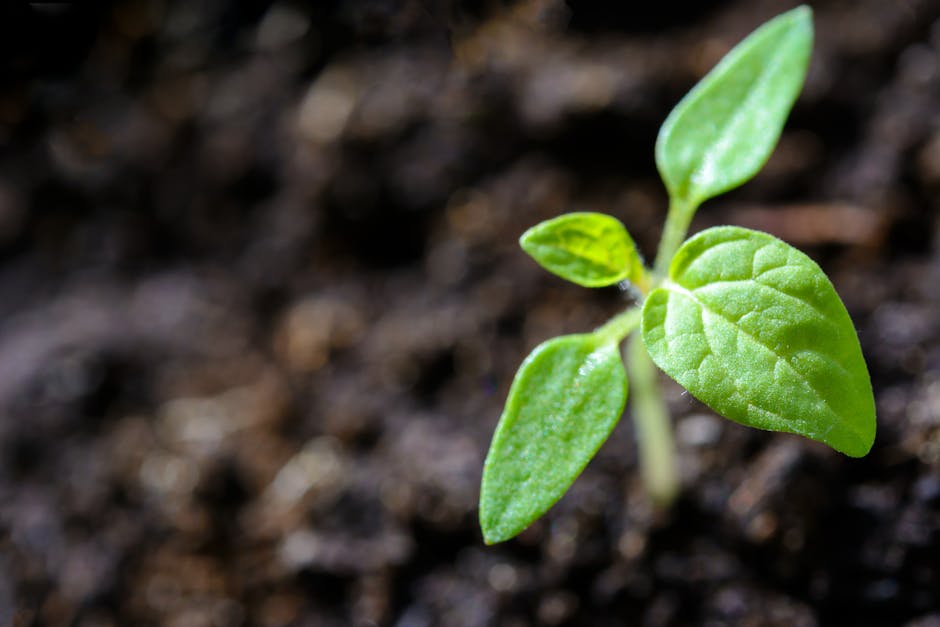
Sowing tomato seeds is generally done in late winter or early spring in protected seedbeds. Seeds require consistent temperatures (20-25°C) for efficient germination. Once the seedlings develop their first set of true leaves, they can be transplanted into larger individual pots to strengthen their root system. Transplanting to the final garden location should occur after all risk of frost has passed and night temperatures remain above 10°C, usually in mid-spring. It is essential to harden off the seedlings by gradually exposing them to the outdoors for a week before transplanting. When planting, it is recommended to bury the seedling up to the first set of leaves, as the stem will develop additional roots, strengthening the plant. Adequate spacing (60-90 cm between plants) ensures good air circulation and reduces competition for resources.
Watering is a critical aspect. Tomatoes need consistent moisture but not waterlogging. A drip irrigation system is highly efficient, delivering water directly to the roots and minimizing evaporation and the incidence of foliar diseases. The frequency will depend on the climate, soil type, and the plant’s growth stage. Regarding nutrition, in addition to the initial compost, tomatoes benefit from balanced fertilizers during vegetative growth and with a higher content of potassium and phosphorus during flowering and fruiting. Nettle tea or compost tea are effective organic options. Pest and disease management is vital. Crop rotation helps prevent the accumulation of soil pathogens. Regular inspection allows for early detection of problems. Common pests like aphids or whiteflies can be controlled with natural insecticides based on neem or potassium soap. Pruning suckers (axillary shoots) concentrates the plant’s energy into fruit production and improves ventilation. For more details on biological pest control, Infojardín offers useful information: https://www.infojardin.com/plagas-y-enfermedades/control-biologico-de-plagas.htm.
Watering, Nutrition, and Health Management
Patience is a virtue when harvesting tomatoes. Fruits should be picked when fully ripe, with uniform color and a slightly soft texture to the touch. This maximizes their flavor and nutritional content. It is recommended to cut them with a piece of stem, which can extend their shelf life. Staggered harvesting, as tomatoes ripen, is ideal for enjoying continuous production. To store fresh tomatoes, avoid refrigerating them if ripe, as cold can alter their flavor and texture. Store them at room temperature, away from direct sunlight. If you have an overproduction, consider making homemade sauces, purees, or preserves. Sun-drying or using a dehydrator are also excellent options for preserving the taste of summer.
Growing tomatoes is an enriching experience that connects the gardener with the natural cycle of life. With adequate planning, constant attention, and the correct technical knowledge, it is possible to enjoy an abundant harvest of these delicious fruits. The satisfaction of savoring a home-grown tomato is incomparable, a true testament to dedication and care.
Related Articles

Unlock Year-Round Harvests: Your Essential Guide to Building a DIY Backyard Greenhouse
Learn how to build your own functional and affordable backyard greenhouse to extend growing seasons and protect your plants from unpredictable weather.

Unlock Your Urban Oasis: Vertical Gardens for Small Spaces
Learn how vertical gardens can transform any small space into a lush, productive urban oasis, bringing fresh produce to your doorstep.

Unlock Your Garden's Potential: Master Chemical-Free Pest Control Naturally
Learn effective, eco-friendly strategies for pest control, protecting your garden and the environment without harsh chemicals.
Biological Aphid Control for Roses: Natural Agents & Beneficial Fauna
Strategies for defending rose bushes against aphids using natural enemies and creating habitats for beneficial insects.