Home Organic Garden: Planning, Substrate, and Sustainable Management
Reference to creating your home organic garden: planning, substrate, watering, pest control, and harvesting for fresh, healthy food.
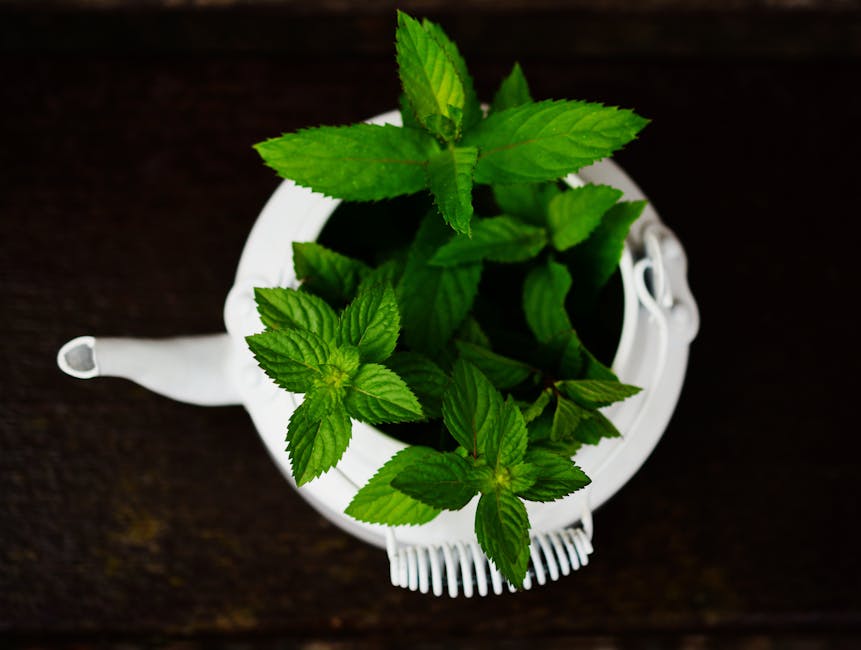
Planning and Crop Selection for a Home Garden
Establishing an organic garden at home offers a rewarding opportunity to connect with nature and provide fresh, healthy food. This practice, increasingly popular in urban and suburban settings across Argentina and Latin America, not only contributes to mindful eating but also promotes sustainability and biodiversity within our daily lives. The joy of watching a seed grow into a fruit or vegetable that graces our table is a deeply satisfying and transformative experience.
When embarking on a home organic garden project, planning is a fundamental pillar. It’s essential to assess the available space, whether it’s a balcony, patio, or terrace, and consider the amount of direct sunlight it receives throughout the day. Most vegetables require at least six hours of sun for optimal development. Choosing appropriate containers, such as sufficiently sized pots, grow bags, or raised beds, also influences success. You can select crops that adapt well to local conditions and the Río de la Plata climate, such as lettuces, Swiss chard, spinach, radishes, or herbs, which are typically resilient and productive at various times of the year. The orientation of the space and protection against strong winds or late frosts are aspects to consider to ensure a conducive environment for plant growth.
Substrate and Seeds: Foundations for Plant Growth
The substrate forms the bedrock of any successful garden. Fertile, well-structured soil is vital for plant nutrition. Creating homemade compost from organic kitchen and garden waste is a highly recommended practice that enriches the soil with essential nutrients and improves its water retention and aeration capacity. This composting process transforms waste into valuable natural fertilizer, closing the organic matter cycle at home. For those who don’t produce their own compost, high-quality organic substrates can be purchased from specialized nurseries. When sowing, choosing organic seeds or healthy seedlings from reliable suppliers is crucial to ensure genetic purity and disease resistance. Sowing in seed trays allows for more precise control of initial germination conditions, facilitating later transplanting to the permanent location.
The management and care of the garden are based on principles of sustainability and observation. Efficient watering is key: it’s recommended to water early in the morning or at dusk to minimize evaporation and ensure water reaches the roots. The mulching technique, which involves covering the soil with a layer of organic material like straw or dry leaves, helps conserve substrate moisture, suppress weeds, and regulate soil temperature. Pest and disease control is preferably addressed with natural and preventive methods. Promoting biodiversity in the garden, by including aromatic plants that repel insects or attracting beneficial insects (like ladybugs), reduces the need for chemical interventions. Homemade preparations based on neem or garlic can be effective for treating specific problems. Crop rotation, changing the location of species each season, contributes to maintaining soil health and preventing the accumulation of plant-specific pathogens.
Sustainable Management: Watering, Mulching, and Biological Control
Finally, the harvesting stage is the time to enjoy the fruits of labor and dedication. Knowing when and how to harvest correctly allows for prolonged plant productivity. For instance, with leafy greens, picking the outer leaves stimulates continuous growth. The experience of harvesting fresh vegetables, free from agrochemicals, transforms cooking and the palate, offering more intense flavors and unparalleled textures. Beyond nutrition, a home organic garden becomes a space for learning, relaxation, and connection with life cycles, a true open-air laboratory that invites us to observe and understand natural processes. Detailed information on cultivation and organic management techniques can be found in resources such as those from INTA Argentina [https://www.argentina.gob.ar/inta] or specialized platforms like Infojardín [https://www.infojardin.com/].
Embarking on the journey of a home organic garden is an investment in personal and environmental well-being. It’s an invitation to be an active participant in producing our food, to value the earth, and to cultivate a healthier, more conscious lifestyle. The satisfaction of harvesting what you sow is incomparable, and the benefits extend far beyond the plate.
Related Articles

Coastal El Niño Adaptation: Water Management & Resilience Tech
Water management strategies, crop selection, and technology use to mitigate El Niño impacts on Pacific coastal gardens.

Crop Association: Ecological Principles and Sustainable Agricultural Applications
Article explores crop association's ecological basis, strategies like milpa, and innovations in genomics for sustainable, resilient agriculture.
Crop Association: Biochemical Interactions and Design for Resilient Gardens
Learn how plant interactions and polyculture design enhance soil health, control pests, and boost horticultural productivity.
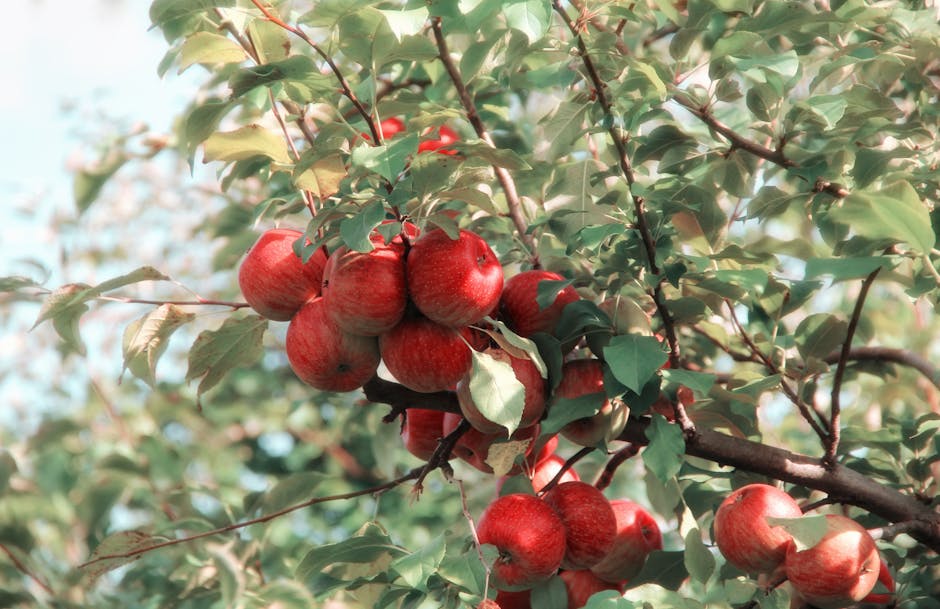
Fruit Trees at Home: Essential Practices for Abundant and Healthy Harvests
Improve the health and productivity of your fruit trees with sustainable selection, pruning, nutrition, and irrigation techniques.