Orchids at Home: Replicating Natural Habitats for Successful Blooms
Learn how to replicate light, humidity, and substrate conditions to grow orchids at home and achieve spectacular blooms.
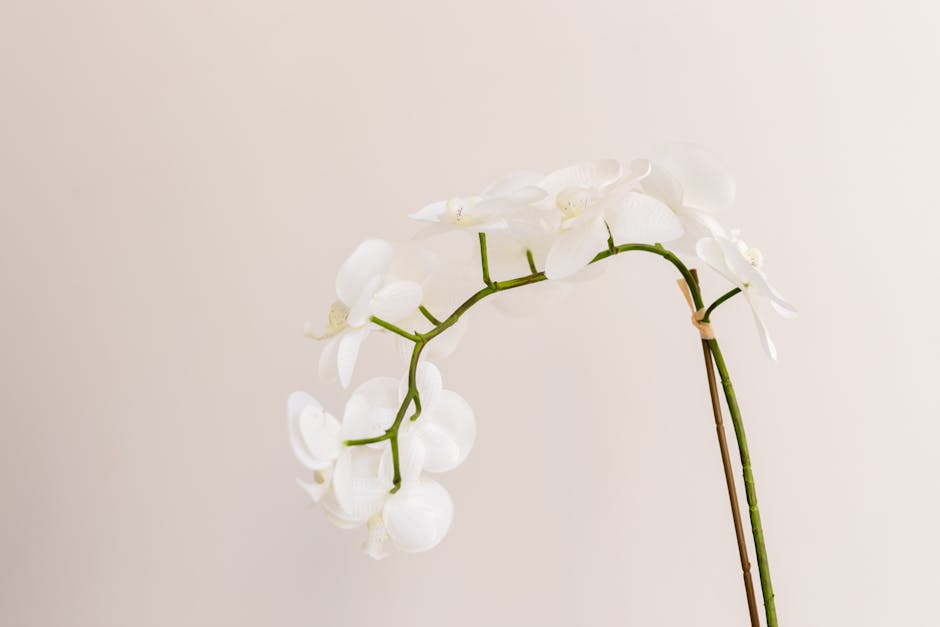
Orchid Species Diversity and Selection for Home Cultivation
Orchids, with their exotic beauty and diverse forms, captivate many, yet they are often perceived as difficult plants to maintain. However, with the right knowledge and consistent attention, growing them at home is both rewarding and accessible. Understanding the specific needs of these fascinating plants is the first step to enjoying their spectacular blooms.
The vast Orchidaceae family encompasses thousands of species, each with slightly different requirements. The most common orchids in domestic settings, such as Phalaenopsis, or ‘moth orchids’, are an excellent starting point for those new to this art. Other popular varieties include Cattleya, Oncidium, and Dendrobium, each with its own charm and adaptations. Careful observation of the plant and its environment is fundamental to determining its well-being.
Critical Environmental Factors: Light, Temperature, and Humidity for Orchids
Success in orchid cultivation largely depends on replicating the conditions of their natural habitats. A crucial factor is light. Most epiphytic orchids, which grow on trees in their original environment, prefer bright but indirect light. An east or west-facing window, where they receive soft morning or afternoon sun, is often ideal. Strong, direct sunlight can burn their leaves, while insufficient lighting will inhibit flowering. It is possible to identify adequate exposure by observing leaf color: a vibrant medium green indicates a good light level, while dark green leaves suggest insufficient light, and yellowish or reddish leaves indicate too much light.
Temperature and humidity also play vital roles. Orchids thrive in temperatures ranging between 18°C and 28°C (65°F and 82°F) during the day, with a slight drop at night. Moderate fluctuations between day and night can stimulate flowering. As for humidity, most species require levels between 50% and 70%. In dry environments, such as many homes with heating or air conditioning, humidity can be increased by placing the pot on a tray with pebbles and water (ensuring the bottom of the pot does not touch the water) or by using a humidifier. For more information on general care, InfoJardín offers a detailed guide on orchids on their portal: https://www.infojardin.com/plantas_de_interior/fichas/orquideas_fichas.htm.
Substrate, Watering, and Nutrition: Essential Components for Orchid Care
Orchid substrate differs significantly from potting soil for terrestrial plants. Being epiphytes, their roots need aeration and good drainage. Common mixes include pine bark, sphagnum moss, charcoal, and perlite. It is important to avoid conventional potting soil, as it retains too much moisture and can lead to root rot. Watering should be careful and adapted to each species and environmental conditions. A general rule is to water when the substrate is almost dry. The immersion method, where the pot is submerged in water for a few minutes until the substrate is saturated, is very effective. Afterward, allow all excess water to drain completely to prevent waterlogging. La Huertina de Toni, for example, shares effective watering methods that can be adapted to orchids: https://www.lahuertinadetoni.es/como-regar-nuestras-plantas-de-interior-y-exterior/.
Fertilization is necessary to provide nutrients that the substrate cannot offer on its own. It is recommended to use a specific orchid fertilizer, diluted to half the indicated concentration, and applied every two to four waterings during the active growing period. During dormancy, reduce the frequency or suspend fertilization. Repotting is done when the plant outgrows its pot or when the substrate decomposes, generally every one to two years. This is a good time to inspect the roots and remove any that are rotten or dry.
Maintenance and Health: Pruning, Repotting, and Pest Control for Orchids
Regular care also includes pruning flower spikes once blooming has finished. In some species, like Phalaenopsis, the spike can be cut above a node to encourage new flowering. Vigilance against common pests such as mealybugs, mites, and aphids is essential. Regular cleaning of the leaves with a damp cloth helps prevent their appearance and keeps the plant healthy.
Growing orchids at home is not an unattainable task. It requires patience, observation, and the application of basic care principles. With an adequate environment, balanced watering, and nutrition, these magnificent plants can bloom repeatedly, offering a visual reward that beautifies any space and connects growers with the sophistication of nature.
Related Articles

Butia capitata: Morphology, Propagation, Management, and Landscape Applications
Study on the Yatay palm: morphology, propagation requirements, nutrition, irrigation, health, and integration into sustainable landscaping and conservation.

Pindo Palm (*Butia capitata*): Propagation, Management, and Adaptability
Establishment, nutrition, and health of *Butia capitata*, highlighting its adaptability, resilience, and ecological benefits for sustainable landscaping.

Floriography: Botanical Symbolism and Silent Emotional Communication
Explore the history, color and botanical symbolism of flowers, and their contemporary applications in gardening and design.

Container Potato Cultivation: Growing and Managing Solanum tuberosum in Urban Spaces
A technical guide to growing potatoes in pots: variety selection, soil, watering, and harvesting for urban gardens.