Children's Gardening: Fostering Development and Connection with Nature
Learn how home gardening enhances cognitive, motor skills, and essential values in children. A practical guide to getting started.
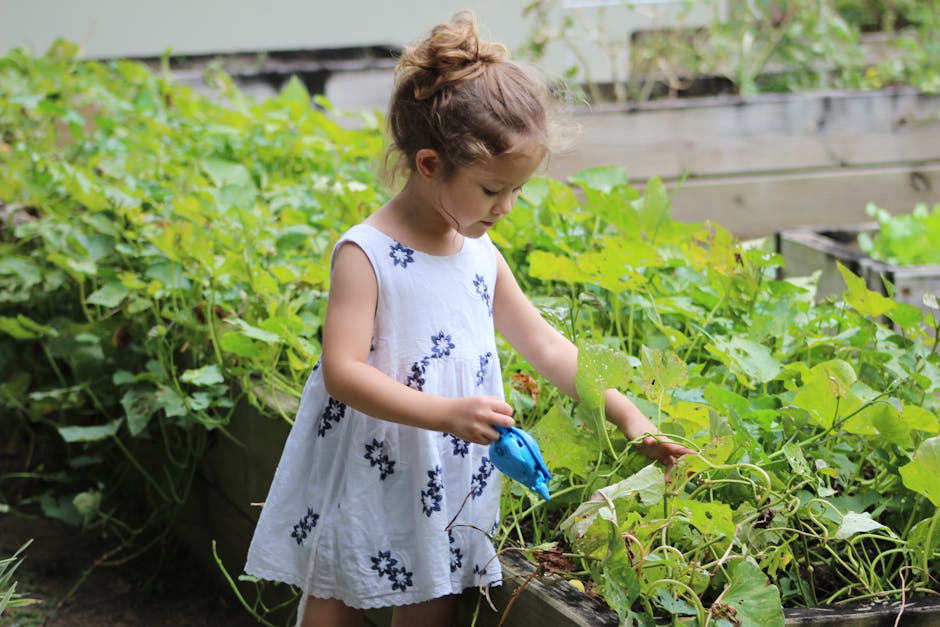
Children’s Gardening: Connecting with the Plant Life Cycle
Nature offers an unparalleled classroom, and gardening emerges as a fundamental activity for child development. Connecting children with the plant life cycle, from sowing to harvesting, provides them with a tangible understanding of the natural world and fosters essential skills for their growth. In a context where urban life often limits contact with green environments, creating a cultivation space at home or on a small balcony becomes an educational and recreational opportunity of great value.
The impact of gardening on child development is evident in various areas. This practice stimulates curiosity and observation skills by following the growth of a seed. Interaction with soil, the textures of leaves, and the aromas of flowers activates the senses, enriching the perceptual experience. Furthermore, caring for plants teaches patience and responsibility, qualities that transfer to other aspects of life. Gardening also promotes the development of fine and gross motor skills through tasks such as digging, watering, or transplanting, and encourages problem-solving when facing challenges like pests or weather conditions. These benefits are widely recognized by educators and child development specialists, establishing gardening as a comprehensive educational tool.
Pedagogical and Psychomotor Benefits of Children’s Horticulture
Selecting appropriate crops for children’s participation is a determining factor in ensuring success and maintaining enthusiasm. It is advisable to opt for fast-growing, easy-to-care-for plants that offer visible results quickly. Some ideal options include radishes, which germinate rapidly; lettuce, whose leaves can be harvested progressively; peas, which allow observation of pod development; and sunflowers, which impress with their size and beauty. Aromatic herbs like mint or parsley are also excellent choices; they are not only resilient but also used in cooking, reinforcing the link between the garden and the table. For preparation, gardening tools specifically designed for children, made from safe materials and in adapted sizes, facilitate handling and prevent accidents, making the experience more comfortable and accessible. Considering the safety and non-toxicity of plants is crucial, prioritizing edible species and avoiding those that may cause irritation.
Implementing simple and engaging gardening projects transforms learning into play. A starting point can be growing seeds in small recycled containers, such as eggshells or empty yogurt cups, before transplanting them. Another idea is creating a small container garden, ideal for balconies or small patios, where each child can have their own space to care for. Terrariums, on the other hand, offer a micro-window into a closed ecosystem, allowing close observation of condensation and the water cycle. For those with more space, a raised garden bed dedicated solely to children can be a collaborative family project, where each child assigns a section for their favorite crops. The Infojardín platform offers useful resources on container gardening, which can be an excellent starting point for urban projects: https://www.infojardin.com/.
Selecting Species and Tools for Children’s Cultivation
The care and maintenance of plants instill fundamental responsibilities in young gardeners. Establishing a watering routine, adjusted to the needs of each plant and climatic conditions, is a daily task that teaches consistency. Identifying and removing weeds, however minor it may seem, helps children understand competition for nutrients and water. Observing the appearance of insects, distinguishing between beneficial ones and those that can harm the crop, is a lesson in practical ecology. When harvest time arrives, the reward for effort materializes, offering a gratifying experience and an incentive to continue gardening. This cyclical process, from sowing to harvesting, reinforces the understanding of nature’s timing and the value of manual labor.
Gardening for children is much more than a playful activity; it is an investment in their education and well-being. It fosters a deep connection with the natural environment, promotes the development of cognitive and motor skills, and cultivates values such as patience, responsibility, and respect for life. By giving them the opportunity to sow, care for, and harvest, they are provided with a powerful tool to understand the world around them and to forge a lasting bond with nature. This enriching and tangible experience lays the foundation for environmental awareness from an early age and can become a lifelong passion.
Implementing Horticulture Projects Adapted for Children
Related Articles
Unlocking Bumper Harvests: Your Essential Guide to Thriving Homegrown Tomatoes
Master the art of cultivating luscious tomatoes with this comprehensive guide, covering everything from soil to harvest for a bountiful yield.
Children's Gardening: Fostering Development and Nature Connection
Learn how children's gardening promotes holistic development, curiosity, and environmental respect in kids.

Grow Your Best Garden: Argentina's Essential Southern Hemisphere Planting Calendar
Unlock Argentina's unique planting seasons and master your garden with this comprehensive Southern Hemisphere planting calendar and expert tips.

Designing Kitchen Gardens to Attract and Sustain Pollinators
Integrating native flora, shelters, water, and organic management for resilient, biodiverse kitchen gardens and sustainable production.