Home Table Grape Cultivation: Selection, Pruning, and Harvesting for the Amateur Gardener
A practical guide to growing fresh grapes at home, from variety selection to harvesting, with tips for a home garden setting.

Selecting Varieties and Optimal Location for Domestic Grapevine Cultivation
The prospect of harvesting your own fresh, juicy grapes directly from the garden or even a balcony is an appealing one for many gardening enthusiasts worldwide. Beyond the romantic image of expansive vineyards, growing grapevines on a domestic scale is an achievable reality that offers not only delicious fruit but also the satisfaction of a long-term project. This endeavor, while requiring dedication, can be adapted to various spaces and conditions, allowing hobbyists to enjoy both the process and the final result.
The first fundamental step is the proper selection of the grapevine variety and its location at home. For temperate climates, certain table grape varieties are particularly suitable. Cultivars such as ‘Italia’, ‘Muscat of Alexandria’, or ‘Cardinal’ are known for their good yield and adaptability to home gardens. It is crucial to choose a site that receives at least 6 to 8 hours of direct sunlight daily, as sunlight is indispensable for fruit ripening and the overall health of the plant. The soil should be deep, well-drained, and have a slightly acidic to neutral pH. If the natural soil is clayey or heavy, it is recommended to amend it with coarse sand and compost to ensure optimal drainage. For those with limited space, growing in large pots (at least 13 gallons) is a viable alternative, always ensuring a good drainage system in the container.
Planting Techniques and Establishing Support Structures
Once the variety and location are selected, the planting process requires attention. Grapevine plants are typically purchased from specialized nurseries, either as bare-root stock during winter or in pots during spring. When planting, dig a wide hole, twice the diameter of the root ball, and enrich the bottom with organic matter. Place the vine so that the graft union remains above the soil level. After planting, abundant watering is essential. During the first few years, it is vital to establish a robust support structure, such as an arbor, a pergola, or a trellis system, which will guide the vine’s growth and facilitate pruning and harvesting. Initial staking is crucial to direct young shoots towards the desired structure.
Continuous care of the grapevine involves essential practices for its development and fruiting. Pruning is perhaps the most important and complex task. Two main types are distinguished: winter pruning (or formative and fruiting pruning), performed during the plant’s dormancy, and green pruning (or summer pruning), which aims to control vigor and improve air circulation and sun exposure for the bunches. Proper pruning ensures balanced production and the longevity of the vine. For detailed information on pruning techniques, agricultural research institutions offer comprehensive guides that can be consulted through their online resources. [For example, resources similar to those provided by the National Institute of Agricultural Technology (INTA) in Argentina can be found through agricultural extension services in your region.]
Pruning Management and Sustainable Care Practices for Grapevines
Watering should be consistent, especially during the active growth period and fruit development, avoiding waterlogging which favors diseases. A drip irrigation system is ideal for maintaining uniform and efficient moisture. Plant nutrition is supplemented with annual applications of compost or worm castings, and balanced fertilizers according to soil needs. Pest and disease control, such as powdery mildew or downy mildew, is fundamental. Prevention through good air circulation, removal of diseased leaves and shoots, and the use of organic treatments like Bordeaux mixture or neem extracts are recommended practices for sustainably maintaining vine health.
Finally, harvesting is the culmination. Grape ripeness is identified by their characteristic color, sweetness when tasted, and, in some varieties, by how easily they detach from the bunch. It is preferable to harvest entire bunches, cutting them with pruning shears, preferably during the cooler hours of the day. Freshly harvested grapes are ideal for immediate consumption, but they can also be used to make juices, jams, or, for the more adventurous, even small batches of homemade wine. The gratification of enjoying fruit grown through one’s own effort is incomparable and justifies every step of the process.
Watering, Nutrition, and Sustainable Health Management of the Vine
Growing grapes at home is a rewarding project that connects the gardener with natural cycles and horticultural traditions. With the correct choice of varieties, an appropriate location, and attentive management of pruning and watering, it is possible to transform a corner of your home into a small, productive vineyard. Patience and observation are the most valuable tools on this journey, culminating in the sweetness of your own harvest.
Related Articles

Solanum lycopersicum: Botanical and Agronomic Principles for Home Cultivation
Master essential botanical and agronomic principles for successful home tomato cultivation, from variety selection to plant health management.
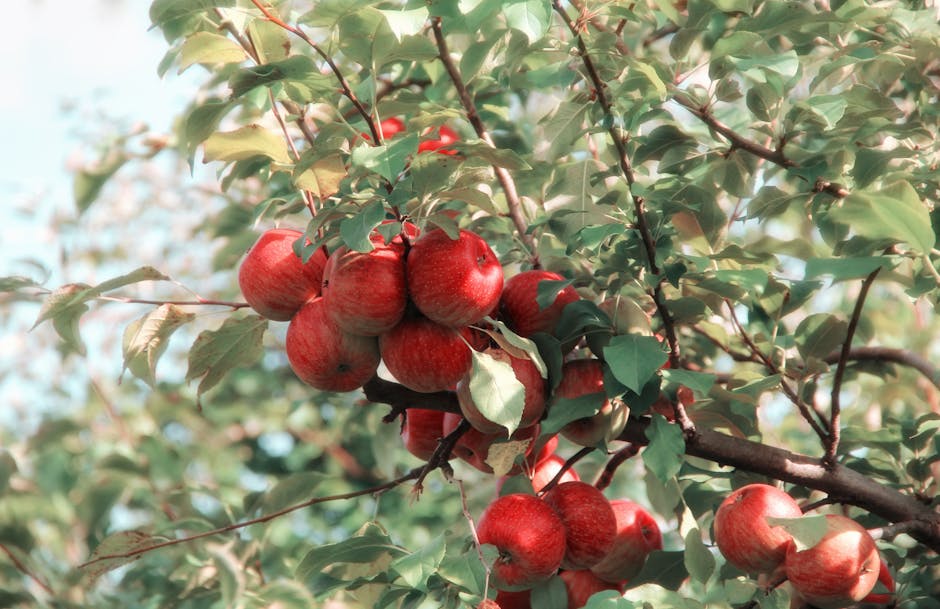
Fruit Tree Optimization: Substrate, Irrigation, Pruning, and Integrated Pest Management
Establishment, water management, specific nutrition, training pruning, and integrated pest control for fruit trees in diverse climates.

Pollinator Gardens: Ecological Principles and Practical Implementation
Master ecological principles and practical strategies for designing gardens that attract and support vital pollinator populations, enhancing biodiversity and garden productivity.
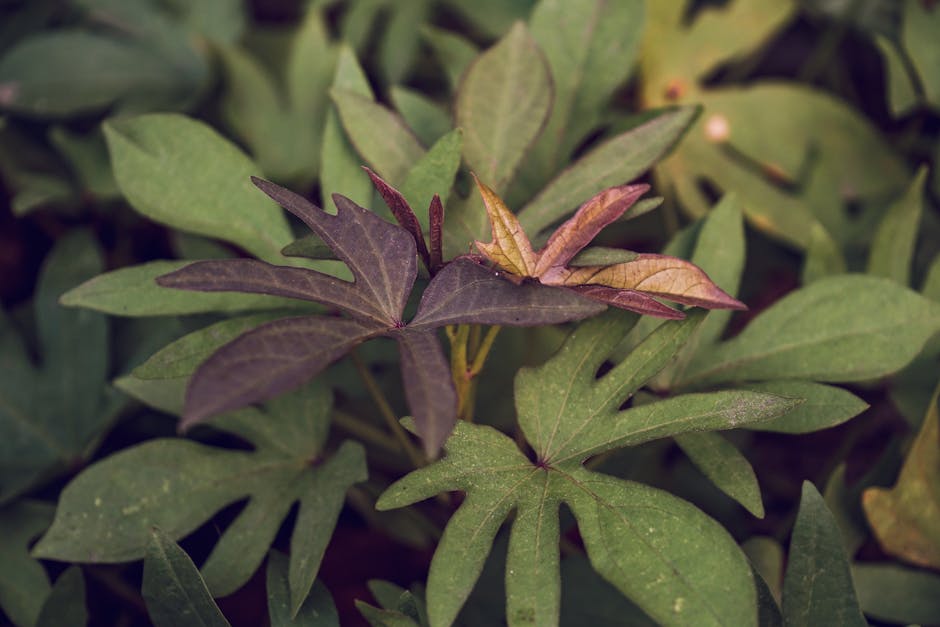
Ipomoea batatas: Edaphoclimatic Requirements and Cultivation Techniques for Sustainable Production
Understand the key factors for successful sweet potato cultivation: climate, soil, propagation, nutrition, and phytosanitary management.