Squash Cultivation: From Soil Preparation to Harvest and Storage
A comprehensive guide to successfully growing squash, covering soil prep, planting, care, harvesting, and storage.

Soil Preparation and Optimal Growing Conditions
Cultivating squash offers one of the most rewarding experiences for any gardener, from beginners to the most seasoned. This versatile fruit, a staple in many regional cuisines, provides not only an abundant harvest but also the satisfaction of nurturing a robust and generous plant. From the classic Acorn squash to varieties like Kabocha or Butternut, its culinary versatility and storability make it an undisputed favorite in home and commercial gardens. Delving into its cultivation opens the door to a cycle of patience and reward, transforming a simple patch of earth into a source of nutritious and delicious food.
A solid foundation is paramount for successful squash cultivation. This cucurbit thrives in soils rich in organic matter, well-drained, and with a slightly acidic to neutral pH (between 6.0 and 7.0). Incorporating mature compost or worm castings before planting is crucial to provide necessary nutrients and improve soil structure. To prepare the ground, it’s recommended to till the soil to a depth of at least 30 centimeters, removing weeds and rocks. For more detailed information on soil preparation, specialized resources such as those found on Infojardín can be consulted.
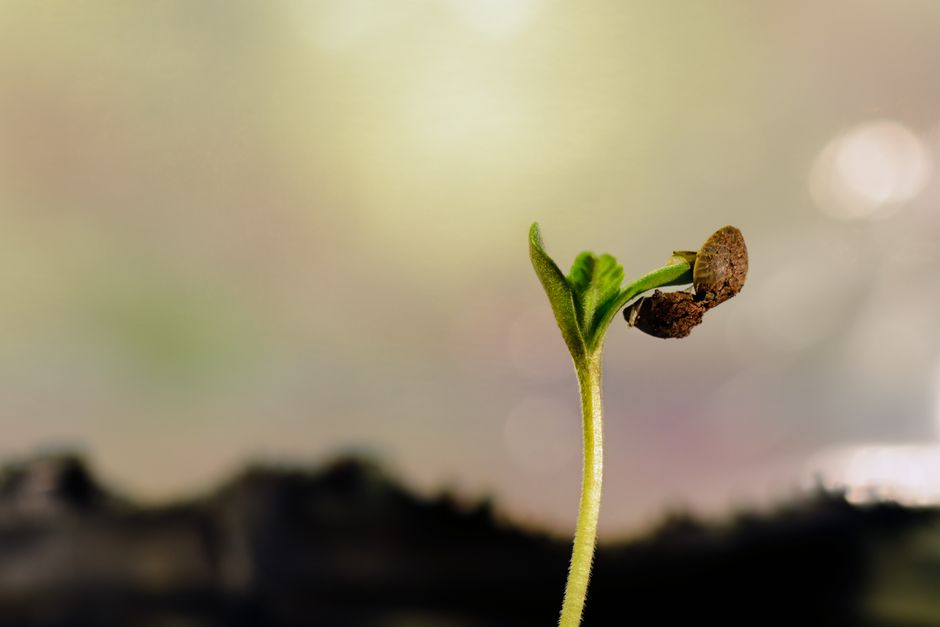
Planting squash in regions like Argentina and similar climates is typically done in late spring, once the risk of frost has completely passed and the soil temperature consistently remains above 18°C (65°F). Seeds are planted directly into the soil at a depth of 2 to 3 centimeters, in mounds or ‘hills’ spaced at least 2 to 3 meters apart, depending on the variety, as squash plants require considerable space to develop. In each mound, 3 to 4 seeds can be sown to ensure germination, thinning to the 1 or 2 most vigorous seedlings once they have developed their first true leaves. Some popular varieties include the Anco squash (Cucurbita moschata), known for its elongated shape and sweet flavor, and the Cabutia squash (Cucurbita maxima ‘Kabocha’), valued for its dense flesh and nutty taste. It is advisable to consult a local planting calendar to optimize timing according to your specific region.
Planting, Varieties, and Spacing
Once established, squash plants demand constant attention for optimal development. Watering is a critical factor; it must be regular and deep, especially during flowering and fruit development. It’s best to water in the early morning, directly at the base of the plant, avoiding excessive wetting of the leaves to prevent fungal diseases. A drip irrigation system can be highly efficient for this purpose, conserving water and delivering moisture directly to the roots.
Regarding nutrition, in addition to initial soil preparation, squash plants benefit from supplemental fertilization during their growth cycle. Applying compost or a balanced organic fertilizer every 3-4 weeks can boost fruit production. The practice of mulching around the base of the plants is highly recommended. It helps retain soil moisture, suppresses weeds, and regulates temperature, creating a favorable microclimate for the roots. To learn more about mulching and its benefits, you can explore articles such as those from La Huertina de Toni.
Integrated pest and disease management is vital. Squash can be susceptible to pests like aphids, whiteflies, or thrips, as well as diseases such as powdery mildew (oidio) and downy mildew. Regular inspection of leaves and stems allows for early detection. For control, organic solutions like potassium soap or neem oil can be employed. Good air circulation and adequate watering minimize the occurrence of fungal diseases. In cases of severe infestation, accurate identification of the pest or disease is the first step toward effective treatment, often involving biological or low-environmental-impact products.
Water and Nutrient Management for Squash Development
Patience is a virtue when harvesting squash. Maturity is indicated when the rind is hard and resistant to thumb pressure, and the stem connecting the fruit to the plant begins to dry and harden. The color of the squash also intensifies, taking on its characteristic hue. It is crucial not to harvest fruits prematurely, as this will affect their flavor and storage potential.
For harvesting, it is recommended to use a sharp cutting tool and leave a piece of stem, at least 5 to 10 centimeters long, attached to the squash. This is essential to prevent pathogens from entering the fruit and to extend its shelf life. Avoiding bumps or bruises during harvest is also important.
Once harvested, squash benefit from a ‘curing’ period of one to two weeks in a warm, sunny location (around 25-30°C or 77-86°F). This process helps to further harden the rind and concentrate sugars, improving flavor and preservation. After curing, squash can be stored in a cool, dry, and well-ventilated place, ideally between 10°C and 15°C (50°F and 59°F). Under these conditions, many varieties can be stored for several months, providing food throughout winter and spring. Periodic inspection of stored fruits allows for the identification and removal of any squash showing signs of deterioration, preventing spread to others. For more information on vegetable storage, INTA offers detailed guides.
Pest and Disease Control, and Harvesting Techniques
Cultivating squash, beyond mere technique, is an invitation to connect with nature’s cycles and enjoy the process. From initial soil preparation to the satisfaction of the harvest, each stage offers lessons and rewards. With proper planning, consistent care, and attention to detail, it is possible to achieve an abundant yield of nutritious and delicious squash that will enrich the family table and the gardener’s spirit. The experience of growing this versatile fruit not only nourishes the body but also the soul, reaffirming the value of self-sufficiency and working the land.
Related Articles

Allelopathic Interaction and Crop Rotation: Synergies for Sustainable Agricultural Ecosystems
Manage allelopathic effects through crop rotation, enhancing positive interactions and mitigating negative ones for resilient and productive gardens.

Cultivating Resilience: Essential Permaculture Strategies for Your Home Garden
Learn essential permaculture techniques to transform your home garden into a resilient, productive, and sustainable ecosystem for abundant harvests.

Family Garden: A Living Laboratory for Environmental Education and Practical Sustainability
The family garden integrates pedagogy and modern horticulture, fostering cognitive skills, natural connection, and sustainable practices.
Argentine Horticultural Calendar: Climate Adaptation and Sustainable Techniques for Success
Align your planting with Argentina's diverse climate. Select species, optimize irrigation, and improve soils for resilient production.