Urban Hydroponics: Efficient Soilless Cultivation for Home Gardens
Understand the principles and essential components of hydroponics for growing fresh food at home, optimizing water and space.
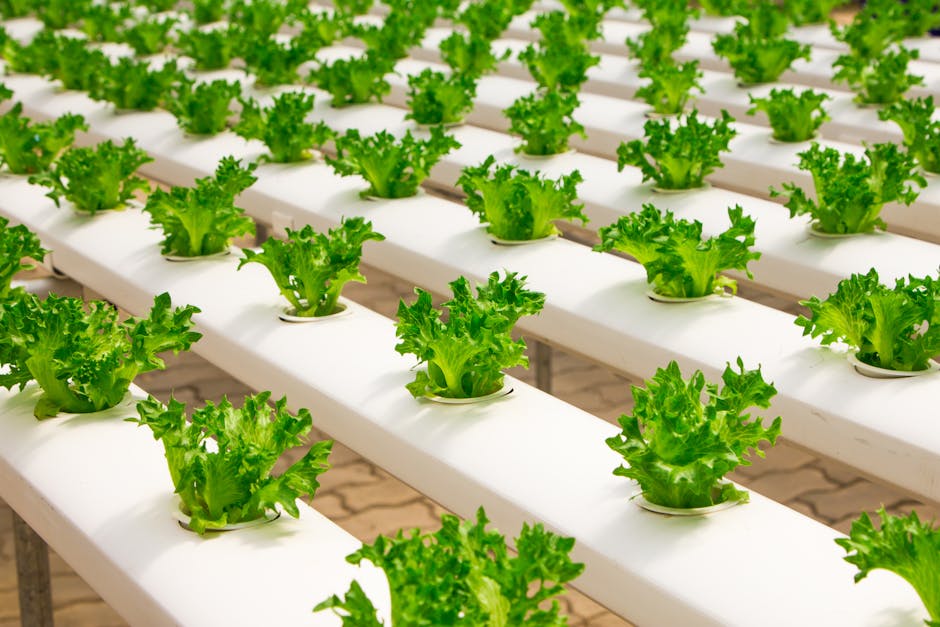
Fundamental Principles of Soilless Hydroponic Cultivation
The pursuit of healthier eating and a connection with nature drives many to explore new ways of growing their own food. In urban environments, where space is often limited and soil quality variable, hydroponic cultivation emerges as a fascinating and efficient alternative. This technique, which allows plants to grow without the need for soil, using a nutrient-rich solution dissolved in water, is gaining traction among hobbyists and horticulture professionals in Argentina and across Latin America.
Hydroponics not only optimizes water and space usage but also offers precise control over the plant’s growing environment, potentially leading to faster and more abundant harvests. For those new to this exciting field, understanding its basic principles and essential components is the first step towards a productive and sustainable home garden.
The Foundations of Hydroponics: Soilless Cultivation
Hydroponics is a cultivation technique where plant roots are directly immersed in a water solution with dissolved minerals, or are supported by an inert substrate that serves only a physical support function, such as rockwool or coco coir. Unlike traditional agriculture, here the soil is not the medium that provides nutrients; instead, these are supplied in a controlled manner through water.
This method presents significant advantages. On one hand, water efficiency is remarkable; hydroponic systems can use up to 90% less water than soil-based crops, as the water is constantly recycled. On the other hand, by eliminating soil, problems associated with soil-borne pests and diseases are drastically reduced, often leading to a lower need for pesticides. Furthermore, the controlled environment promotes faster plant growth and the possibility of multiple harvests per year, even in small spaces like balconies or indoor patios.
Essential Components for Implementing Hydroponic Systems
Essential Components to Start Your Hydroponic System
To embark on hydroponic cultivation, it is fundamental to know the basic elements that make up a system. A large initial investment is not required for a simple setup, ideal for beginners:
- Container or Reservoir: Necessary to hold the nutrient solution. It can be a bucket, a plastic bin, or any opaque container that prevents light entry to inhibit algae growth.
- Water Pump and Aerator (optional): In active systems, a small pump circulates the solution. An aerator, similar to those used in fish tanks, oxygenates the solution, which is vital for root health. For passive systems, like the Kratky method, these are not necessary.
- Inert Substrate: Materials such as rockwool, coco coir, perlite, or expanded clay pebbles (LECA) provide physical support for the plant. They do not contribute nutrients, only stability and moisture retention.
- Nutrient Solution: This is the heart of the system. It is a balanced mixture of essential macro- and micronutrients for plant development, dissolved in water. Specific formulations exist for different growth stages and plant types.
- Lighting: Direct sunlight is ideal. If not possible, full-spectrum LED grow lights are an excellent alternative, allowing cultivation indoors.
- pH and EC Meters: Crucial tools for monitoring the quality of the solution. pH indicates acidity or alkalinity, and EC (Electrical Conductivity) measures nutrient concentration. Maintaining these values within optimal ranges is vital for nutrient absorption.
For a simple start, the Kratky method is ideal. It is a passive system where the plant is suspended over a nutrient solution reservoir without the need for pumps. As the plant grows and consumes water, an air gap forms between the solution’s surface and the plant’s base, allowing the roots to access both nutrients and oxygen. Another option for beginners is DWC (Deep Water Culture), which involves immersing the roots in an aerated solution, typically with an air pump.
Management and Maintenance: Keys to Successful Harvests
Management and Maintenance Parameters for Optimizing Hydroponic Crops
Success in hydroponics lies in constant monitoring and adjustment. Here are some key points:
- pH Control: Most hydroponic plants thrive with a pH between 5.5 and 6.5. Incorrect pH prevents nutrient absorption, even if they are present in the solution. pH meters and adjusting solutions (pH Up and pH Down) are indispensable tools.
- EC Monitoring: Electrical conductivity indicates the amount of dissolved salts (nutrients) in the water. Each plant type has an ideal EC range. Very low EC means a lack of nutrients; very high EC can burn the roots.
- Solution Change: It is recommended to change the nutrient solution every 7 to 14 days. Plants absorb certain nutrients more than others, unbalancing the mixture. Regular changes ensure a fresh and balanced supply.
- Root Oxygenation: Roots need oxygen to respire. In DWC systems, the air pump is fundamental. In passive systems like Kratky, the air gap that forms is crucial.
- Crop Selection: To start, it is advisable to choose short-cycle, easy-to-grow plants, such as lettuce, spinach, chard, basil, parsley, mint, and radishes. These plants adapt well to hydroponic systems and offer quick results, motivating beginners.
- Pruning and Maintenance: Removing old or diseased leaves helps the plant direct its energy towards growth and production. Daily observation of the plants allows for timely detection of any problems.
The hydroponic cultivation opens up a range of possibilities for producing fresh and nutritious food at home, regardless of space or soil limitations. With a modest initial investment and consistent dedication to monitoring and adjusting parameters, anyone can enjoy the benefits of this technology. Experimenting with different systems and crops, starting with the simplest, is the way to master this technique and transform a corner of your home into a source of life and flavor. The satisfaction of harvesting your own vegetables, chemical-free and grown with your own hands, is an unparalleled reward that hydroponics makes accessible to all.
Related Articles

Chia (*Salvia hispanica*) Cultivation: Optimal Conditions, Management, and Post-Harvest
Details environmental, soil, planting, irrigation, nutrition, IPM, and post-harvest conditions to optimize chia yield and quality.

Squash Cultivation: Optimal Soil Preparation, Irrigation, and Phytosanitary Management Methods
Enhance squash cultivation with soil analysis, efficient drip irrigation, and integrated pest management strategies for abundant harvests.
Hail Damage Mitigation in Agriculture: Preventive and Reactive Strategies
Location assessment, resistant cultivar selection, protective netting, and post-event management for agricultural resilience against hailstorms.

Stone Fruit Chill Hours: Physiology, Climate, & Management
Analysis of the physiological role of chill hours in stone fruits, climate change impact, and management techniques for optimizing production.