Urban Container Horticulture: Species Selection and Agronomic Management
Technical guide for growing food in small spaces, covering plant selection, substrates, irrigation, and nutrition.

Design Principles and Container Selection for Urban Horticulture
The transformation of confined spaces into productive edible gardens represents a growing trend in urban environments. From balconies in vibrant Buenos Aires to small patios in various Latin American cities, container horticulture offers a viable solution for those aspiring to grow their own fresh food. This practice not only contributes to food self-sufficiency but also enriches local biodiversity and provides a tangible connection to natural cycles. The ability to control substrate, irrigation, and sun exposure makes containers adaptable micro-ecosystems, ideal for experimenting with a diverse range of plant species.
The successful implementation of a container garden is based on understanding certain essential principles that differ slightly from field agriculture. Container choice is crucial; its size and material directly influence root development and moisture retention. Terracotta pots, for example, allow for better aeration but tend to dry out faster than plastic or fabric grow bags. Adequate drainage is imperative to prevent root suffocation, so each container must have drainage holes for excess water.
The substrate is another determining factor. Unlike garden soil, potting substrates must be lightweight, well-aerated, and possess optimal water and nutrient retention capacity. A common mix includes peat moss, perlite or vermiculite, and organic compost. This combination provides the necessary physical support, oxygenation, and nutrition for plant growth. Supplemental fertilization becomes more relevant in containers, as nutrients leach out more easily than in open-soil cultivation systems.
The diversity of species that thrive in containers is extensive, ranging from herbs and leafy greens to some varieties of fruits and root vegetables. The key lies in selecting plants with compact root systems or those that adapt well to limited substrate volumes.
Substrates and Nutrition in Container Growing Systems
Among herbs, mint (Mentha spicata), rosemary (Salvia rosmarinus), thyme (Thymus vulgaris), and oregano (Origanum vulgare) are excellent choices. These species not only add flavor to cooking but can also act as natural pest repellents. They require good sun exposure and moderate watering.
Leafy greens such as lettuce (Lactuca sativa) in its multiple varieties, spinach (Spinacia oleracea), and Swiss chard (Beta vulgaris var. cicla) are ideal for medium-depth containers. Their relatively short growth cycle allows for frequent harvests. Mizuna and arugula (Eruca vesicaria) also adapt very well to shallow containers.
For those seeking fruiting vegetables, cherry tomatoes (Solanum lycopersicum var. cerasiforme), small peppers (Capsicum annuum), and dwarf or bush varieties of eggplant (Solanum melongena) can be successfully grown in large pots (minimum 5 gallons). They require abundant sun, staking, and more intensive fertilization. Strawberries (Fragaria × ananassa) are another popular option, thriving in hanging or wide-mouthed containers.
Even some root vegetables can be cultivated in deep containers. Short or round varieties of carrots (Daucus carota subsp. sativus) and radishes (Raphanus sativus) are examples of crops that can develop adequately if the substrate is loose and deep.
Diversity of Plant Species Suitable for Containers
It is essential to consider the sun exposure of the balcony or patio. Most vegetables require at least 6 hours of direct sunlight per day for optimal development.
The long-term success of a container garden depends on diligent agronomic management. Irrigation is perhaps the most critical factor. Due to the limited substrate volume, containers tend to dry out more quickly than garden soil. It is essential to monitor substrate moisture daily, especially on hot or windy days. Deep, spaced watering is preferable to frequent, shallow watering, as it stimulates root development. Drip irrigation or self-watering systems can be very efficient for optimizing water consumption and ensuring constant hydration, especially for those with limited time. Detailed information on efficient irrigation systems can be found on platforms like Infojardin (https://www.infojardin.com/riego/sistema-de-riego-por-goteo.htm).
Nutrition is another fundamental pillar. Container crops deplete substrate nutrients more rapidly. Regular incorporation of compost, worm castings, or liquid organic fertilizers is vital. A balanced fertilization program, adapted to the specific needs of each plant and growth stage, will ensure vigorous production.
Integrated pest and disease management is crucial in confined spaces. Regular observation of plants allows for early detection of problems. The use of natural insecticides, such as potassium soap or neem extracts, and the promotion of beneficial insects (if the environment allows) are preferable strategies to synthetic chemicals. Prevention, through good crop hygiene and the selection of resistant varieties, is the best defense. For resources on pest management, La Huertina de Toni offers practical guides (https://lahuertinadebruno.com/plagas-y-enfermedades-del-huerto/).
Agronomic Management: Irrigation, Fertilization, and Pest Control
Finally, pruning and thinning are practices that optimize production. Removing yellowed or damaged leaves and thinning seedlings ensures that resources are directed to healthy fruits and leaves, promoting more robust growth.
The container garden transcends mere gardening; it stands as a statement of sustainability and a source of well-being in the heart of the city. The appropriate selection of species, combined with conscious agronomic management, allows balconies and patios to be transformed into small food production units. This approach not only offers the satisfaction of harvesting your own food but also fosters a greater understanding of natural cycles and the importance of urban biodiversity. Dare to explore the possibilities offered by this exciting world, cultivating not just plants, but also a lifestyle more connected to nature.
Related Articles

Homemade Organic Fertilization: Soil Biochemistry and Nutrient Cycles for Urban Gardens
Maximize plant nutrition with composting, vermicomposting, and homemade liquid amendments for resilient, productive soils.
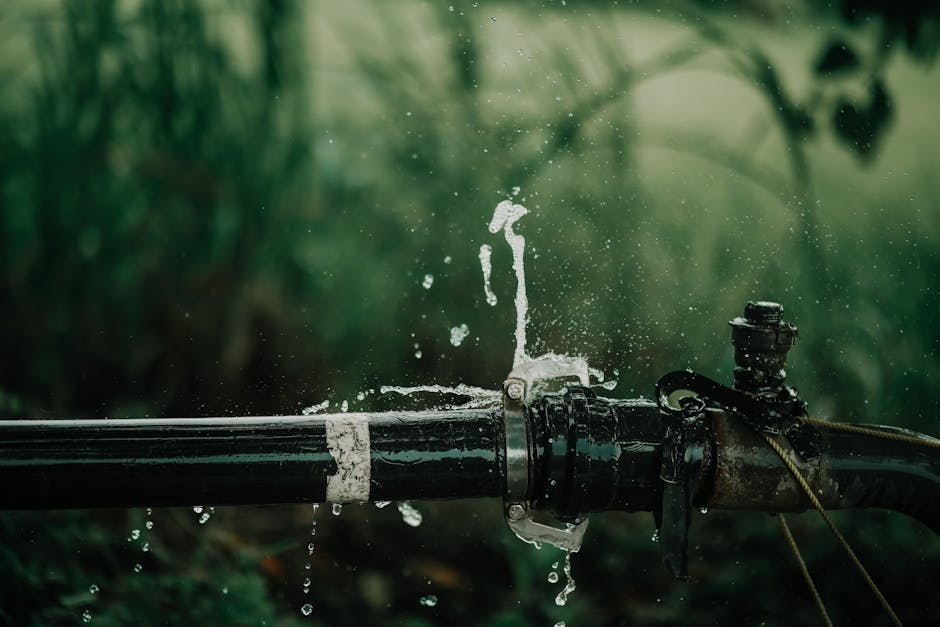
Strategic Water Management to Mitigate Crop Heat Stress
Optimizing irrigation, species selection, and mulching to protect plants during heatwaves, ensuring resilience and sustainability.

Container Potato Cultivation: Growing and Managing Solanum tuberosum in Urban Spaces
A technical guide to growing potatoes in pots: variety selection, soil, watering, and harvesting for urban gardens.

Home Phytoremediation: Air-Purifying Plants and Biophilic Design for Healthy Environments
Integrate greenery into your home to improve indoor air quality. Discover key species and maintenance strategies for effective phytoremediation.