Ipomoea batatas: Botanical Characteristics, Cultivation, and Post-Harvest in Temperate Climates
Master sweet potato (Ipomoea batatas) cultivation: from variety selection and environmental conditions to harvesting and storage techniques.
Ipomoea batatas: Botanical Characteristics and Environmental Requirements
The sweet potato (Ipomoea batatas), a tuber of tropical and subtropical origin, has transcended its role as a staple food to become a versatile and nutritious component in global gastronomy. Its adaptability to diverse climatic conditions and generous production position it as an attractive option for home gardeners and small-scale producers in regions like Argentina. Beyond its sweet flavor and unique texture, the sweet potato is a rich source of vitamins, minerals, and antioxidants, making it a superfood valued for both its culinary properties and health benefits. This article explores the keys to its successful cultivation, from varietal selection to harvesting and storage techniques, providing a comprehensive perspective for those wishing to incorporate this noble crop into their gardens.
Ipomoea batatas: Botanical Characteristics and Optimal Environmental Conditions
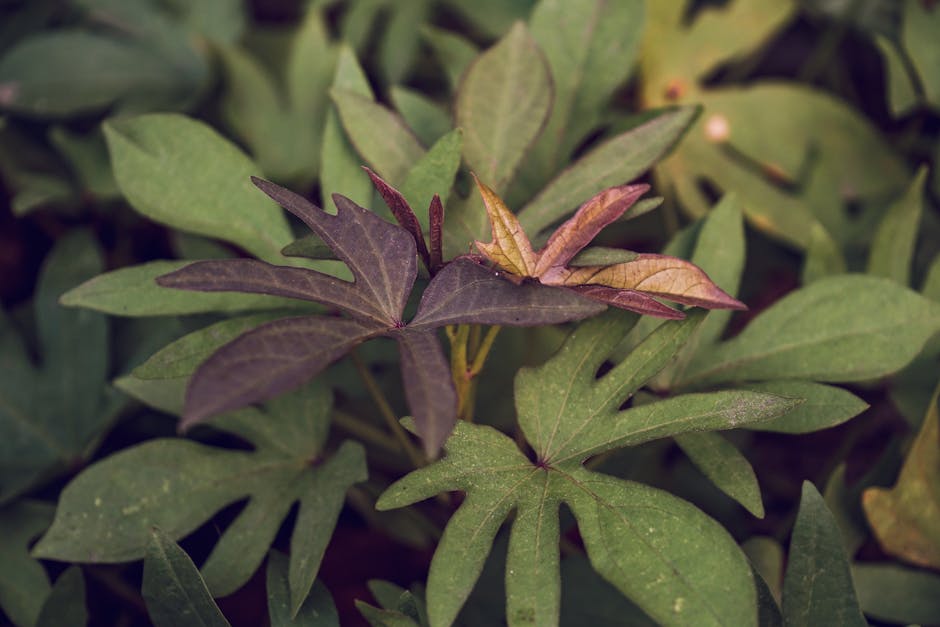
The sweet potato, a member of the Convolvulaceae family, is a perennial herbaceous plant cultivated annually for its edible tuberous roots. It features trailing or semi-erect stems and leaves that vary in shape and size depending on the variety. The genetic diversity of the sweet potato is notable, with cultivars offering a range of skin and flesh colors, from traditional orange to deep purple or creamy white. Variety selection is crucial and should consider adaptation to the local climate, disease resistance, and consumption preferences. In Argentina, varieties such as ‘Criolla’ or ‘Beauregard’ are popular for their good yield and quality.
For optimal development, the sweet potato requires full sun exposure, preferably a minimum of six to eight hours daily. It is a thermophilic plant, meaning it thrives in warm temperatures, with an ideal range between 21°C and 29°C (70°F and 84°F). Frost is detrimental and can halt growth or damage the tubers.
Regarding soil, the sweet potato prefers light, well-drained substrates with a slightly acidic to neutral pH (between 5.5 and 7.0). Sandy or loamy-sandy soils are ideal, as they facilitate root expansion and the formation of regular-shaped tubers, preventing deformities. The presence of organic matter improves soil structure and moisture retention capacity without compromising drainage. Good drainage is vital to prevent root rot.
Vegetative Propagation and Crop Establishment
Propagation Methods and Initial Crop Stages
Sweet potato propagation is primarily done vegetatively, using “cuttings” or “slips” obtained from mature tubers or seedlings. This method ensures the preservation of the mother plant’s genetic characteristics. To start cuttings, healthy sweet potatoes can be placed in a container of water, submerging approximately half the tuber, in a warm, bright location. In a few weeks, stems and roots will sprout. Once the sprouts reach about 15-20 cm (6-8 inches) in length and develop several leaves, they can be cut and rooted in water or directly in a light substrate.
The timing of planting is fundamental. In regions with well-defined seasons, planting occurs after the last frost, when soil temperatures consistently remain above 18°C (64°F). In the Buenos Aires suburbs or similar areas of Argentina, this is typically in late spring or early summer.
Rooted slips are planted at a distance of 30-45 cm (12-18 inches) between plants and 90-120 cm (3-4 feet) between rows, allowing adequate space for vine growth and tuber expansion. It is advisable to plant on raised beds or ridges, especially in heavier soils, to improve drainage and facilitate sweet potato formation. Planting depth should be such that at least two nodes of the slip are buried, from which new roots and tubers will emerge.
Crop Management: Irrigation, Nutrition, and Weed Control
Agronomic Management: Irrigation, Nutrition, and Competition Control
Water management is a critical factor in sweet potato cultivation. While it is a relatively drought-tolerant plant once established, consistent and adequate irrigation is essential for tuber formation and swelling, especially during periods of active growth. It is recommended to keep the soil uniformly moist, but never waterlogged. Excess water can lead to root rot and disease proliferation. In dry climates or during hot summers, drip irrigation is an efficient option that minimizes water waste and directs moisture directly to the root zone. For more information on optimizing irrigation, resources such as those offered by Infojardín [https://www.infojardin.com/] can be consulted.
Regarding nutrition, the sweet potato is not excessively demanding but responds well to potassium-rich soil, which is crucial for tuber development. A prior soil analysis can guide fertilization. Generally, amending with compost or well-decomposed organic matter before planting is recommended. During the growing season, balanced fertilizers with a higher potassium content can be applied, avoiding nitrogen excesses that could promote foliar development at the expense of tubers.
Weed control is vital, especially in the early stages of cultivation, as weeds compete for nutrients, water, and light. Mulching with straw, dry leaves, or wood chips is an effective strategy for suppressing weeds, conserving soil moisture, and moderating temperature. Additionally, sweet potato vines tend to cover the soil once they spread, naturally helping to control weeds. La Huertina de Toni [https://lahuertinadetoni.com/] offers valuable information on mulching techniques and ecological garden management.
Determining Maturity and Post-Harvest Techniques
The sweet potato growing cycle varies by variety and climatic conditions, generally ranging from 90 to 150 days from planting. Indicators of maturity include the yellowing and drying of older leaves and a reduction in the plant’s overall vigor. To verify maturity, one can carefully excavate around a plant to examine tuber size. It is preferable to harvest before the soil gets too cold or before severe frosts, as low temperatures can damage sweet potatoes in the ground.
Determining Maturity and Post-Harvest Practices
Harvesting should be done carefully to avoid damaging the tubers, as the skin is relatively thin and susceptible to bruising. It is recommended to use a digging fork or a blunt-tipped shovel, inserting it at a distance from the plant’s base and gently lifting the soil to expose the sweet potatoes. Once unearthed, it is important to handle them delicately.
After harvest, sweet potatoes benefit from a “curing” process, which enhances their sweetness, extends their shelf life, and heals any superficial wounds. Curing involves keeping the tubers in a warm environment (around 29-32°C or 84-90°F) with high humidity (85-90% RH) for 5 to 10 days. Subsequently, they are stored in a cool (13-16°C or 55-61°F), dark, and well-ventilated place. Avoid refrigeration, as it can alter their flavor and texture. To delve deeper into cultivation practices adapted to the region, INTA (National Agricultural Technology Institute) offers specific resources, such as its publication on sweet potato cultivation in northeastern Argentina [https://inta.gob.ar/documentos/el-cultivo-de-batata-en-el-noreste-argentino].
Cultivating sweet potatoes in the home garden not only offers the satisfaction of harvesting a nutritious and delicious food but also represents a rewarding agronomic practice. By understanding their botanical requirements, implementing appropriate propagation and management techniques, and applying efficient post-harvest care, gardeners can ensure an abundant and high-quality yield. The versatility of sweet potatoes in the kitchen and their health benefits make them a culinary treasure and a valuable addition to any cropping system, promoting self-sufficiency and the enjoyment of fresh, known-origin produce.
Related Articles

Hydroponics: Fundamentals, Systems, and Nutrient Control for Urban Cultivation
Analysis of hydroponic systems, nutrient solution formulation, inert substrates, and pH/EC control for domestic and urban horticulture.

Medicinal Herb Cultivation: Botanical Characteristics and Home Garden Applications
Understand the botanical characteristics and practical cultivation methods for popular medicinal herbs, transforming your home garden into a functional apothecary.
Solanum lycopersicum: Physiological Requirements and Agronomic Management for Optimal Cultivation
Understand the physiological requirements and agronomic management of tomatoes (Solanum lycopersicum) for high-quality yields.

The Family Garden: A Platform for Experiential Learning and Ecological Engagement
Exploring how domestic horticulture serves as a dynamic educational environment, fostering ecological literacy, practical skills, and responsible stewardship.