Vegetative Propagation by Cuttings: Biological Basis and Horticultural Applications
Master vegetative propagation by cuttings, its biological foundations, and practical techniques for horticulture and gardening.

Biological Foundations of Vegetative Propagation by Cuttings
The ability of a plant to generate a new individual from a portion of itself is a fascinating biological phenomenon and an invaluable tool in horticulture and gardening. This process, known as vegetative propagation, allows for the exact replication of a mother plant’s genetic characteristics, ensuring the continuity of desirable varieties. Propagation by cuttings is one of the most accessible and efficient techniques to achieve this goal, offering enthusiasts and professionals the opportunity to expand their crops and preserve species sustainably. From obtaining new aromatic plants on a balcony in Buenos Aires to reproducing ornamental shrubs in a Patagonian garden, mastering this technique opens up a world of possibilities for the cultivator.
The biological basis of propagation by cuttings lies in the totipotency of plant cells, meaning the capacity of a differentiated plant cell to dedifferentiate and then reorganize to form a complete organism. Meristems, tissues with high cell division capacity located at the tips of stems and roots, as well as in axillary buds, play a crucial role in this process. When a cutting is taken, the formation of adventitious roots is stimulated from the parenchymal cells of the stem, which respond to internal and external hormonal stimuli. The advantages of this method are clear: plants identical to the parent are obtained, which is essential for maintaining hybrid varieties or those with specific characteristics that would not be faithfully transmitted through seeds. Furthermore, the development of plants from cuttings is usually faster than that of germinated seedlings, shortening the time to flowering or fruiting.
Selection and Preparation of Plant Material for Cuttings
The proper selection and preparation of plant material are critical steps for success. Cuttings can be of various types: herbaceous (young, flexible stems), semi-woody (stems with some lignification), woody (mature, hard stems), leaf, or root cuttings, depending on the species. The optimal time to take cuttings varies by plant and season, but vigorous, healthy shoots, free from pests or diseases, are generally sought. In the Río de la Plata region, for instance, semi-woody cuttings of many ornamentals are successfully taken in late spring or early summer. It is essential to use clean, sharp cutting tools, such as a sterilized knife or pruning shears, to make clean cuts that minimize tissue damage and prevent pathogen entry. The cut should be oblique, preferably just below a node, where the concentration of natural auxins is higher, promoting root initiation. Lower leaves should be removed to reduce transpiration and prevent them from being submerged in the substrate, which could lead to rot.
Once prepared, cuttings require specific environmental conditions to root. Humidity is a determining factor; a humid environment reduces water stress while the cutting lacks functional roots. This can be achieved through the use of mini-greenhouses, covering cuttings with a plastic bag, or using misting systems. Substrate temperature is also important, with optimal ranges typically between 20 and 25 °C (68-77 °F) for most species, as heat at the base stimulates root growth. Light should be indirect or filtered to avoid overheating and desiccation. In many cases, the application of rooting hormones, containing synthetic auxins, can accelerate and improve the rooting success rate, especially in more recalcitrant species. These hormones are available in powder or gel form and are applied to the cut end of the cutting before inserting it into the substrate. The ideal substrate should be light, well-aerated, with good moisture retention but excellent drainage to prevent suffocation of future roots and fungal proliferation. Mixtures of perlite, vermiculite, coarse sand, or peat are commonly used, alone or in combination. Containers must have adequate drainage holes.
Environmental Conditions and Substrates for Rooting
The rooting period can last from a few weeks to several months, depending on the species. It is crucial to monitor cuttings regularly, checking substrate moisture and the appearance of new roots, which is often detected by the growth of new leaves or resistance when gently tugging the cutting. Once the root system is well-developed, the new plants must undergo a gradual acclimatization or “hardening-off” process before being transplanted to their final location. This involves progressively exposing them to less protected environmental conditions, reducing humidity and increasing light intensity so they adapt to the outdoor environment. Transplanting to larger individual pots or directly into the ground should be done carefully to avoid damaging the fragile roots. After transplanting, initial care includes moderate watering and gentle fertilization, as young plants are sensitive to nutritional excesses. This meticulous process, from selecting the cutting to establishing the new plant, rewards the gardener with the satisfaction of having cultivated life autonomously and efficiently.
Propagation by cuttings is not just a multiplication technique, but also a practice that deepens the cultivator’s connection with the plant life cycle. It is a method that encourages detailed observation, patience, and an understanding of the biological processes that sustain plant life. By mastering this skill, the door is opened to creating more diverse gardens, conserving cherished varieties, and achieving self-sufficiency in growing ornamental and edible species. It is an invitation to explore nature’s regenerative capacity and to actively participate in the growth of our green environment.
Acclimatization and Establishment of New Plants
Related Articles

Chrysanthemum Cultivation Optimization: Substrate, Nutrition, Management, and Sustainability
Advanced techniques for chrysanthemums: substrate, propagation, nutrition, irrigation, and integrated pest control for resilient floriculture.

Carrot Cultivation: Soil Preparation, Varieties, and Modern Agronomic Management
Enhance carrot growing with substrate techniques, varietal selection, and innovative water-nutrient-pest management for home gardens.

Modern Floriography: Floral Symbolism, Design, and Sustainable Cultivation in the 21st Century
Exploring contemporary floriography: symbolism, purposeful arrangement design, and sustainable cultivation for meaningful gardens.
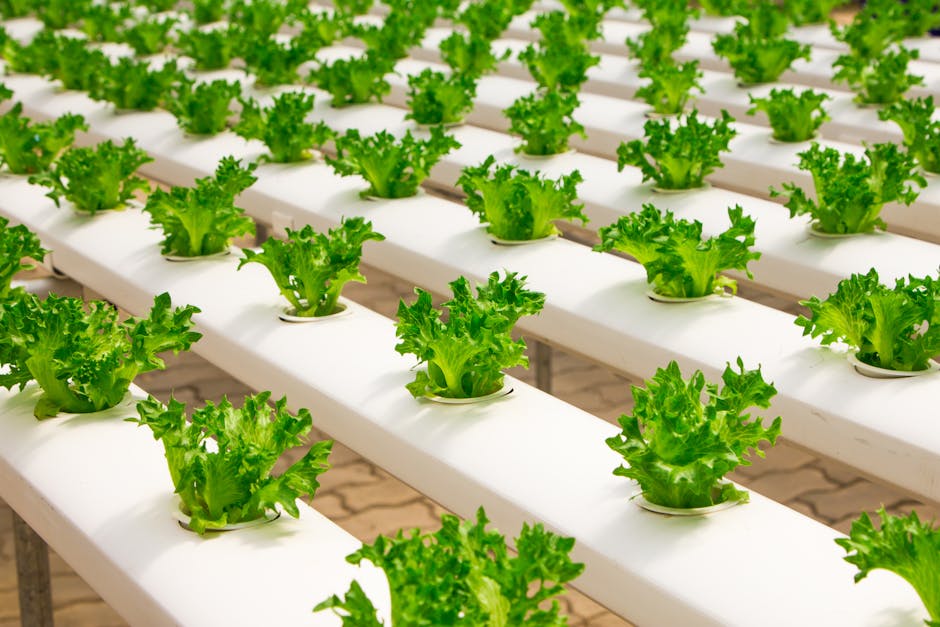
Continuous Lettuce Production: Cultivar Selection, Staggered Sowing, and Environmental Optimization
Strategies for year-round fresh lettuce: cultivars, successive planting, thermal control, and nutrition for productive gardens.