Fragaria × ananassa on Balconies: Variety Selection, Substrates, and Environmental Management
Technical guide for growing strawberries in urban environments, covering variety selection, substrates, irrigation, and fertilization.
Variety Selection and Containers for Strawberry Cultivation
Food production in urban settings has gained prominence, and growing strawberries (Fragaria × ananassa) on balconies represents an accessible opportunity for many. This practice not only beautifies spaces but also offers the gratification of harvesting fresh, nutritious fruit. Understanding botanical and agronomic principles is fundamental to optimizing plant yield and health in limited environments.
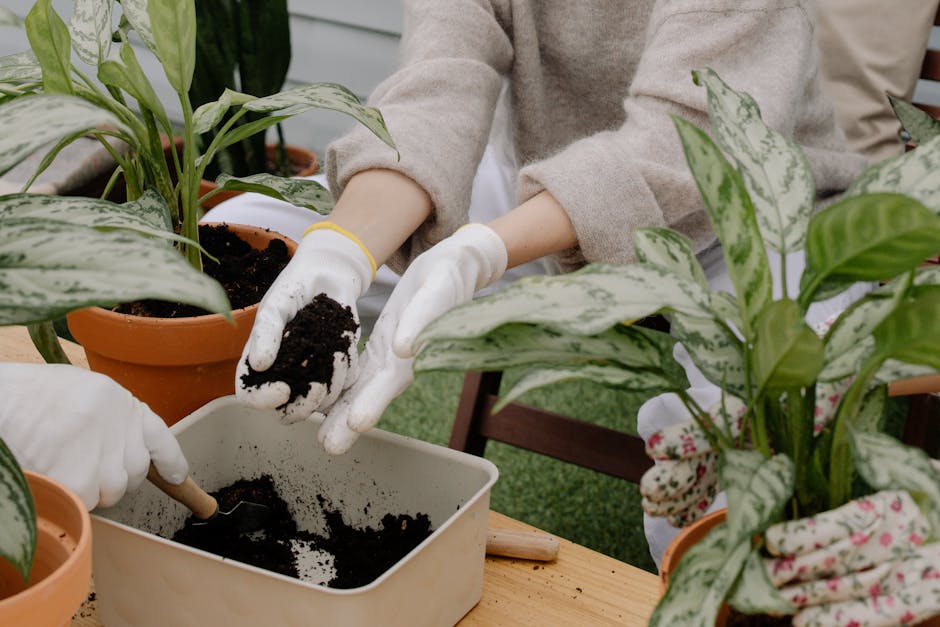
The choice of strawberry variety is crucial for success in containers. Everbearing or day-neutral varieties, such as ‘Albion’, ‘San Andreas’, or ‘Mara des Bois’, are particularly suitable as they fruit continuously over an extended season, unlike short-day varieties that produce a single, concentrated harvest. These varieties adapt better to the temperature and light fluctuations that can occur on a balcony. Regarding containers, depth and volume are determining factors. Pots of at least 20-25 cm in diameter and depth are ideal for a single plant, allowing for adequate root development. Linear planters, grow bags, or vertical gardening systems are also excellent options for maximizing space. The container material (plastic, ceramic, geotextile fabric) influences moisture retention and substrate temperature, with breathable fabric containers being a good choice to prevent excess moisture. It is imperative that all containers have efficient drainage holes to prevent waterlogging, which is detrimental to strawberry roots. The substrate should be light, well-aerated, and rich in organic matter, with a slightly acidic pH (between 5.5 and 6.5). A mixture of peat or coco coir, mature compost, and perlite or vermiculite provides optimal growing conditions. An example of a balanced substrate could be 40% compost, 40% peat/coco coir, and 20% perlite. For more in-depth information on variety selection and their characteristics, you can consult detailed resources on specialized sites like Infojardín, which offers comprehensive guides on growing strawberries in pots: https://www.infojardin.com/plantas/cultivo_fresas_macetas.htm.
Environmental Requirements and Nutritional Management
Strawberry environmental requirements include at least 6 to 8 hours of direct sunlight daily for optimal fruiting. The orientation of the balcony (north-facing in the Southern Hemisphere) is a critical factor to consider. Irrigation should be constant and uniform, keeping the substrate moist but never waterlogged. The frequency will vary depending on ambient temperature, humidity, and container type. On warm summer days, daily watering may be necessary. Implementing a drip irrigation system or using self-watering pots can optimize water supply and reduce evaporation. Fertilization is essential, as nutrients in container substrates are depleted more quickly. It is recommended to apply a balanced NPK (nitrogen, phosphorus, potassium) fertilizer during the vegetative phase and one with a higher potassium content during flowering and fruiting. Vermicompost or compost tea applied every 3-4 weeks are excellent organic options that provide micronutrients and improve soil structure. Crop management involves removing runners if propagation is not desired, as their development consumes energy that could be directed towards fruit production. It is also important to remove dry or damaged leaves to improve aeration and prevent diseases. A valuable resource on organic crop management, applicable to strawberries, is the blog La Huertina de Toni: https://lahuertinadetoni.es/.
Pollination is a fundamental step for fruit formation. Although strawberries are self-fertile, the presence of pollinating insects like bees or bumblebees significantly improves the quantity and quality of the harvest. On balconies where the activity of these insects is limited, manual pollination can be gently performed with a fine brush, transferring pollen from one flower to another or within the same flower. Preventive phytosanitary control is the best strategy against pests and diseases. Regular inspections allow for early detection of aphids, spider mites, or slugs. Biological control methods include applying potassium soap or neem oil for insects and beer traps for slugs. Prevention of fungal diseases like powdery mildew or botrytis is achieved through good ventilation, avoiding excessive leaf moisture, and removing affected plant debris. Adequate sun exposure and proper plant spacing also contribute to an environment less conducive to pathogens. Constant observation and early intervention are key to keeping plants healthy.
Pollination and Preventive Phytosanitary Strategies
Growing strawberries on balconies, while presenting specific challenges of the urban environment, is a highly rewarding practice. Understanding the plant’s requirements, from variety selection to phytosanitary management, enables urban horticulturists to obtain abundant harvests of excellent quality fruit. This experience not only provides fresh food but also fosters a deeper connection with natural cycles and biological processes.
Related Articles

Urban Hydroponics: Advances in Sustainable Food Production and Resource Efficiency
Master hydroponic principles, components, and nutrient solution formulations for efficient, sustainable urban crop production.

Orchidaceae: Diversity, Physiology, and Cultivation Principles for Latin America
Master Orchidaceae diversity, physiological needs, and cultivation practices adapted to Latin American climates.

Urban Hydroponics: Principles, Components, and Management for Efficient Home Cultivation
Understand the fundamentals of hydroponics, its essential components, and management strategies for growing fresh food sustainably in urban environments.
Jabuticaba in Pots: Selection, Management & Fruiting
Optimizing potted jabuticaba cultivation: cultivar selection, substrate, watering, pruning, and pest control for production in small spaces.