Olea europaea L.: Climate, Soil, and Agronomic Management Requirements
Scientific analysis of environmental factors and cultivation practices for the olive tree (Olea europaea L.), optimizing production and quality.

Climate and Soil Requirements of the Olive Tree
The olive tree (Olea europaea L.) stands as an emblem of longevity and resilience, with a history deeply intertwined with Mediterranean civilization. In recent centuries, it has found fertile ground in diverse regions worldwide, including vast areas of Argentina. This ancient tree, revered for its fruit and the precious oil extracted from it, represents not only an agricultural activity of great economic value but also a cultural and landscape cornerstone. Understanding the fundamental principles of its cultivation is essential for those seeking to embark on this noble endeavor, whether on a commercial scale or in more limited ventures.
The optimal adaptation of the olive tree depends significantly on climatic and edaphological conditions. Traditionally associated with Mediterranean climates, this tree requires cold winters for proper floral induction (accumulation of chilling hours, generally between 200 and 1500 hours below 7°C, depending on the variety) and long, warm, dry summers for fruit maturation. It is susceptible to late spring frosts that can damage flowering and fruiting, as well as extreme temperatures below -10°C that can cause severe damage to the wood. Regarding soil, the olive tree demonstrates remarkable hardiness, thriving in a wide range of types, from sandy to clayey. However, it prefers well-drained, deep soils with a balanced texture and a slightly alkaline pH (between 7 and 8). Drought tolerance is one of its most prominent characteristics, thanks to an efficient root system and physiological adaptation mechanisms. Nevertheless, an adequate water supply, especially during critical phases such as flowering and stone hardening, is crucial for maximizing production and quality.
Selection of Plant Material and Planting Design
The establishment of an olive grove begins with the selection of quality plant material and appropriate planting design. The most common propagation method is through rooted semi-hardwood cuttings, which ensure varietal fidelity and rapid development. Varieties are selected based on the climatic zone, disease resistance, and the intended use of the production (oil or table olives). Land preparation is fundamental, including subsoiling to improve drainage and aeration, and organic amendments if the soil requires them. Planting distances vary considerably depending on the cultivation system: from traditional wide spacing (10x10 m) to intensive systems (6x4 m) and super-intensive or hedgerow systems (3.5x1.5 m), which allow for greater mechanization and earlier entry into production. Row orientation, generally north-south, aims to optimize sunlight interception.
Comprehensive agronomic management of the olive tree encompasses key practices such as pruning, irrigation, and nutrition. Pruning is an essential operation with several objectives: shaping the tree in its early years (training pruning), regulating annual production (production pruning), and rejuvenating old trees (renewal pruning). The most common pruning systems include the open vase or monocone, aiming for a structure that facilitates light and air penetration, and harvesting. Although the olive tree is drought-tolerant, irrigation is a determining factor in productivity. Systems like drip irrigation allow for efficient water application, tailored to the crop’s phenological needs, especially during critical phases such as flowering, fruit set, and fruit development. Nutrition management is based on foliar and soil analyses, which help identify deficiencies and allow for precise fertilizer application, prioritizing nitrogen, phosphorus, and potassium, as well as essential micronutrients. A balanced fertilization program is vital for tree health and oil quality.
Agronomic Management: Pruning, Irrigation, and Nutrition
Phytosanitary protection and harvesting constitute the final, decisive stages of the production cycle. The olive tree, like any crop, is susceptible to various pests and diseases. Among the most relevant are the olive fly (Bactrocera oleae), the olive moth (Prays oleae), and diseases such as olive knot (Pseudomonas savastanoi pv. savastanoi) and verticillium wilt (Verticillium dahliae). Implementing integrated pest management (IPM) is crucial, combining monitoring, cultural practices, biological control, and selective chemical treatments to minimize environmental impact and ensure crop health. Harvest is the culmination, and its timing directly influences oil quality. It is carried out when the olives reach optimal ripeness, characterized by veraison (the change in color from green to purple/black). Harvesting can be manual (stripping or beating) or mechanized using shakers or complete harvesters in super-intensive systems. Speed in post-harvest transport and processing is fundamental to preserving the oil’s organoleptic properties.
The cultivation of the olive tree, with its deep historical roots and adaptability, offers a rewarding and sustainable path for the production of an essential food. The application of precise agronomic knowledge, appropriate varietal selection, and conscious management of natural resources are the pillars upon which a prosperous olive grove is built. Continuous research and the adoption of innovative technologies, such as those promoted by INTA in Argentina (see more at https://inta.gob.ar/), will continue to shape the future of this activity, ensuring the production of high-quality oils and the perpetuation of an ancient agricultural legacy. To delve deeper into technical aspects, Infoagro offers valuable resources at https://www.infoagro.com/olivo/.
Phytosanitary Protection and Harvesting Techniques
Related Articles
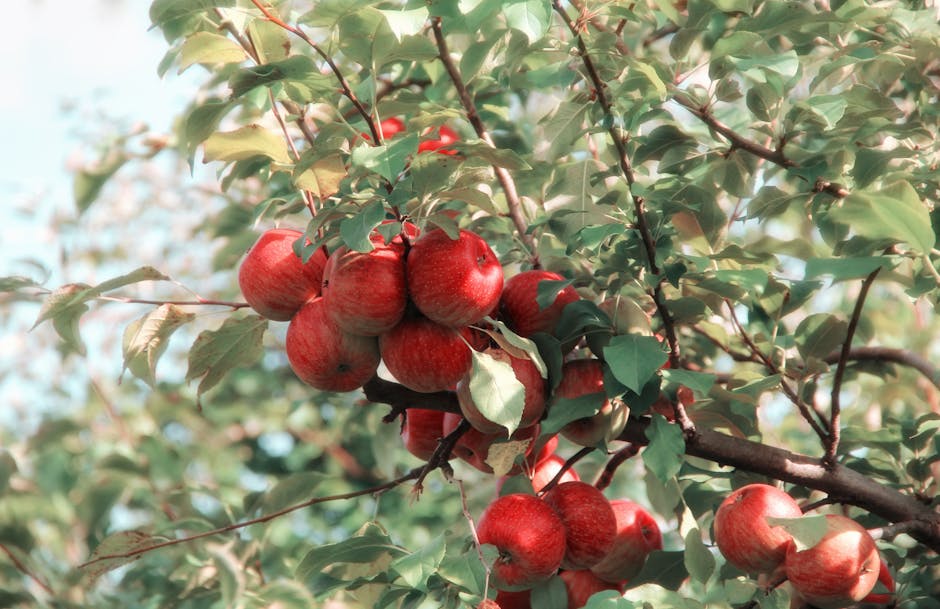
Advances in Fruit Culture: Comprehensive Care and Sustainability of Fruit Trees
Agronomic practices and innovations for fruit tree selection, nutrition, pruning, and health, ensuring vitality and harvests in diverse environments.

Summer Lawn Vitality: Managing Water, Nutrients, and Pests in Warm Climates
Master scientific approaches to maintaining a healthy lawn through summer's challenges, focusing on irrigation, nutrition, and pest management.

Adaptive Gardening Practices for the Heavy Soils of the Depressed Pampas
Managing clay soils, selecting resilient species, and irrigation/nutrition techniques for sustainable gardens in the Depressed Pampas.
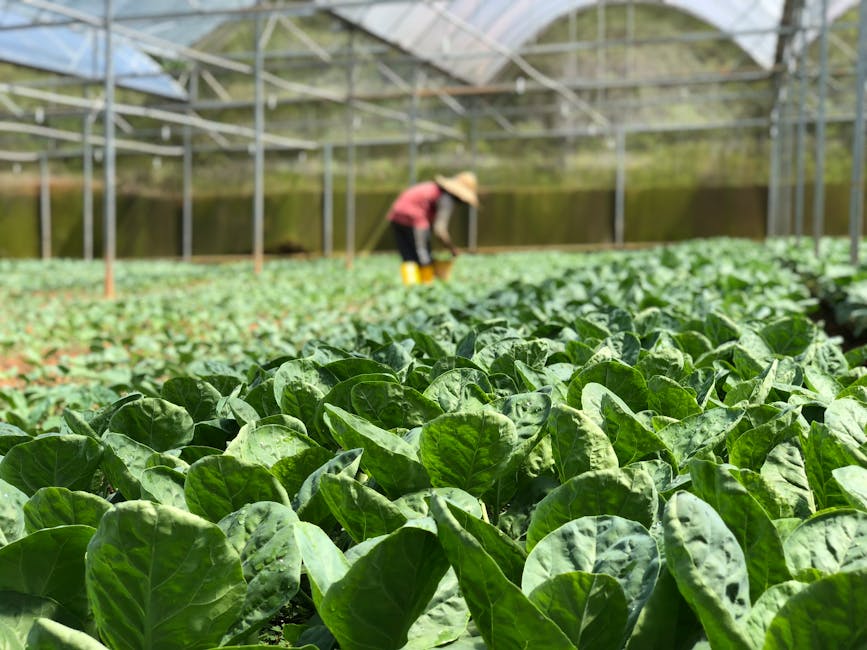
Continuous Lettuce Production: Genotypic Selection, Environmental Control, and Soilless Cultivation
Article details genotypic selection, environmental control, and soilless systems for continuous year-round lettuce production, ensuring consistent harvests.