Integrated Fungal Disease Management: Prevention and Control in Gardening
Effective strategies for preventing and controlling plant fungal diseases using combined biological and cultural methods.

Identifying Fungal Diseases and Favorable Environmental Factors
The coexistence between plants and microorganisms is a constant in any ecosystem, from the vastness of the jungle to the most modest urban balcony. Among these, fungi represent a diverse group, with species ranging from those essential for decomposition and plant nutrition to those that manifest as devastating pathogens. The presence of fungal diseases in crops and gardens is a recurring challenge for horticulturists and gardening enthusiasts, impacting plant vitality and harvest productivity. Understanding the nature of these organisms and the conditions that promote their development is the first step toward establishing effective management strategies to maintain the health of our plant species.
Early detection of a fungal infection is crucial for its control. Manifestations vary widely, but some common signs include leaf spots of various colors (black, brown, yellow), powdery mildew (a whitish coating on leaves), downy mildew (cottony growth on the underside), wilting, stem or root rot, and cankers. For example, rust, common in roses and legumes, is characterized by orange or brown pustules on the underside of leaves. Powdery mildew, frequent in cucurbits and fruit trees, forms a white powder that covers the leaf surface. The etiology of these diseases is intrinsically linked to environmental factors. High relative humidity, lack of ventilation, moderate temperatures, and the presence of free water on foliage for extended periods are optimal conditions for spore germination and mycelial proliferation. Poorly drained soil or overwatering can also create a favorable environment for root fungi, such as Phytophthora or Pythium. Furthermore, the susceptibility of the host plant, determined by its genetics and nutritional status, plays a fundamental role.
Prevention and Cultural Management Strategies for Plant Health
Prevention constitutes the most effective line of defense against fungal diseases. A proactive approach minimizes the need for curative interventions. Selecting disease-resistant or tolerant varieties to local diseases is a smart first step. In Argentina, for instance, choosing tomato or potato cultivars adapted to regional climatic conditions and resistant to Alternaria or Phytophthora infestans can significantly reduce problems. Proper irrigation management is fundamental: watering in the early morning is recommended to allow foliage to dry before nightfall, avoiding overhead watering if possible, or using drip irrigation systems that direct water to the plant’s base. Planting density should be appropriate for each species, ensuring good air circulation between plants and reducing stagnant moisture in the leaf microclimate. Regular pruning of diseased or dead branches and leaves, and the removal of plant debris from the soil, are essential sanitary practices to prevent inoculum buildup. Balanced plant nutrition strengthens their immune system, making them less susceptible to infections. Healthy soil, rich in organic matter and with diverse microbiology, promotes competition with pathogens and improves plant resilience. Crop rotation disrupts the life cycles of soil-specific pathogens.
When prevention is insufficient and fungal disease has already established, control measures are necessary. Biological and organic approaches are the first choice in ecological gardening. Preparations based on horsetail (Equisetum arvense), known for its high silica content, can strengthen plant cell walls, making them more resistant. Baking soda dissolved in water with a little potassium soap is a mild contact fungicide effective against powdery mildew. Neem oil, extracted from the Azadirachta indica tree, possesses antifungal and repellent properties. The use of beneficial microorganisms, such as the fungus Trichoderma harzianum or the bacterium Bacillus subtilis, is a promising strategy; these act as antagonists to pathogens, competing for space and nutrients or producing antimicrobial compounds. Commercial products based on these biological agents are increasingly available in nurseries and specialized stores. For more severe cases or in extensive cultivation, chemical fungicides may be considered, always with caution and strictly following the manufacturer’s instructions regarding dosage, application method, and safety periods. It is essential to correctly identify the pathogen before applying any chemical treatment to ensure its efficacy and prevent fungal resistance. Alternating products with different modes of action is a recommended practice to prevent resistance development. For detailed information on specific fungicides and their application, resources such as those provided by the National Agrifood Health and Quality Service (SENASA) in Argentina (https://www.argentina.gob.ar/senasa) or platforms like Infojardin.com (https://www.infojardin.com/) can be consulted for updated technical sheets and recommendations.
Biological and Chemical Control Methods for Fungal Pathogens
Managing plant fungal diseases is an ongoing process that demands observation, knowledge, and a combination of strategies. From selecting suitable varieties and adjusting cultural practices to implementing specific treatments when necessary, each action contributes to the resilience of the garden or orchard ecosystem. Adopting an integrated approach, prioritizing prevention and biological methods, not only protects the health of our plants but also fosters a healthier and more sustainable environment. Constant vigilance and adaptability are powerful tools in the fight against these microorganisms, ensuring the vitality and beauty of our plant surroundings.
Integrated Approach for Horticultural Ecosystem Resilience
Related Articles

Crop Rotation and Integrated Management for Verticillium Wilt Suppression
Agronomic and complementary strategies to reduce Verticillium spp. incidence through rotation, biofumigation, and biological control.

Rose Powdery Mildew: Management, Strategies & Innovations
Discusses the etiopathogenesis of Podosphaera pannosa in roses, integrating cultural, biological, chemical management, and innovative control approaches.

Seed Conservation: Environmental Factors and Techniques for Germinative Longevity
Enhance your seed viability. Discover how humidity, temperature, and light affect seed longevity and learn drying and storage techniques.
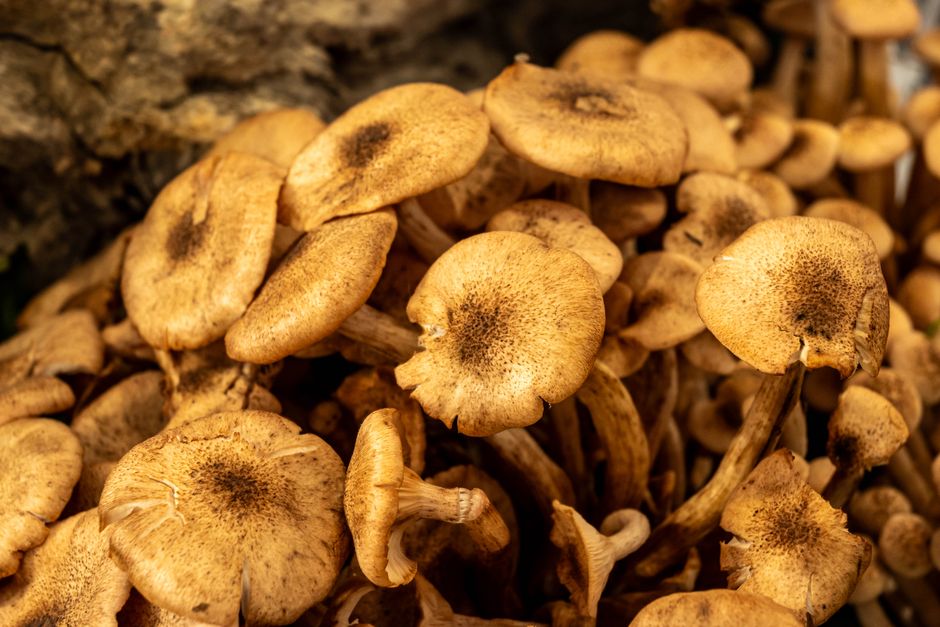
Armillaria mellea: Identification, Management & Biocontrol in Green Ecosystems
Morphological and molecular diagnosis of Armillaria mellea, with cultural management, biocontrol, and soil rehabilitation strategies.