Cucurbita spp.: Agronomic Requirements for Optimizing Yield and Quality
Technical analysis of squash (*Cucurbita spp.*) cultivation, covering varietal selection, soil, irrigation, nutrition, and pest management.

Varietal Selection and Soil Preparation for Cucurbita spp.
The cultivation of squash (Cucurbita spp.) is a rewarding activity for horticulturists across various scales, from home gardens to more extensive productions. This cucurbit, valued for its culinary versatility and nutritional benefits, offers a unique opportunity to connect with natural cycles and obtain fresh food of one’s own origin. Successful squash production demands a detailed understanding of its agronomic requirements, from varietal selection to harvesting and post-harvest practices. Approaching its cultivation with a technical and sustainable focus allows for the optimization of fruit yield and quality, contributing to food security and agroecosystem biodiversity.
The genetic diversity within the Cucurbita genus is vast, encompassing species such as C. maxima (winter squash, pumpkin), C. moschata (butternut squash, crookneck squash), and C. pepo (zucchini, summer squash). The choice of variety is a determining factor, influenced by local climatic conditions, available space for vine development, and culinary preferences. In temperate regions of Argentina, varieties like the “Anco” or “Butternut” squash (C. moschata) and the “Criollo” or “Calabaza” squash (C. maxima) are widely cultivated due to their adaptability and excellent storage capabilities. Soil preparation forms the foundation for vigorous growth. Squashes thrive in deep, well-drained soils rich in organic matter, with an optimal pH ranging between 6.0 and 7.0. Before planting, a soil analysis is recommended to determine nutritional deficiencies and adjust pH if necessary. Incorporating mature compost or vermicompost in generous quantities (approximately 5-10 kg per square meter) significantly improves soil structure, water retention capacity, and nutrient availability for the plants. This practice not only benefits the current crop but also contributes to the long-term health of the garden ecosystem. Ensuring good drainage is crucial to prevent root rot, especially in clay soils, which can be achieved by forming mounds or raised beds.
Planting, Irrigation, and Mulching: Water and Microclimate Management
The optimal time for planting squash in the Southern Cone generally falls in early spring, once the risk of late frosts has passed and the soil temperature remains above 15°C (59°F). Direct seeding is the preferred method, as cucurbits are sensitive to transplanting. Seeds are placed at a depth of 2-3 cm, in clusters of 2-3 seeds per hole, with a spacing of at least 1.5 to 2 meters between holes to allow for ample vine development. Once seedlings emerge and develop their first true leaves, they are thinned, leaving the most vigorous plant at each planting spot. Irrigation is a critical component for crop success. Squashes require a consistent supply of moisture, especially during flowering and fruit development. Drip irrigation systems are highly efficient, minimizing water loss through evaporation and reducing the incidence of foliar diseases by keeping the leaves dry. In the absence of drip irrigation, watering at the base of the plant is recommended, avoiding wetting the foliage. Frequency should be adjusted to climatic conditions and soil type; generally, deep, less frequent watering is more beneficial than shallow, constant watering. Applying a layer of organic mulch, such as straw, shredded pruning debris, or wood chips, around the plants is a highly recommended practice. Mulching conserves soil moisture, suppresses weed growth, moderates soil temperature, and contributes organic matter as it decomposes. For more information on efficient irrigation techniques, specialized resources in sustainable horticulture can be consulted, such as those offered by La Huertina de Toni (opens in new tab).
Adequate nutrition is essential for the development of large, high-quality fruits. During the early growth stages, squash plants benefit from a balanced fertilizer, with an emphasis on nitrogen for vegetative development. As the plant enters flowering and fruiting, the demand for phosphorus and potassium increases. These nutrients are crucial for flower formation, fruit set, and fruit maturation. The use of organic fertilizers such as nettle purine or compost tea, applied foliarly or to the roots, can effectively supplement nutritional needs. Phytosanitary protection relies on constant observation and the application of integrated pest management (IPM) principles. Common pests include aphids, red spider mites, and whiteflies, while diseases like downy mildew and powdery mildew can affect the foliage. Crop rotation, promoting natural enemies, using chromatic traps, and applying organic products like neem oil or garlic and chili extracts are effective strategies for controlling these threats without resorting to synthetic chemicals. Harvesting squash is a crucial moment to ensure its quality and storage potential. Indicators of maturity vary by species and variety, but generally include the hardness of the rind (which should resist fingernail pressure), a change to a deep, uniform color, and the drying of the peduncle (the stem connecting the fruit to the plant). It is essential to harvest fruits with a portion of the peduncle intact (about 5-10 cm) to prevent pathogen entry and extend their shelf life. After harvest, squashes benefit from a “curing” period in a warm, well-ventilated place for 10 to 14 days. This process hardens the rind and improves storage capacity, allowing the fruits to be enjoyed for several months. For additional details on cucurbit care, Infojardín (opens in new tab) offers an extensive knowledge base.
Squash Nutrition, Pest Protection, and Harvest
Squash cultivation is an experience that transcends mere food production, offering a deep connection with the earth and the principles of sustainable horticulture. By understanding and applying appropriate techniques for varietal selection, soil preparation, water management, nutrition, and pest protection, growers can achieve abundant, high-quality harvests. Patience and observation are tools as valuable as any gardening implement, allowing for the adaptation of practices to the specific needs of each plant and environmental conditions. Adopting a holistic approach to squash cultivation not only ensures delicious and nutritious fruits but also enriches the biodiversity of the garden ecosystem and fosters a more harmonious relationship with the natural environment.
Related Articles
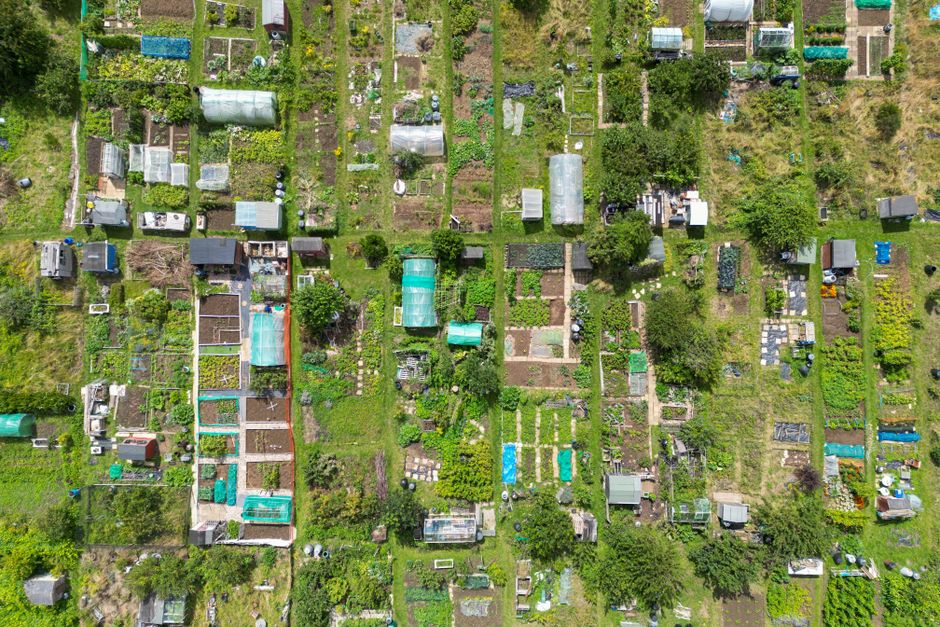
Permaculture Design: Ecological Integration for Resilient Home Food Systems
Exploring permaculture principles and their application in home gardens for enhanced sustainability, productivity, and ecosystem health.
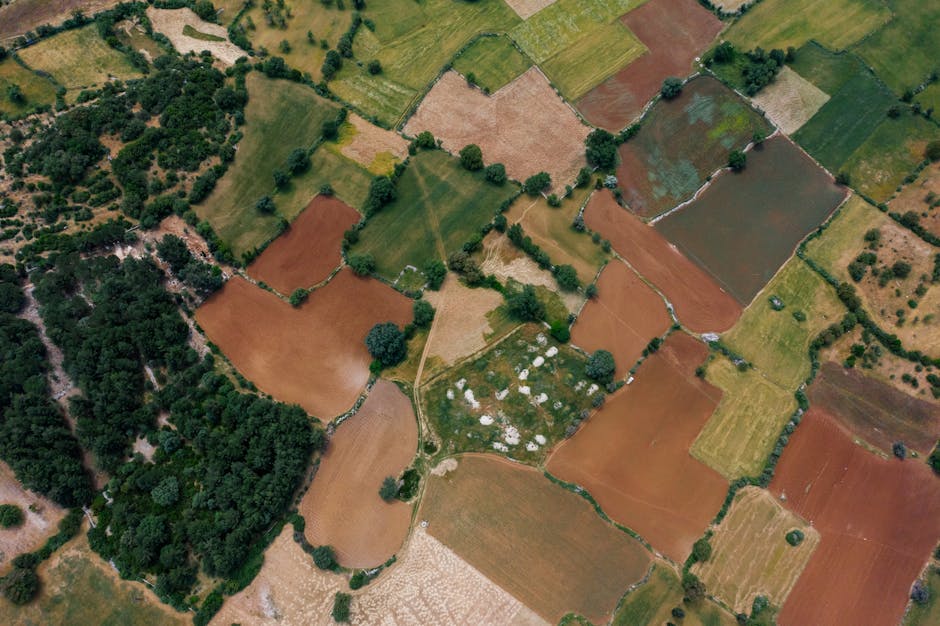
Crop Rotation: A Phytosanitary Strategy Against Clubroot
Implementing crop rotation as an effective method to suppress Plasmodiophora brassicae, enhancing soil health and horticultural resilience.

Chia (*Salvia hispanica*) Cultivation: Optimal Conditions, Management, and Post-Harvest
Details environmental, soil, planting, irrigation, nutrition, IPM, and post-harvest conditions to optimize chia yield and quality.
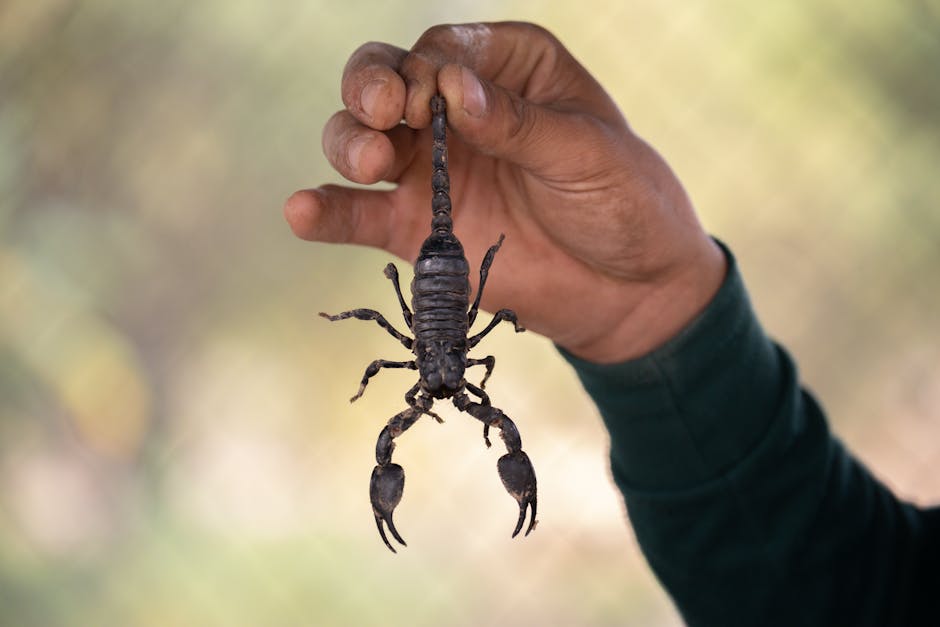
Integrated Management of Ceratitis capitata: Biology, Monitoring, and Control in Fruit Cultivation
Integrated pest management strategies for Ceratitis capitata, covering its life cycle, monitoring, and control techniques.