Permaculture: Designing Sustainable Gardens for Urban and Peri-Urban Environments
Permaculture principles for designing and managing resilient home gardens, focusing on soil, water, and biodiversity in Latin America.

Permaculture Design and Observation Principles for Home Gardens
Permaculture, an ecological design system aiming to create sustainable and ethical agricultural ecosystems, offers an invaluable framework for planning and managing home gardens. Its application goes beyond mere gardening, proposing a harmonious integration between human activity and natural cycles, resulting in productive, resilient, and low-maintenance systems. In the context of cities and their peripheries in Argentina and Latin America, where space is often limited and resources are highly valued, permaculture techniques present an effective solution for fostering food sovereignty and a connection with the natural environment.
The design of a garden based on permaculture principles begins with a phase of meticulous observation. Before any intervention, it is crucial to analyze the site: solar exposure throughout the day and seasons, wind patterns, topography, and water drainage. This information allows for the strategic establishment of zones and sectors. Zones are defined by the frequency of visits and the intensity of work required; Zone 1, for example, would encompass plants for daily use and high attention, while Zone 5 would be designated for wild or minimally intervened areas. Sector analysis, on the other hand, considers external elements such as the sun, prevailing winds, water sources, and views, to optimize the placement of each garden component, from planting beds to fruit trees. Conscious planning, which considers the interaction between each element, is the foundation for a productive and durable system.
Enhancing Soil Health Through Mulching and Composting
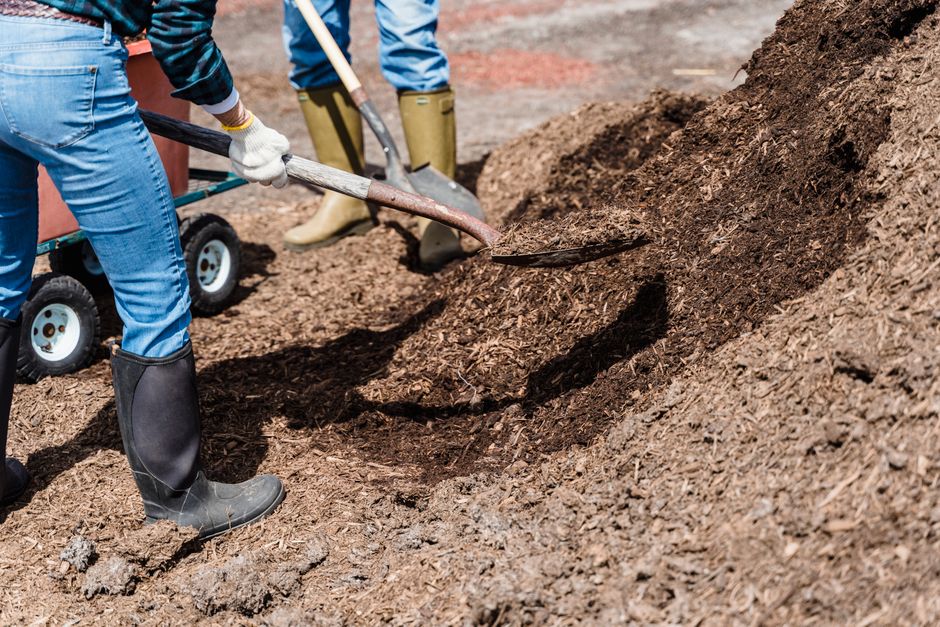
Soil health is the cornerstone of any permaculture system. The implementation of techniques like mulching is essential. This process involves covering the soil surface with organic materials such as straw, dry leaves, shredded pruning waste, or wood chips. Mulching not only conserves soil moisture, reducing the need for irrigation, but also suppresses weed growth, moderates soil temperature, and, as it decomposes, adds organic matter that improves soil structure and fertility. Complementarily, home composting transforms organic waste from the kitchen and garden into a valuable fertilizer rich in nutrients and beneficial microorganisms. Biodiversity is enhanced through crop association and the creation of polycultures, where diverse plant species, such as corn, squash, and beans, are grown together, mutually benefiting by repelling pests, attracting pollinators, and fixing atmospheric nitrogen, as is the case with legumes. The inclusion of aromatic plants and flowers in garden beds not only beautifies the space but also fulfills a crucial ecological function by attracting beneficial insects and pollinating fruit and horticultural plants.
Efficient water management is another fundamental principle. Rainwater harvesting, through simple collection systems in tanks or barrels connected to rooftops, provides a vital and free resource, reducing reliance on public supply. For distribution, drip irrigation is a highly efficient technique, delivering water directly to the plant’s root zone, minimizing evaporation and waste. Choosing plant species adapted to the local climate, including native flora of the region, significantly reduces the garden’s water requirements and promotes local biodiversity. These plants, already acclimatized to the edaphoclimatic conditions, are typically more resistant to pests and diseases, reducing the need for external interventions and the use of inputs.
Water Management Strategies and Species Selection
Adopting permaculture principles in the home garden is not merely a choice of techniques but a philosophy that promotes resilience, productivity, and sustainability. By observing, designing, and working in harmony with natural patterns, gardeners can create systems that not only produce fresh and healthy food but also regenerate soil, conserve water, and foster biodiversity. This holistic approach transforms the garden into a dynamic ecosystem and a space for continuous learning, contributing to a more sustainable and nature-connected future.
Integrating Permaculture for Horticultural Ecosystem Resilience
Related Articles
Soil Water Conservation: Mulch & Physical Mechanisms
Examines physical principles of mulching, categorizes organic and inorganic materials, and details application strategies for maximizing water retention.

Seed Viability: Critical Factors, Advanced Storage, and Climate Resilience
Seed preservation: optimize viability with drying, refrigeration, and monitoring. Secure your genetic heritage.

Low-Maintenance Gardens: Native Species Selection and Sustainable Design Techniques
Design vibrant gardens with minimal intervention by choosing native species and applying efficient watering and soil techniques.

Children's Gardening: Designing Interactive Green Spaces and Sustainable Cultivation Methods
Playful integration of children in cultivation: green space design, organic techniques, and biodiversity promotion for environmental education.