Home Garden: Nutrition, Wellbeing, and Environmental Sustainability
Understand the nutritional, psychological, and ecological benefits of establishing a home garden for a healthier, more sustainable life.

Nutritional Benefits and Crop Control in Home Gardens
The connection with the earth and natural cycles has been a constant throughout human history. Today, with the accelerated pace of urban life and growing concerns about food origins, establishing a home garden is emerging as a practice with multiple beneficial dimensions. Beyond a simple hobby, it represents an investment in well-being, sustainability, and self-sufficiency, transforming everyday spaces into productive micro-ecosystems.
The production of food at the domestic level offers a significant nutritional advantage. By harvesting vegetables and fruits directly from the garden, you ensure a freshness rarely found in commercial products, which translates into greater retention of vitamins, minerals, and antioxidants. Furthermore, a home garden allows complete control over cultivation methods, facilitating the adoption of agroecological practices that exclude the use of synthetic pesticides and chemical fertilizers. This ensures that the food consumed is free from harmful residues, promoting a healthier and safer diet for the entire family. The diversity of species that can be grown at home, from herbs like oregano and mint to leafy greens and fruits like tomatoes or peppers, encourages the exploration of new varieties and respect for seasonality, enriching the culinary experience and the intake of varied nutrients. A focus on varieties adapted to local climates, such as zucchini or Swiss chard, optimizes yield and resistance to local conditions. For those interested in delving deeper into crop nutrition, the National Agricultural Technology Institute (INTA) offers valuable resources on its official portal, providing guidelines for proper soil and essential nutrient management.
Psychological Impact and Environmental Sustainability of Home Cultivation
Cultivating a home garden transcends the food realm to positively impact psychological well-being and the environment. Gardening is an activity that fosters mindfulness, reducing stress and anxiety levels. Contact with the soil, observing plant growth, and engaging in manual tasks provide an escape from daily pressures, improving mood and concentration. This connection with nature, even in an urban setting, contributes to a sense of calm and purpose. From an environmental perspective, a domestic garden is a fundamental ally for sustainability. It contributes to reducing the carbon footprint by eliminating the need for long-distance food transportation. Likewise, managing organic waste through home composting, transforming food scraps and pruning into compost, closes the nutrient cycle and enriches the soil naturally, reducing the amount of waste sent to landfills. This process, which produces the well-known “black gold,” is essential for soil health and crop vitality. The presence of diverse plants also promotes local biodiversity, attracting pollinators like bees and butterflies, which are vital for ecological balance. La Huertina de Toni, a renowned horticulture blog, offers practical guides on how to start a home composter, facilitating the implementation of this practice.
Beyond individual benefits, the home garden holds considerable pedagogical and social value. It represents an invaluable educational tool for children and adults, allowing for a practical understanding of life cycles, the importance of water and sunlight, and the origin of food. It is an experience that teaches patience, responsibility, and the value of manual labor. In the community sphere, urban and domestic gardens can foster social interaction, the exchange of seeds and knowledge, and even the distribution of surplus produce among neighbors. This practice strengthens community ties and promotes a culture of collaboration. The adaptability of domestic cultivation is remarkable: it is possible to establish a productive garden in small spaces, such as balconies or terraces, using pots, growing boxes, or vertical systems. Selecting species suitable for container gardening, such as lettuce, radishes, or certain cherry tomato varieties, is key to success in these environments. Platforms like Infojardín provide extensive databases on cultivation requirements for various species, adapting to different space and climate conditions.
Adaptability of the Garden to Reduced Spaces and Available Resources
In summary, implementing a home garden is a decision that positively impacts multiple spheres of life. From improving the nutritional quality of the diet and reducing exposure to agrochemicals, to fostering mental well-being and contributing to environmental sustainability, the benefits are tangible and far-reaching. It is a practice that empowers individuals, connects them with nature, and promotes a more conscious and healthy lifestyle. Starting or expanding a home garden is investing in a greener, more nutritious future, both for the individual and the community.
Related Articles
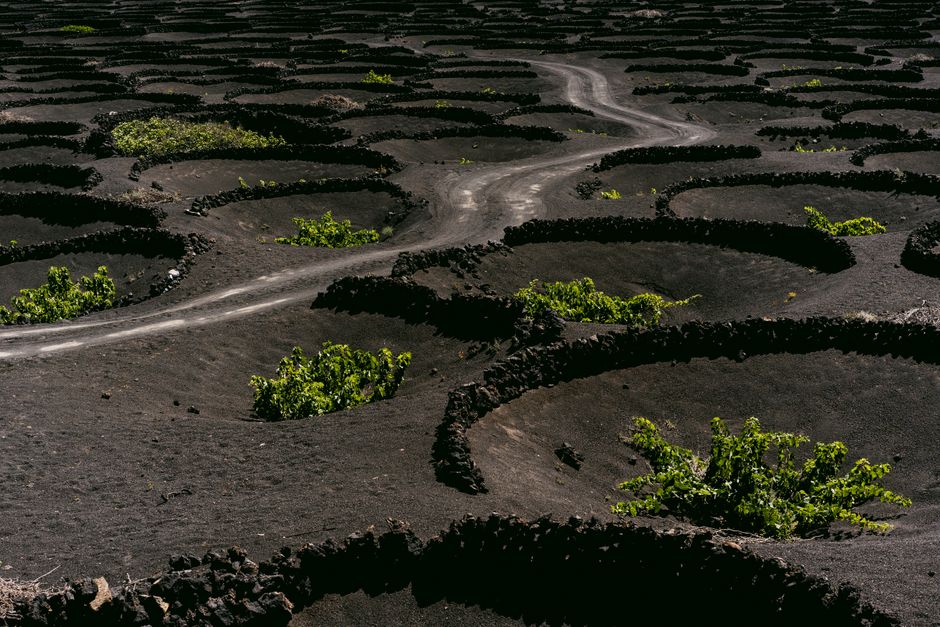
Agroecological Management on Ometepe's Volcanic Soils: Climate, Crops, and Sustainability
Adapting tropical and horticultural crops to Ometepe's volcanic soils, focusing on agroecology, water conservation, and biological control.

Quinoa in Argentina: Adaptation, Cultivation, and Productive Potential
Exploring quinoa cultivation in Argentina: its agroecological adaptation, agronomic practices, and socioeconomic potential.

Urban Container Gardening: Selection, Substrates, and Sustainable Management
Optimize vegetable production in pots with suitable substrates, efficient irrigation, and organic pest control for urban sustainability.

Home Greenhouses: Design, Materials, and Environmental Management for Controlled Cultivation
Enhance home horticulture with DIY greenhouses: design, material selection, and environmental management for year-round growing.