Container Horticulture: Substrate, Species, and Management for Urban Spaces
Enhance urban container gardening: learn about substrates, adapted species, and management techniques for balcony and terrace gardens.

Selecting Containers and Substrates for Urban Horticulture
The expansion of cities and a growing awareness of healthy eating have fueled a renewed interest in horticulture within confined spaces. Growing food in containers allows city dwellers to transform balconies, terraces, and small patios into sources of fresh, organic produce. This practice not only contributes to food self-sufficiency to varying degrees but also offers a revitalizing connection with nature and a deeper understanding of plant biological cycles. Spatial limitations become an opportunity for creativity and detailed planning, making gardening accessible to a broader audience.
The optimization of container cultivation begins with the appropriate selection of its constituent elements. The choice of the right container is the first critical step: its material (terracotta, recycled plastic, geotextile fabric) influences moisture retention and substrate aeration. It is essential that each pot has sufficient drainage holes to prevent waterlogging and subsequent root rot. The container size should be proportional to the root system of the species to be cultivated; for example, deep-rooted vegetables like carrots require pots at least 30 cm deep, while aromatic herbs thrive in shallower containers. The substrate, meanwhile, should be a light, well-aerated mix with good water and nutrient retention capacity. Compositions including peat, coco coir, perlite, vermiculite, and mature compost are ideal, as they promote healthy root development and provide initial nutrients. For a deeper understanding of substrate selection and its properties, one can consult specialized resources such as those available on Infojardín.
Finally, the placement of containers should ensure a minimum of six hours of direct sunlight for most fruiting vegetables, although leafy greens can tolerate partial shade conditions.
Diversity of Plant Species Suitable for Container Cultivation
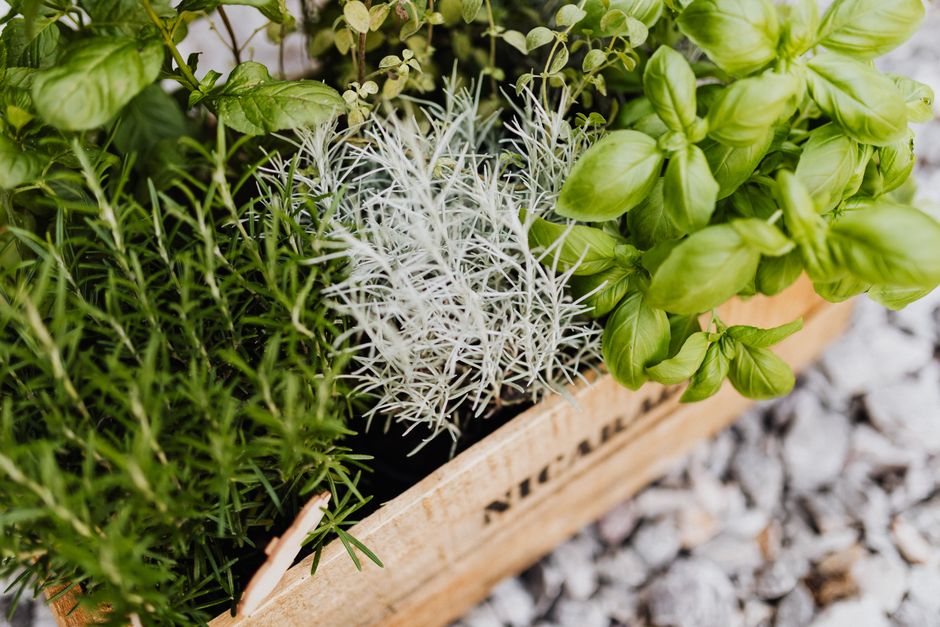
A variety of plant species thrive in container systems, offering options for different experience levels and environmental conditions. Among aromatic herbs, basil (Ocimum basilicum), mint (Mentha sp.), rosemary (Rosmarinus officinalis), oregano (Origanum vulgare), and parsley (Petroselinum crispum) are popular choices due to their minimal requirements and culinary value. These plants not only beautify the space but can also act as natural repellents for some pests.
Leafy greens, such as lettuce (Lactuca sativa), spinach (Spinacia oleracea), Swiss chard (Beta vulgaris var. cicla), and arugula (Eruca sativa), are ideal due to their short growth cycles and the possibility of staggered harvests, which allows for a continuous supply of fresh leaves. For those seeking fruiting vegetables, dwarf or compact varieties of cherry tomatoes (Solanum lycopersicum ‘Minibel’ or ‘Tiny Tim’), peppers (Capsicum annuum), and chili peppers (Capsicum frutescens) are excellent options, although they demand good sun exposure and, at times, staking for support. Strawberries (Fragaria x ananassa) also adapt remarkably well to hanging baskets or wide pots, producing sweet fruits and spreading via runners. Even some legumes, such as bush or dwarf varieties of peas (Pisum sativum) and green beans (Phaseolus vulgaris), can be successfully cultivated, provided they are given adequate support. To explore more options for plants suitable for container gardening, La Huertina de Toni offers a detailed guide at La Huertina de Toni.
Management and Maintenance of Container Gardens in Urban Environments
The management and maintenance of a container garden in an urban setting differ in certain aspects from in-ground cultivation. Watering is a critical factor; the soil in containers tends to dry out faster than in the ground, so watering frequency needs to be higher and adjusted to climatic conditions and the specific needs of each plant. Deep, less frequent watering is preferable to constant shallow watering, always avoiding waterlogging.
Nutrition is also fundamental: since nutrients leach more easily in container systems, it is necessary to apply liquid organic fertilizers or mature compost regularly. Pruning, both for shaping and sanitation, stimulates the production of fruits and leaves and maintains the overall health of the plant. Integrated pest and disease management relies on constant observation and the application of preventive methods, such as using potassium soap or neem oil, and promoting biodiversity with aromatic plants that repel insects. Finally, periodic renewal of the substrate or transplanting to a larger container is crucial for maintaining the long-term vitality of the plants.
Container horticulture is a rewarding activity that transcends mere food production. It represents a connection with nature, continuous learning about life cycles, and a contribution to a more sustainable lifestyle. With adequate planning and constant attention, any space, no matter how small, can be transformed into a thriving productive micro-ecosystem, providing not only food but also well-being and a touch of green in the urban environment.
Related Articles

Cultivation and Conservation of Aromatic Herbs: Environmental Factors, Propagation, and Agronomic Management
Enhance aromatic herb cultivation: from light conditions and substrates to pruning, nutrition, and effective conservation methods.
Raised Bed Sweet Potato Farming: Design, Management, Sustainability
Details the construction, substrates, variety selection, and sustainable agronomic practices to maximize sweet potato production in raised beds.

Sweet Potato Cultivation Optimization: From Substrate to Post-Harvest Storage
Implementing advanced techniques in soil, propagation, irrigation, nutrition, and curing to maximize sweet potato yield and sustainability.
Aromatic Herb Cultivation: Selection, Management, and Preservation for Modern Cuisine
Strategies for selecting, growing, and preserving fresh aromatic herbs, optimizing flavor and sustainability in your garden.